

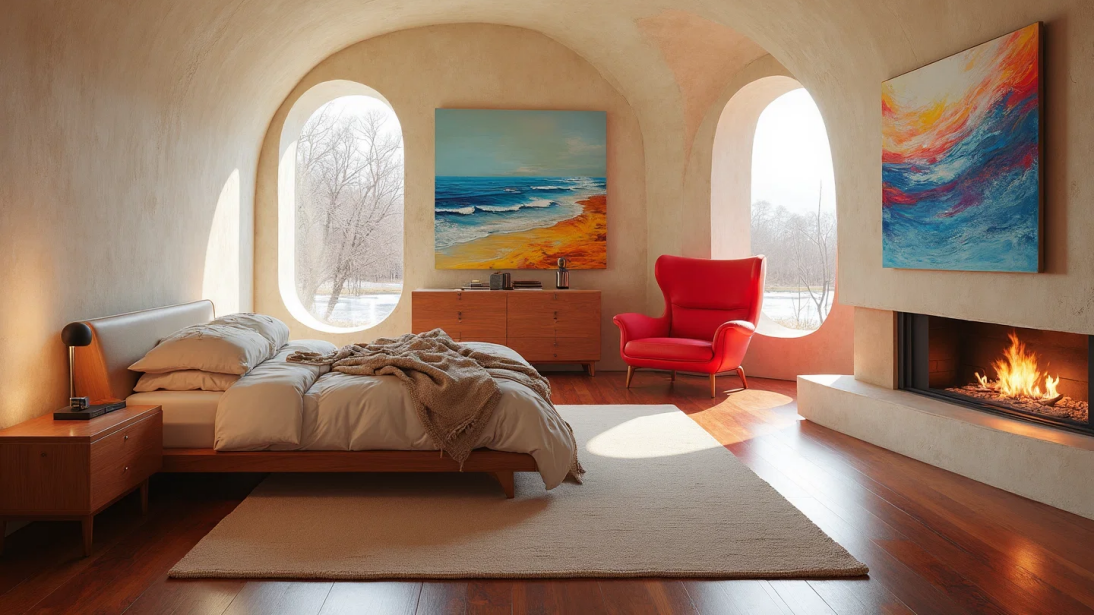
Comfort Meets Style
Picking the right flooring for your bedroom can make a big difference in how it looks and feels. You want something comfy, easy to clean, and nice to look at. There are many options to choose from, each with its own good points.
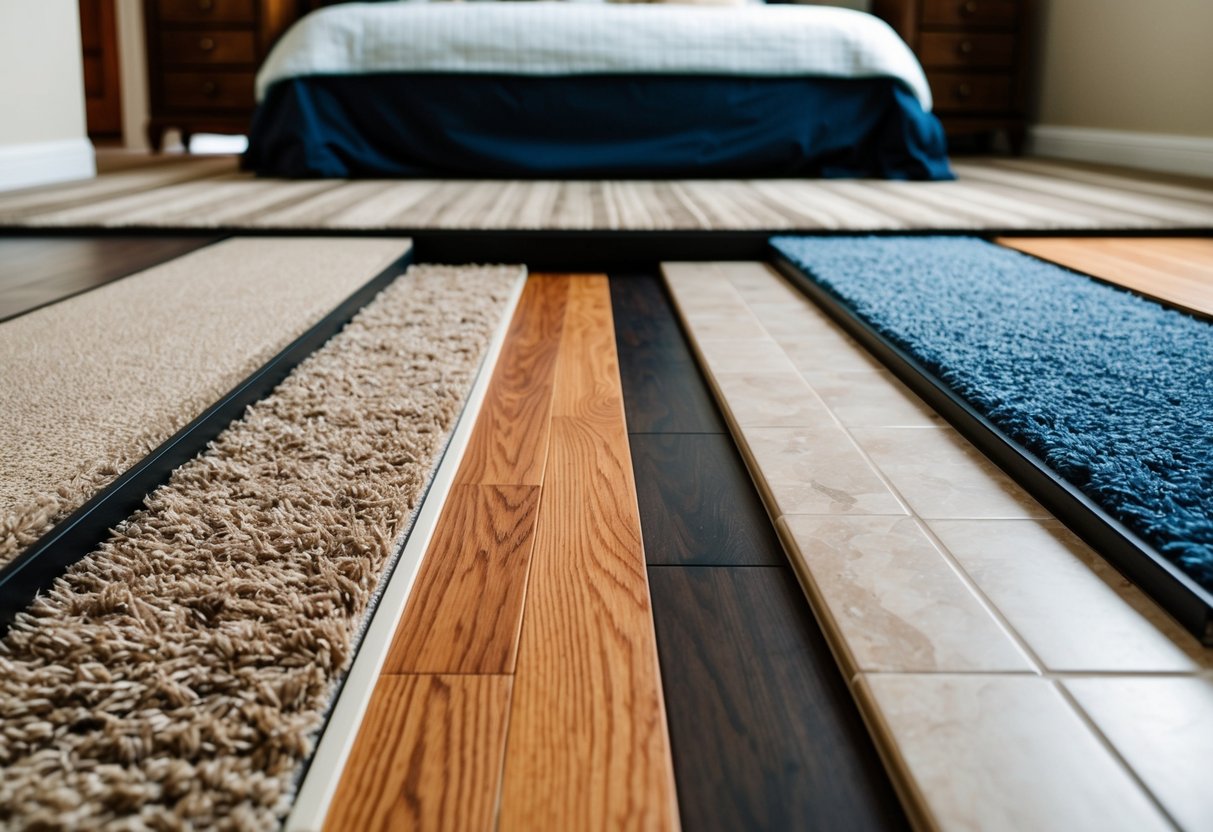
The best bedroom flooring depends on what you need and like. You might want soft carpet to step on when you wake up. Or you might prefer hardwood floors that look fancy and last a long time. There are also choices like vinyl and cork that can give you a mix of comfort and style.
Think about how much noise you want to block, how warm you want the floor to be, and how much work you’re willing to do to keep it clean. Your budget matters too. Some floors cost more up front but might save you money over time because they last longer.
Key Takeaways
- Choose flooring that fits your comfort, style, and cleaning needs
- Consider factors like noise, warmth, and cost when picking a floor
- Look at options like carpet, hardwood, vinyl, and cork for your bedroom
Understanding Bedroom Flooring Essentials
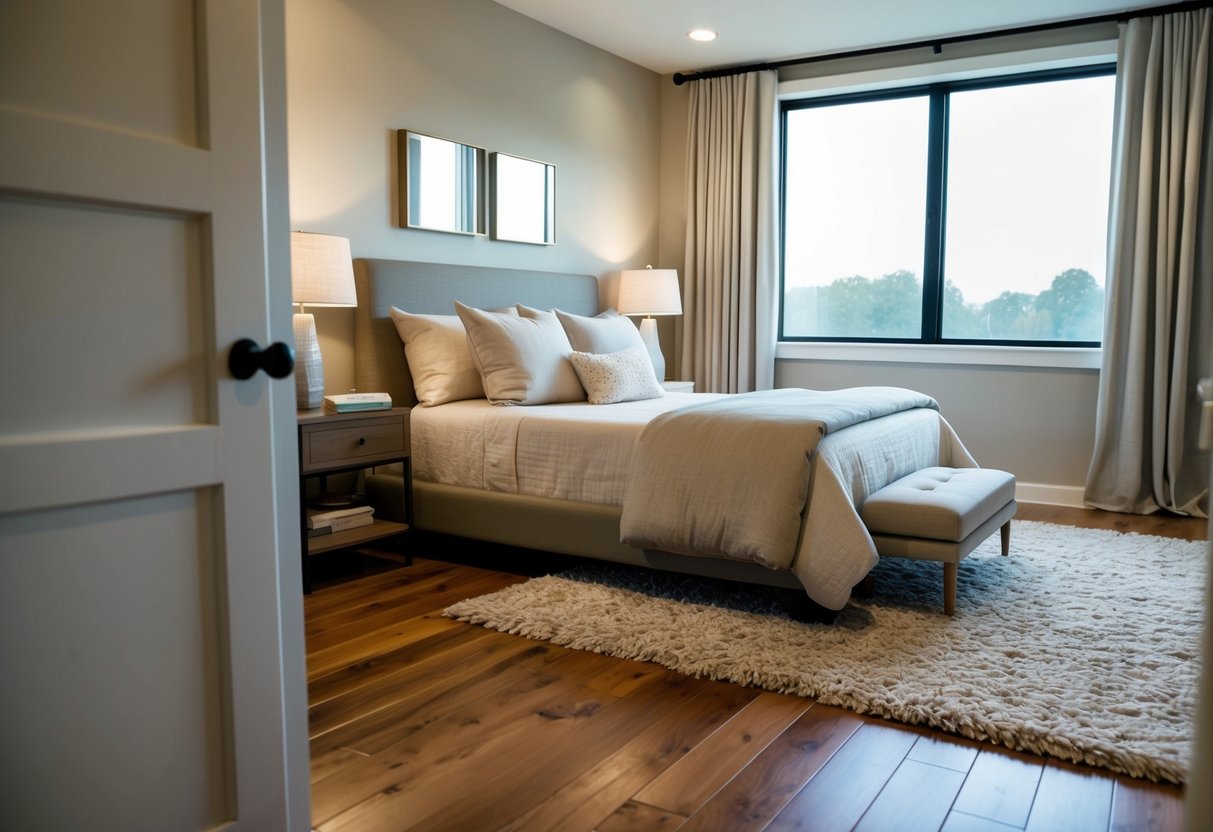
Bedroom flooring impacts comfort, style, and value. Your choice sets the tone for the space and affects daily life.
The Role of Flooring in Bedroom Design
Flooring is key in bedroom design. It creates the foundation for the room’s look and feel. Soft carpets make bedrooms cozy, while hardwood adds elegance.
Your flooring choice affects:
- Room temperature
- Noise levels
- Cleaning needs
- Overall atmosphere
The right floor can make your bedroom more relaxing. It can also boost your home’s value.
Comparing Flooring Materials
Bedrooms have many flooring options. Each has pros and cons.
Carpet:
- Soft and warm
- Good for sound control
- Needs regular cleaning
- Classic look
- Durable
- Can be noisy
Laminate:
- Affordable
- Easy to clean
- Less durable than hardwood
- Water-resistant
- Wide range of styles
- Not as eco-friendly as other options
Factors Influencing Bedroom Flooring Choices
Several factors affect your flooring decision:
- Budget: Costs vary widely between options.
- Comfort: Think about how the floor feels underfoot.
- Maintenance: Some floors need more care than others.
- Allergies: Hard surfaces are better for allergy sufferers.
- Style: Your flooring should match your bedroom’s design.
Consider your lifestyle too. Do you have pets? Do you prefer a warm floor in the morning? These questions can guide your choice.
Evaluating Durability and Maintenance
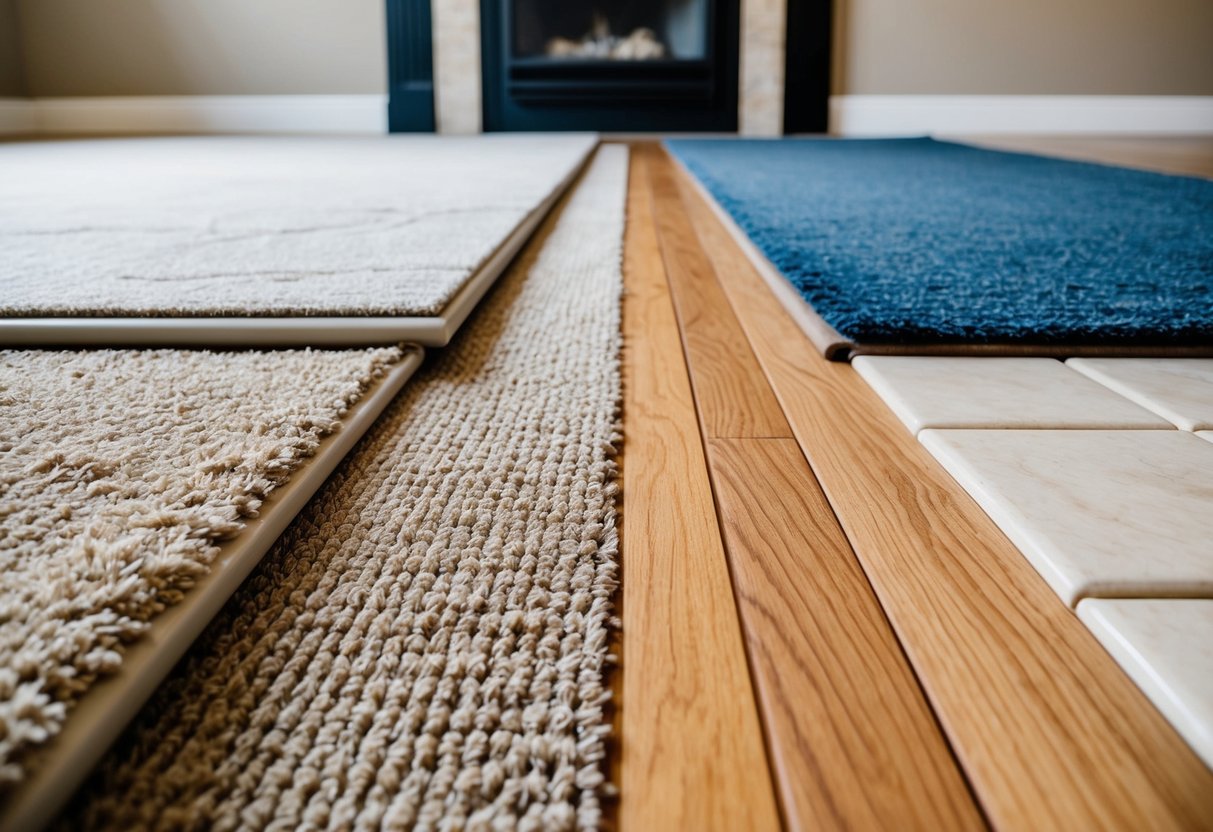
When choosing bedroom flooring, durability and maintenance are key factors to consider. These aspects affect your floor’s longevity and the effort needed to keep it looking good.
Resilience to Wear and Damage
Different flooring materials handle wear and tear differently. Hardwood floors are known for their durability but can dent or scratch. You can sand and refinish them to restore their appearance.
Laminate and luxury vinyl plank (LVP) resist scratches and dents well. They’re good choices for high-traffic areas or if you have pets.
Carpet durability varies based on fiber type and density. Nylon and polyester carpets tend to be more resilient than natural fibers.
Cork flooring is softer and may dent more easily. It’s better suited for low-traffic bedrooms.
Maintenance and Upkeep Requirements
Each flooring type needs different care to stay in good shape. Hardwood requires regular sweeping and occasional polishing. You’ll need to refinish it every few years to maintain its look.
Carpet needs frequent vacuuming and periodic deep cleaning. Spills must be cleaned quickly to prevent staining.
Laminate and LVP are easy to maintain. Regular sweeping and damp mopping are usually enough to keep them clean.
Cork floors need gentle cleaning with a damp mop and mild soap. You’ll need to reseal them every few years to protect the surface.
Managing Spills, Stains, and Scratches
Accidents happen, so it’s important to know how to handle them. For hardwood, wipe up spills immediately to prevent water damage. Use furniture pads to avoid scratches.
Carpet can be tricky with spills. Blot, don’t rub, to avoid spreading the stain. Use carpet-specific cleaners for best results.
Laminate and LVP handle spills well. Clean them up quickly and use a damp cloth for stubborn spots. These materials resist staining and scratching better than other options.
Cork is naturally resistant to mold and mildew. However, it can stain if spills aren’t cleaned promptly. Use coasters under furniture to prevent dents.
Comfort and Health Considerations
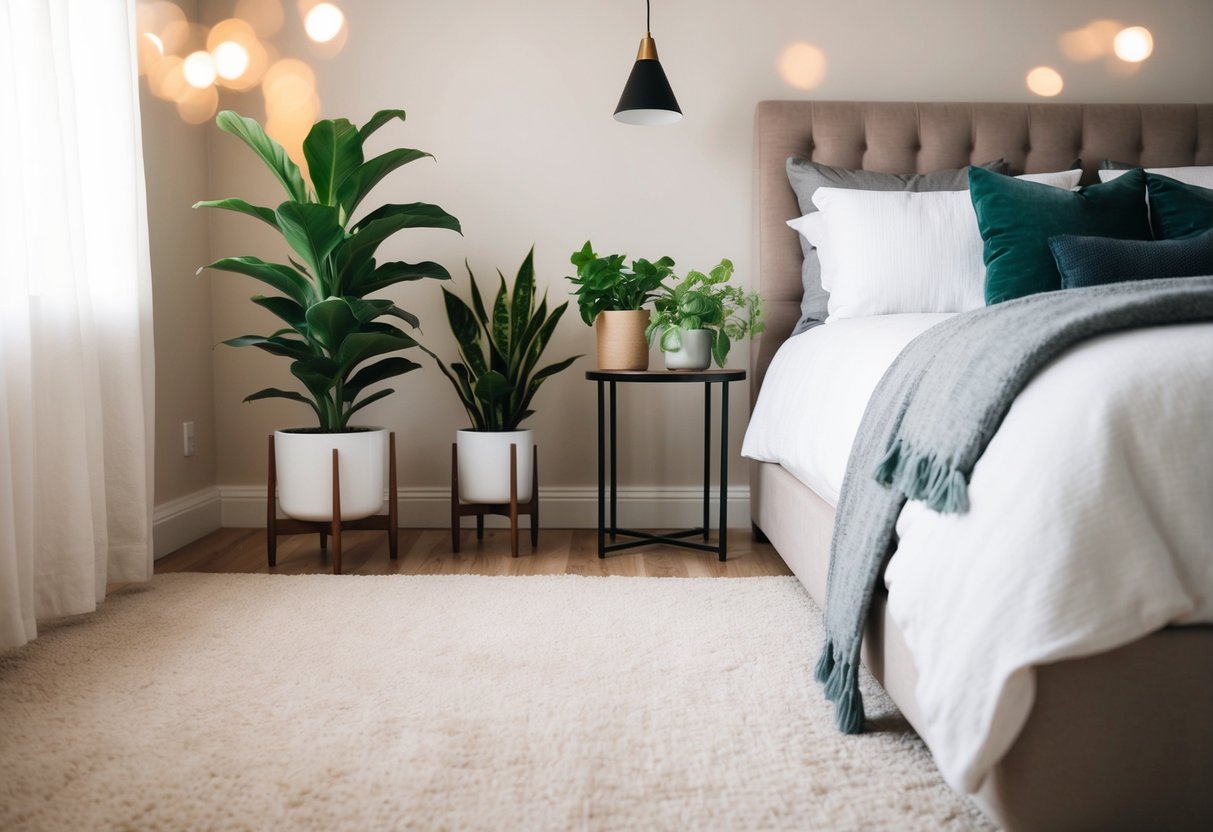
Your bedroom flooring affects both comfort and health. The right choice can make your space cozy and safe.
The Importance of Warmth and Softness
Carpet is soft and comfortable underfoot, making it a top pick for bedrooms. It provides warmth on chilly mornings and cushions your steps.
Cork is another warm option. It feels nice to walk on and keeps heat in the room.
Hardwood can be cold, but area rugs can add softness where needed.
Vinyl and laminate fall in the middle. They’re not as soft as carpet, but warmer than tile.
Consider heated flooring for extra coziness. It works well under tile or hardwood.
Allergy Considerations and Cleanliness
If you have allergies, your flooring choice matters. Hard surfaces like wood, vinyl, and tile are easier to keep free of dust and allergens.
Carpet can trap allergens, but regular vacuuming helps. Look for low-pile options if you want carpet.
Cork naturally resists mold and mildew. This makes it good for allergy sufferers.
All floors need cleaning, but some are easier than others:
- Hardwood: Sweep and damp mop
- Vinyl and laminate: Sweep and mop
- Carpet: Vacuum often, deep clean yearly
- Cork: Sweep and damp mop, avoid excess water
Ensuring a Safe and Healthy Bedroom Environment
Safety is key in bedrooms. Choose slip-resistant options, especially if you have young kids or older adults at home.
Carpet provides good traction. For hard floors, use non-slip rugs in high-traffic areas.
Check that your flooring doesn’t off-gas harmful chemicals. Look for low-VOC options in all materials.
Natural materials like wood and cork are often safest. If choosing synthetic options, make sure they’re certified safe.
Good indoor air quality is vital for health. Some floors, like cork, naturally improve air quality.
Aesthetic Choices and Decorating Tips
Your bedroom flooring sets the foundation for your room’s style. The right choice can enhance your decor and create the perfect atmosphere.
Selecting Colors and Patterns
Choose flooring colors that match your bedroom’s palette. Light colors can make a room feel bigger and brighter. Dark colors add warmth and coziness.
Neutral tones like beige, gray, or white are versatile. They work with many decorating styles. Bold patterns can add visual interest. But be careful – they may clash with other design elements.
Luxury vinyl plank flooring comes in many colors and patterns. It’s a durable option that can mimic wood or stone.
Matching Flooring to Bedroom Decor
Your flooring should complement your furniture and decor. For a cohesive look, pick flooring that fits your bedroom’s style.
- Traditional: Hardwood or patterned carpet
- Modern: Sleek tile or polished concrete
- Rustic: Distressed wood or natural stone
- Minimalist: Solid color carpet or light wood
Consider the texture too. Plush carpet adds softness to a cozy room. Smooth surfaces like tile or vinyl work well in sleek, modern spaces.
Creating the Desired Bedroom Vibe
The right flooring can set the mood for your bedroom. Think about the feeling you want to create.
For a calm, peaceful vibe, try soft carpet or cork flooring. These materials absorb sound and feel warm underfoot. Quiet luxury-inspired flooring like marble can add sophistication.
If you want an energizing space, consider bright colors or bold patterns. Hardwood or laminate in rich tones can create a lively atmosphere.
Remember, your comfort is key. Choose flooring that feels good to walk on and suits your lifestyle.
Practical Factors in Flooring Selection
Choosing the right bedroom flooring involves more than just looks. You need to think about your budget, family needs, and local climate.
Budgeting for New Bedroom Flooring
The cost of new flooring can vary widely. Carpet is often the most affordable option, while hardwood tends to be pricier. Here’s a quick price guide:
- Carpet: $2-$7 per square foot
- Laminate: $3-$7 per square foot
- Luxury Vinyl Plank: $4-$10 per square foot
- Hardwood: $6-$12 per square foot
Don’t forget to factor in installation costs. Some options like carpet need professional installation, while you might be able to install laminate or vinyl yourself.
Think about long-term value too. Hardwood can last decades with proper care, potentially saving you money over time.
Considerations for Pets and Children
If you have pets or kids, durability is key. Luxury vinyl plank flooring is a great choice. It’s scratch-resistant and easy to clean.
Carpet can be cozy for little feet, but it’s harder to keep clean. If you choose carpet, look for stain-resistant options.
For pets, avoid soft woods like pine. They scratch easily. Harder woods like oak or maple hold up better.
Consider slip resistance too. Glossy finishes can be slippery for both pets and kids.
Climate and Moisture Resistance
Your local climate affects flooring choices. In humid areas, solid hardwood can warp. Engineered wood or luxury vinyl plank might work better.
For basements or areas prone to moisture, water-resistant options are crucial. Vinyl and certain types of tile work well.
In cold climates, insulation matters. Carpet provides warmth, while tile can feel chilly. Cork is naturally insulating and works well in various climates.
Remember, proper installation is key for any flooring to perform well in different climates.
Installation and Do-It-Yourself Options
Picking the right flooring is just the first step. You also need to decide how to install it. Some options are easier for DIY projects, while others may need professional help.
Professional vs. DIY Installation
Professional installation can save you time and stress. Experts have the right tools and know-how to do the job quickly. They can handle tricky cuts and make sure everything fits perfectly. But it costs more than doing it yourself.
DIY installation can save you money. It’s a good choice if you’re handy and have some free time. Vinyl plank flooring is often easy to install yourself. It usually clicks together without glue. Laminate is another good DIY option.
Some types of flooring are harder to install. Hardwood and tile often need special tools and skills. These might be better left to the pros.
Installation Techniques and Tips
Before you start, make sure the floor is clean and level. Remove any old flooring and fix any uneven spots. Let new flooring sit in the room for a few days to adjust to the temperature.
For vinyl plank flooring, start in a corner and work your way out. Leave a small gap at the walls for the floor to expand. Use a rubber mallet to tap pieces together snugly.
When installing carpet, start by laying the padding. Then, stretch the carpet over it using a knee kicker. Trim the edges carefully with a utility knife.
Always wear safety gear like gloves and knee pads. Take your time and measure twice before cutting. If you’re not sure about something, don’t be afraid to ask for help or watch some how-to videos online.
Enhancing Bedroom Floors with Area Rugs
Area rugs can transform your bedroom floor, adding warmth, style, and comfort. They offer a quick way to change the look of your room and protect your existing flooring.
Choosing the Right Rug
When picking an area rug for your bedroom, consider size first. A rug should extend beyond the bed by at least 18 inches on each side. For a king or queen bed, an 8×10 or 9×12 rug often works well.
Texture matters too. A plush, high-pile rug feels great on bare feet when you step out of bed. But if you have allergies, a low-pile rug might be better.
Color and pattern can tie your room together. Choose a rug that complements your bedding and wall color. A bold pattern can add interest to a plain room, while a solid color can calm a busy space.
Think about care as well. Wool rugs are durable but can be pricey. Synthetic fibers like nylon or polyester are often more affordable and easier to clean.
Benefits of Adding an Area Rug
Area rugs offer many perks for your bedroom. They make your space more comfortable by adding a soft layer underfoot. This is especially nice on hard floors like wood or tile.
Rugs also help with noise absorption. They can muffle footsteps and reduce echoes, creating a quieter, more peaceful bedroom.
In winter, rugs add warmth to your room. They insulate the floor, keeping your feet cozy on chilly mornings.
Lastly, area rugs protect your main flooring. They catch dirt and spills, making your floors easier to maintain. This can be particularly helpful if you have carpet, hardwood, or luxury vinyl in your bedroom.
Long-Term Value and Flooring Lifespan
Choosing the right bedroom flooring impacts your home’s value and your long-term satisfaction. Smart choices can boost resale appeal and save money on replacements.
Assessing the Resale Value Impact
Different flooring types affect home value in various ways. Hardwood floors often increase a home’s value due to their timeless appeal and durability. They can last for decades with proper care. Luxury vinyl plank (LVP) is another option that can boost value. It mimics wood at a lower cost and offers good durability.
Carpet may not add as much value, but it’s still popular in bedrooms. Buyers often expect carpet in these spaces. High-quality carpet in good condition won’t hurt your home’s value.
Flooring Value Impact:
- Hardwood: High
- LVP: Medium to High
- Carpet: Neutral to Low
Strategies for Long-Lasting Floors
To maximize your flooring’s lifespan, focus on proper care and maintenance. For hardwood, use felt pads under furniture and clean up spills quickly. Refinish every 7-10 years to keep it looking fresh.
For carpet, vacuum regularly and address stains promptly. Professional cleaning once a year can extend its life. LVP is low-maintenance but benefits from regular sweeping and occasional damp mopping.
Consider your lifestyle when choosing flooring. If you have pets or kids, opt for scratch-resistant options like LVP or well-finished hardwood. In high-traffic areas, durable choices like tile or high-quality carpet can withstand wear and tear better.
Environmental Impact and Sustainability
Choosing eco-friendly flooring for your bedroom can help reduce your environmental footprint. Sustainable options offer durability and style while minimizing harm to the planet.
Eco-Friendly Flooring Choices
When selecting bedroom flooring, consider natural materials that are renewable and biodegradable. Bamboo grows quickly and makes durable flooring. Cork is harvested without harming trees and offers comfort underfoot.
Cork flooring is naturally resilient and provides insulation. It’s also hypoallergenic, making it great for bedrooms.
Reclaimed wood gives old timber new life. It adds character to your space while reducing demand for new lumber.
Wool carpeting is a natural, renewable option. It’s soft, durable, and resists stains and fire.
Sustainable Practices in Flooring
Look for flooring certified by eco-labels like FSC (Forest Stewardship Council) or GreenGuard. These ensure materials come from responsibly managed sources.
Choose low-VOC options to improve indoor air quality. This is especially important in bedrooms where you spend many hours.
Consider the entire lifecycle of your flooring. Opt for materials that can be recycled or composted at the end of their use.
Install your flooring using eco-friendly adhesives and finishes. Water-based products often have lower environmental impact.
Proper maintenance extends the life of your flooring, reducing the need for replacement. Use green cleaning products to keep your bedroom floor in top shape.
Frequently Asked Questions
Bedroom flooring choices can greatly impact comfort, style, and practicality. Let’s explore some common questions about selecting the right flooring for your sleeping space.
What are some cost-effective flooring options for modern bedrooms?
Vinyl and laminate flooring are budget-friendly choices for modern bedrooms. These materials can mimic the look of more expensive options like hardwood or stone at a fraction of the cost. They’re also durable and easy to clean, making them practical for everyday use.
Vinyl comes in many styles and can be water-resistant. Laminate offers a wood-like appearance and is often more affordable than real hardwood.
How do flooring trends for bedrooms differ in 2024 compared to previous years?
In 2024, there’s a growing trend towards sustainable and eco-friendly flooring options for bedrooms. Cork and bamboo are gaining popularity due to their renewable nature and unique aesthetics.
Lighter wood tones and gray-washed finishes are also trendy this year, replacing the darker shades that were popular in past years.
What are the most durable types of flooring for a bedroom with pets?
For pet-friendly bedrooms, luxury vinyl plank (LVP) and tile are top choices. LVP is scratch-resistant, water-resistant, and easy to clean, making it ideal for homes with pets.
Tile is another durable option that can withstand pet traffic and accidents. It’s easy to maintain and doesn’t trap pet hair or dander.
What are the benefits of using vinyl flooring in bedrooms?
Vinyl flooring offers several advantages for bedrooms. It’s water-resistant, making it easy to clean spills. Vinyl is also softer underfoot compared to hardwood or tile, providing more comfort.
It comes in a wide range of styles and colors, allowing you to achieve various looks. Vinyl is also relatively affordable and can be a good choice for those on a budget.
Which is more beneficial for a bedroom setting: carpet or laminate flooring?
The choice between carpet and laminate depends on your priorities. Carpet provides warmth and softness, making it cozy for bedrooms. It also helps with noise reduction and insulation.
Laminate, on the other hand, is easier to clean and more durable. It can mimic the look of hardwood at a lower cost. Consider your lifestyle and preferences when deciding between these options.
How does cork compare to other flooring materials for comfort and style in bedrooms?
Cork flooring offers unique benefits for bedrooms. It’s naturally soft and warm underfoot, providing comfort similar to carpet. Cork also has sound-dampening properties, creating a quiet environment.
Style-wise, cork has a distinctive look that can add character to your bedroom. It’s also eco-friendly, as it’s made from renewable materials. However, cork may require more maintenance than some other flooring types.


