

Mastering Precision Sanding for Intricate Projects – Expert Tips and Techniques
Detail sanders are small, handheld power tools designed for precision work in tight spaces. They excel at smoothing intricate surfaces and reaching corners that larger sanders can’t access. Detail sanders use a triangular or finger-shaped pad to sand small areas with great control and accuracy.
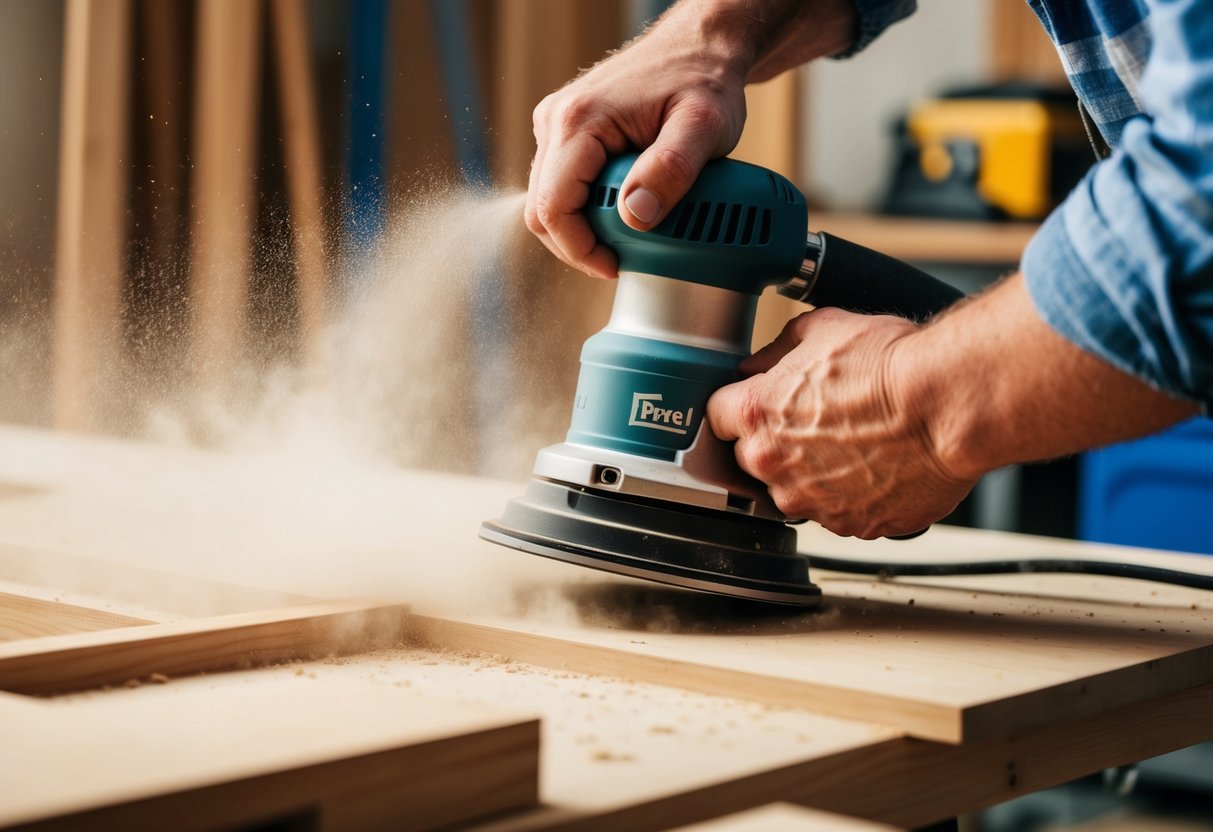
These tools are perfect for woodworking projects, furniture refinishing, and automotive detailing. Their compact size and unique shape make them ideal for sanding ornate moldings, curved surfaces, and hard-to-reach spots. Many detail sanders offer interchangeable heads for even more versatility.
When choosing a detail sander, look for features like variable speed settings, dust collection systems, and ergonomic designs. These elements can greatly improve your sanding experience and results. With the right detail sander, you can achieve professional-quality finishes on even the most complex projects.
Key Takeaways
- Detail sanders excel at precision work in tight spaces and corners
- They use triangular or finger-shaped pads for accurate sanding
- Features like variable speed and dust collection improve performance
Understanding Detail Sanders
Detail sanders are specialized tools for precise sanding in tight spaces. They offer unique features that set them apart from other sanders, making them ideal for intricate projects.
Types of Detail Sanders
Detail sanders come in various shapes and sizes. The most common types are:
- Triangular: Perfect for corners and edges
- Finger: Ideal for extremely tight spaces
- Oscillating: Offers versatile sanding motions
Corded detail sanders provide consistent power, while cordless models offer greater mobility. Your choice depends on your specific needs and working environment.
Key Features and Capabilities
Detail sanders stand out due to their unique design and functionality. Here are some key features:
- Compact size: Allows access to tight spots
- Lightweight design: Reduces user fatigue during extended use
- Ergonomic grip: Improves control and comfort
- Interchangeable sanding pads: Fits various shapes and surfaces
- Dust collection system: Keeps your work area clean
These tools excel at precision sanding in hard-to-reach areas. They’re perfect for small-scale projects, intricate woodworking, and finishing tasks like cabinet or furniture refinishing.
Detail Sanders in Woodworking

Detail sanders excel at precise work on small areas and tight spots. They’re perfect for furniture refinishing and intricate woodworking projects.
Materials and Surfaces
Detail sanders work well on various wood types. They’re great for softwoods like pine and hardwoods such as oak or maple. These tools shine when sanding corners and edges on furniture pieces.
You can use detail sanders on painted surfaces to prep for refinishing. They’re also good for smoothing wood filler or putty. When working with veneers, be careful not to sand through the thin layer.
For best results, start with coarse-grit sandpaper (60-80 grit) for rough surfaces. Move to medium grit (120-150) for smoothing. Finish with fine grit (220+) for a silky surface.
Sanding Techniques for Detail Sanders
Hold your detail sander lightly and let its weight do the work. Move it slowly in small circles or back-and-forth motions. Don’t press too hard or you might damage the wood.
For tight corners, use the sander’s pointed tip. This helps you reach tricky spots. When working on curves, keep the sander flat against the surface.
Always sand with the wood grain to avoid scratches. Use a dust mask and work in a well-ventilated area. Clean your sander’s pad often to prevent clogging and ensure even sanding.
Try different sanding pads for various tasks. Hook-and-loop pads are easy to change. Foam-backed pads conform to curved surfaces better.
Selecting the Right Sandpaper

Picking the right sandpaper is key for getting the best results with your detail sander. The grit size and type of paper make a big difference in how your project turns out.
Understanding Grit Sizes
Sandpaper grit sizes range from very coarse to super fine. Coarse grits (40-60) remove material quickly but leave rough surfaces. Medium grits (80-120) smooth out scratches from coarser paper. Fine grits (150-220) create smoother finishes.
For detail work, you’ll often use finer grits. Micro-grit sandpaper (320 and up) is great for polishing and final smoothing. The higher the number, the finer the grit.
Here’s a quick guide to common grit sizes:
- 40-60: Very coarse, for heavy sanding
- 80-120: Medium, for general smoothing
- 150-220: Fine, for finishing
- 320+: Very fine, for polishing
Matching Sandpaper to the Project
Choose your sandpaper based on your project’s needs. For removing old finishes or smoothing rough wood, start with a coarser grit. Work your way up to finer grits for a smooth finish.
On delicate surfaces, start with a finer grit to avoid damage. For intricate details, use flexible sandpaper that can conform to curves and corners.
Remember, using the wrong grit can leave deep sanding marks or damage your workpiece. Always test on a scrap piece first. Change your sandpaper often – dull paper won’t sand effectively and can cause frustration.
Maximizing Precision and Reach
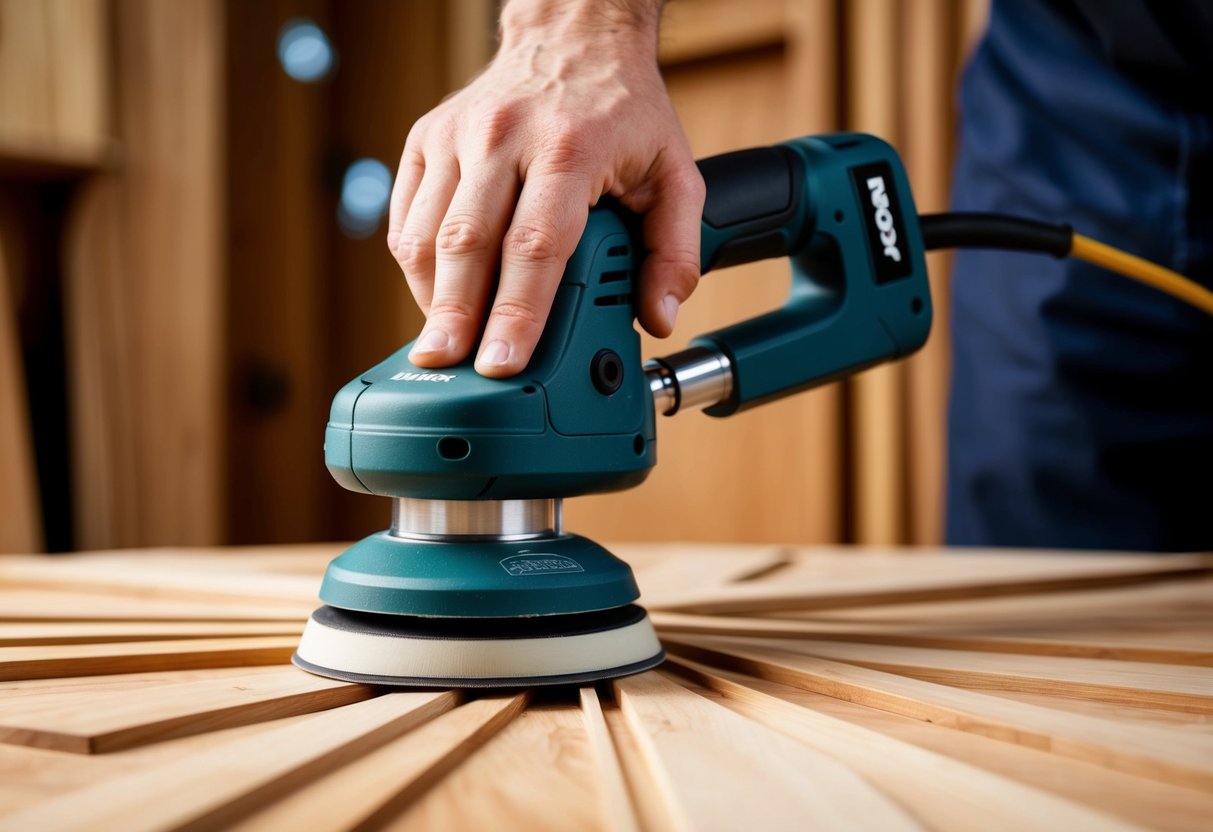
Detail sanders excel at reaching tight spots and intricate areas. Their design and proper techniques allow for precise sanding in challenging spaces.
Ergonomics and Sander Design
Detail sanders come in various shapes to tackle different jobs. Triangular sanding pads are great for corners and edges. Square pads work well on flat surfaces. Some models offer interchangeable heads for versatility.
The WEN 6301 electric detailing palm sander is a popular choice. It has an angled tip for hard-to-reach areas. Look for sanders with rubberized grips to reduce hand fatigue during long jobs.
Weight matters too. Lighter sanders let you work longer without strain. But heavier tools can provide more stability for certain tasks.
Techniques for Intricate Sanding
Start with coarser grits and work your way to finer ones for smooth results. Use light pressure to avoid damaging delicate surfaces. Let the sander do the work.
For curved areas, move the sander in the direction of the grain. On flat spots, use overlapping passes for even coverage. Take breaks to check your progress and clean dust buildup.
Small detail sanders are ideal for tight spaces. Their compact size lets you maneuver in cramped areas. Use different sanding attachments for various shapes and contours.
Practice on scrap pieces to get a feel for your sander’s behavior. This helps you develop control for precision work on your actual projects.
Dust Collection and Workspace Cleanliness
Keeping your workspace clean is key when using a detail sander. Good dust collection protects your health and improves sanding results.
Effective Dust Collection Techniques
Many detail sanders come with built-in dust collection systems. These help capture fine dust particles as you sand. To get the most from your sander’s dust collection:
- Empty the dust bag or canister often. A full bag reduces suction.
- Check that the dust port is clear of clogs.
- Use a vacuum attachment when possible for better dust removal.
Some sanders have holes in the sanding pad to improve dust pickup. Make sure your sandpaper lines up with these holes.
For even better dust control, wear a dust mask and set up a fan to direct airflow away from you.
Maintenance and Cleaning of Detail Sanders
Regular cleaning keeps your detail sander working well. After each use:
- Brush out the dust port and collection bag.
- Wipe down the sanding pad and body.
- Check for loose screws or parts and tighten if needed.
Clean the motor vents with compressed air to prevent overheating. This helps your sander last longer.
Replace worn sanding pads and torn dust bags right away. Damaged parts hurt performance and dust collection.
Store your sander in a dry place to avoid rust. A clean, well-maintained detail sander will give you the best results on your projects.
Detail Sander Best Practices
Using a detail sander effectively requires attention to safety and technique. Proper handling and method can lead to professional-grade results on your projects.
Safety and Handling
When using a detail sander, always wear safety glasses to protect your eyes from dust. Use a dust mask to avoid inhaling particles. Wear ear protection if working for extended periods.
Keep your work area clean and well-lit. Secure your workpiece to prevent movement. Unplug the sander when changing sandpaper or making adjustments.
Hold the sander firmly with both hands for better control. Don’t apply too much pressure – let the tool do the work. Keep your fingers away from moving parts and the sanding pad.
Achieving a Professional Finish
Start with coarser grit sandpaper and progress to finer grits for a smooth finish. Clean the surface between grits to remove dust. Use light, even pressure and move the sander in the direction of the wood grain.
For intricate areas, use the tip of the sander. Work slowly and carefully to avoid damaging delicate parts. Check your progress often to ensure even sanding.
Use a tack cloth to remove dust before applying finish. For a mirror-like surface, consider using ultra-fine grit sandpaper as a final step.
Maintenance and Care
Proper upkeep of your detail sander ensures its longevity and optimal performance. Regular cleaning and timely replacement of parts are key to maintaining your tool’s effectiveness.
Replacing Sanding Pads and Discs
Sanding pads and discs wear out over time and need replacement. Check your pads regularly for signs of wear such as tearing or reduced effectiveness.
To replace a pad:
- Unplug the sander
- Remove the old pad
- Clean the backing plate
- Align the new pad carefully
- Press firmly to attach
Choose the right grit for your project. Coarse grits (60-80) remove material quickly. Medium grits (120-220) smooth surfaces. Fine grits (320+) give a polished finish.
Keep spare pads on hand to avoid interrupting your work. Store pads in a cool, dry place to prevent warping or damage.
Cleaning and Storing Your Detail Sander
Regular cleaning prevents dust buildup and keeps your sander working well. After each use:
- Unplug the sander
- Remove the sanding pad
- Brush off loose dust
- Wipe down with a damp cloth
- Let dry completely
Pay special attention to the dust collection system. Empty the dust bag or canister after each use. Clean or replace filters as needed.
Store your sander in a dry place to prevent rust. A padded case protects it from damage. Keep cords neatly coiled to avoid tangles or breaks.
Application in DIY and Craft Projects
Detail sanders are versatile tools for DIY and craft projects. They help you sand tight spots and create smooth finishes on small items.
Detail Sanding for Creative Projects
Detail sanders are great for creative work. You can use them to smooth wooden crafts like picture frames or birdhouses. They’re perfect for prepping surfaces before painting or staining.
Try these tips:
- Use fine-grit sandpaper for a smooth finish on delicate items
- Sand in the direction of the wood grain
- Clean dust often to see your progress
Detail sanders work well on various materials. You can sand wood, plastic, and even some metals. This makes them useful for many DIY projects.
Restoration and Refinishing Tips
When restoring old furniture or refinishing items, detail sanders are key tools. They help you get into tight corners and odd shapes.
Here’s how to use a detail sander for restoration:
- Start with coarse-grit paper to remove old paint or varnish
- Move to finer grits for a smooth surface
- Use light pressure to avoid damaging the wood
The Black+Decker Mouse Detail Sander is good for small restoration jobs. Its pointed tip reaches into tight spots easily.
For best results, take your time and work carefully. Clean the sanding pad often to keep it effective. This will improve your craftsmanship and the quality of your finished project.
Choosing Between Power Sources
Detail sanders come in corded and cordless versions. Each type has its own advantages and drawbacks. Your choice depends on factors like project needs, work location, and personal preferences.
Corded vs. Cordless Detail Sanders
Corded detail sanders offer constant power for long jobs. You don’t need to worry about battery life. They’re often more powerful than cordless models. This makes them good for tough sanding tasks.
Cordless detail sanders give you freedom to move. You can use them anywhere without needing an outlet. They’re great for outdoor projects or sites without power. Many modern cordless sanders match the power of corded ones.
The downside of corded sanders is the cord itself. It can get in the way or limit your reach. Cordless sanders may not last through long jobs without a battery change.
Battery Life and Power Management
Battery life is key for cordless detail sanders. Most use lithium-ion batteries. These offer good run time and quick charging. A typical battery lasts 30-60 minutes of continuous use.
To extend battery life:
- Use the right speed setting for your task
- Clean the sander regularly
- Store batteries properly when not in use
Some cordless sanders have removable batteries. This lets you swap in a fresh one for longer jobs. Others have built-in batteries you recharge between uses.
Power management features help save battery life. These include variable speed controls and auto-shutoff. Using these wisely can help your battery last longer.
Frequently Asked Questions
Detail sanders are versatile tools for precise work. They excel at reaching tight spots and tackling intricate projects. Let’s address some common questions about these handy sanders.
What characteristics should one look for in a detail sander for precise work?
When choosing a detail sander for precise work, look for a compact size and lightweight design. These features help you maneuver in tight spaces. A triangular sanding pad is ideal for reaching corners and edges.
Adjustable speed settings allow you to control the sanding intensity. This is helpful for different materials and finishes. Good dust collection keeps your work area clean and improves visibility.
How do you effectively use a detail sander on small or complex areas?
To use a detail sander on small or complex areas, start with a light touch. Move the sander slowly and steadily across the surface. Don’t apply too much pressure, as this can damage the material.
For intricate designs, follow the pattern of the wood grain or shape. Use the pointed tip of the triangular pad to reach tight corners and crevices. Change to finer grit sandpaper for a smoother finish.
What are the safety considerations when operating a detail sander?
Always wear safety glasses to protect your eyes from dust and debris. A dust mask is also important to avoid inhaling fine particles. Ear protection can be helpful, as some detail sanders can be noisy.
Ensure your work area is well-ventilated. Keep your hands away from the moving sanding pad. Unplug the sander when changing sandpaper or performing maintenance.
Can a detail sander be used for both coarse and fine sanding tasks?
Yes, a detail sander can handle both coarse and fine sanding tasks. For coarse sanding, use a lower grit sandpaper (60-80 grit) to remove material quickly. Switch to a higher grit (120-220) for smoother finishes.
Detail sanders are especially good for fine-tuning and finishing work. They excel at smoothing out small imperfections and blending repaired areas.
What maintenance is required to keep a detail sander in optimal condition?
To maintain your detail sander, clean it after each use. Remove dust and debris from the sanding pad and dust collection system. Check the power cord for any damage.
Regularly inspect the sanding pad for wear and replace it when needed. Lubricate moving parts according to the manufacturer’s instructions. Store your sander in a dry place to prevent rust.
How does a detail sander compare to other sanding tools for finishing intricate projects?
Detail sanders are more precise than larger sanders for intricate work. They can reach tight spots that orbital or belt sanders can’t access. Their small size allows for better control in detailed areas.
Compared to hand sanding, detail sanders are faster and provide more consistent results. They’re ideal for small-scale projects and touch-ups. For large, flat surfaces, other sanders might be more efficient.


