

Comparing Energy-Saving Options
Air compressors play a crucial role in many industries and workshops. Choosing the right one can save you money and boost productivity. But which type is the most efficient?
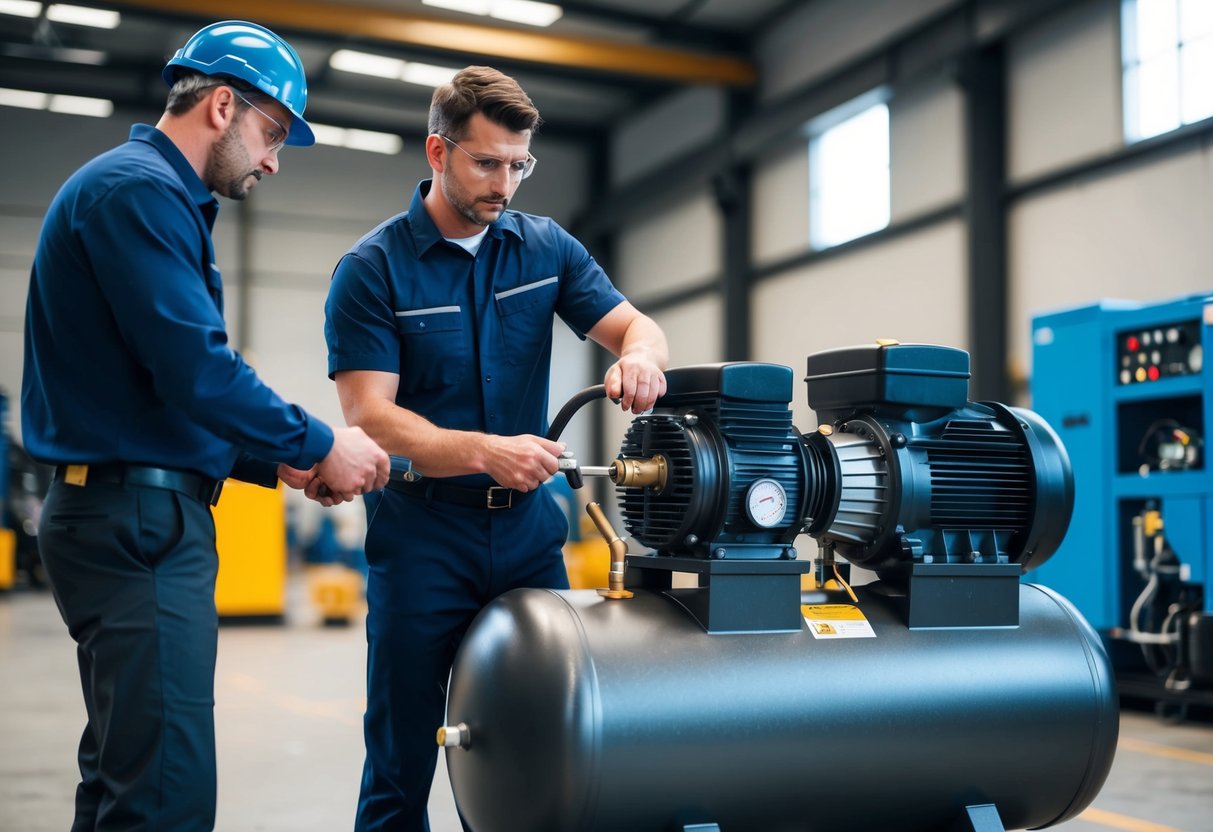
Rotary screw compressors with variable speed drive (VSD) technology are generally the most efficient type of air compressor. These machines adapt their operation to match air demand, cutting energy use by up to 60% compared to fixed-speed models. They work best for applications that need a steady air supply over long periods.
Efficiency isn’t just about the compressor type, though. Proper sizing, regular upkeep, and system design all impact how well your air compressor performs. By picking the right machine and taking good care of it, you can lower your energy bills and get more reliable air power.
Key Takeaways
- Rotary screw compressors with VSD offer the highest efficiency for most industrial uses
- Matching the compressor to your air needs is key for optimal performance
- Regular maintenance and leak prevention boost efficiency and save money
Understanding Air Compressors
Air compressors are essential tools that convert power into pressurized air. They come in various types and sizes, each with unique components that work together to compress air for different applications.
Types of Air Compressors
Air compressors fall into two main categories: positive displacement and dynamic compressors. Positive displacement compressors trap air and reduce its volume to increase pressure. This category includes:
• Reciprocating compressors: Use pistons to compress air • Rotary screw compressors: Employ rotating screws to trap and compress air • Scroll compressors: Use two spiral-shaped scrolls to compress air
Dynamic compressors use rotating blades to increase air velocity, then convert it to pressure. These include:
• Centrifugal compressors: Use impellers to accelerate air • Axial compressors: Use a series of fan blades to compress air
Each type has its strengths. Rotary screw compressors are common in industrial settings due to their efficiency and continuous operation capability.
Key Components and Function
Air compressors have several crucial parts that work together:
- Intake valve: Draws in air from the environment
- Compression chamber: Where air is compressed
- Drive motor: Powers the compression mechanism
- Discharge valve: Releases compressed air
The process starts when the intake valve opens, allowing air into the compression chamber. The drive motor powers the internal mechanism, which compresses the air. As pressure builds, the discharge valve opens, releasing the compressed air for use or storage.
Different compressor types use varied internal mechanisms. Reciprocating compressors use pistons, while rotary screw models use helical screws. The choice of mechanism affects factors like efficiency, noise level, and maintenance needs.
Efficiency Metrics and Considerations
When choosing an air compressor, you need to understand how efficiency is measured and what factors affect performance. Let’s explore the key metrics and technologies that impact air compressor efficiency.
Defining Efficiency in Air Compressors
Air compressor efficiency refers to how well a machine converts input energy into compressed air output. You measure this using specific power, which is the energy used to produce a given volume of air.
A lower specific power indicates higher efficiency. For example, a compressor using 20 kW to produce 100 CFM has better efficiency than one using 25 kW for the same output.
The efficiency rate also matters. This shows how much of the input power becomes useful compressed air. Higher percentages mean less wasted energy.
Evaluating Compressor Performance
To assess air compressor performance, you need to look at several key metrics:
- CFM (cubic feet per minute): Measures air output volume
- PSI (pounds per square inch): Indicates operating pressure
- Horsepower: Reflects the compressor’s power
- Duty cycle: Shows how long the compressor can run continuously
Free air delivery is another important measure. It tells you the actual air output at a specific pressure.
When comparing compressors, make sure to look at these metrics under the same conditions. A compressor’s efficiency can vary based on its operating pressure and other factors.
Energy Saving Technologies
Modern air compressors use various technologies to boost efficiency:
- Variable Speed Drive (VSD): Adjusts motor speed to match air demand
- Heat recovery systems: Capture and reuse waste heat
- Advanced controls: Optimize compressor operation
Oil-free compressors can be more efficient for certain applications. They eliminate oil contamination and reduce maintenance needs.
Fixed-speed compressors work well for steady air demand. But for variable needs, VSD compressors often provide better energy savings.
By choosing the right technology for your needs, you can significantly lower your operational costs and improve overall efficiency.
Air Compressor Applications
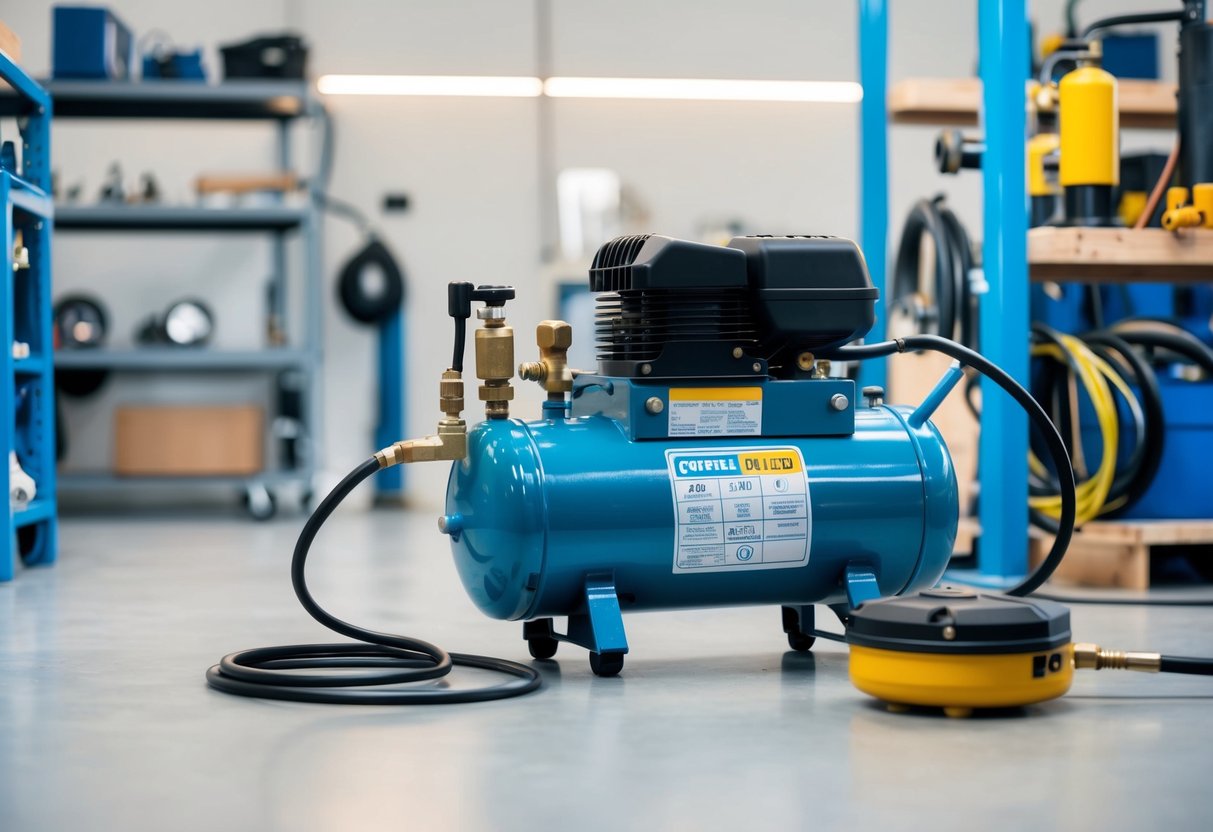
Air compressors have diverse uses across many industries and settings. They power tools, equipment, and processes that require pressurized air to function.
Industrial Use
Rotary screw air compressors are common in industrial environments. They provide steady air flow for continuous operations. You’ll find them in manufacturing plants powering pneumatic tools and assembly lines.
In the automotive industry, air compressors run paint sprayers and tire inflation systems. Mining operations use them to power drills and ventilation systems.
Oil and gas companies rely on air compressors for exploration and extraction processes. They help with drilling, well testing, and pipeline maintenance.
Food and beverage producers use compressed air for packaging, bottling, and cleaning equipment. The air must be clean and oil-free to meet safety standards.
Commercial and Home Use
You can use smaller air compressors for many tasks around your home or small business. They’re great for inflating tires, sports equipment, and pool toys.
Air compressors power nail guns and staplers for construction and woodworking projects. You can use them with spray guns for painting walls, fences, or furniture.
HVAC technicians use portable compressors to clean air conditioning systems. Dentists rely on them to run dental tools and equipment.
Many auto repair shops have air compressors to operate impact wrenches and other pneumatic tools. They’re also useful for cleaning dusty areas and equipment.
Specialized Applications
The aerospace industry uses air compressors in aircraft systems and for testing components. They help pressurize cabins and operate landing gear and brakes.
Scuba diving centers use specialized compressors to fill air tanks. These must produce clean, breathable air at high pressures.
Hospitals and medical facilities need air compressors for various equipment. They power ventilators, anesthesia machines, and some surgical tools.
Research labs use air compressors in vacuum systems and for operating sensitive instruments. They’re crucial in cleanrooms where air quality is tightly controlled.
Selecting the Right Air Compressor
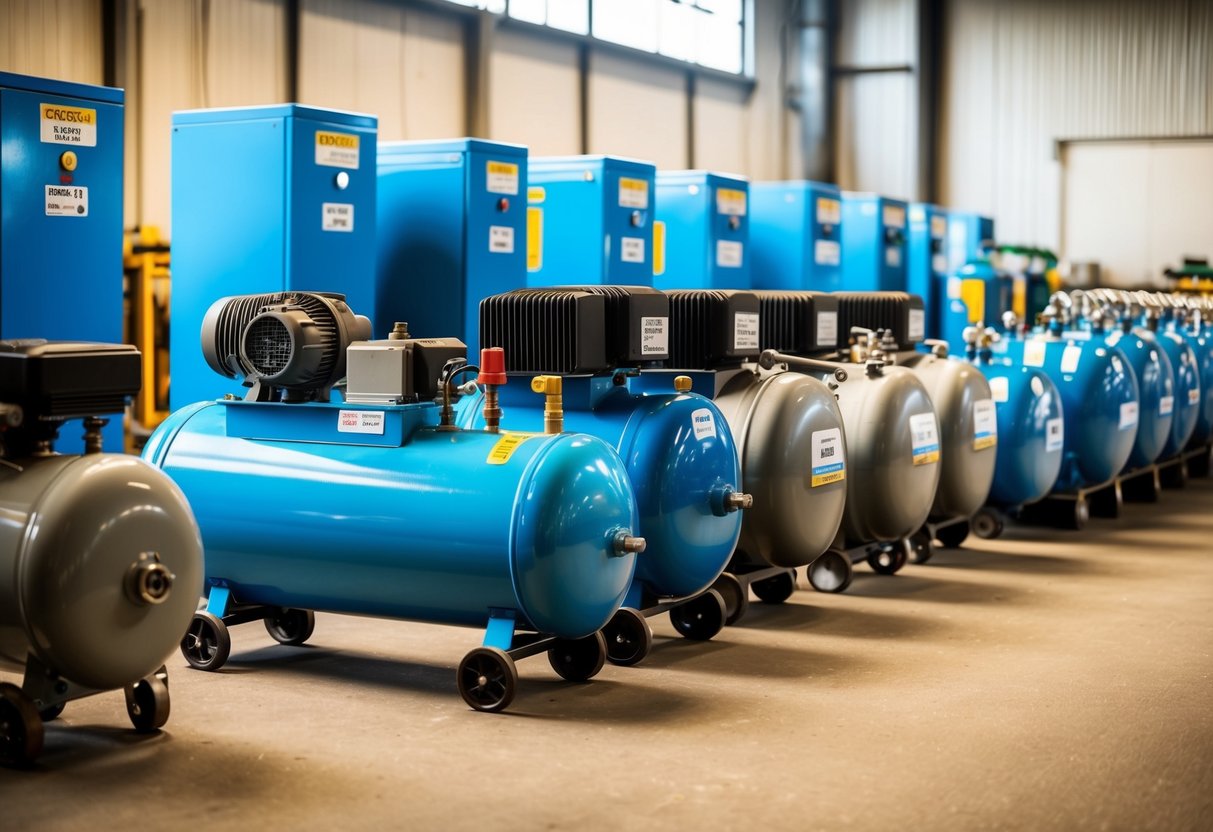
Choosing an efficient air compressor requires careful consideration of your needs and usage patterns. The right choice can lead to significant energy savings and improved performance.
Assessing Air Demand and Usage
Start by evaluating your air demand. Calculate the total CFM (cubic feet per minute) required for all tools and equipment you plan to use simultaneously.
Add 20-30% to this number to account for future needs and potential leaks. For example, if your tools need 10 CFM, aim for a compressor that delivers 12-13 CFM.
Consider your usage pattern. Will you need continuous use or intermittent operation? Continuous use requires a more robust compressor with a 100% duty cycle.
Considerations for Compressor Size
Compressor size affects efficiency and performance. Horsepower (HP) ranges typically from 1.5 to 6.5 HP.
For home use, 1.5 to 3 HP is usually sufficient. Industrial applications may require 4 to 6.5 HP.
Consider the compressor’s physical size and portability if you need to move it around. Stationary units offer more power but less flexibility.
Features for Enhanced Efficiency
Look for compressors with energy-saving features. Variable Speed Drive (VSD) technology adjusts motor speed based on air demand, reducing energy waste.
Consider the noise level, especially for indoor use. Quieter compressors often use advanced cooling systems, improving efficiency.
Check for features like automatic shut-off and low-oil indicators. These help prevent damage and maintain efficiency over time.
Proper compressed air piping can minimize pressure drops, improving overall system efficiency. Consider the layout of your workspace when planning your compressor setup.
Maintenance and Upkeep
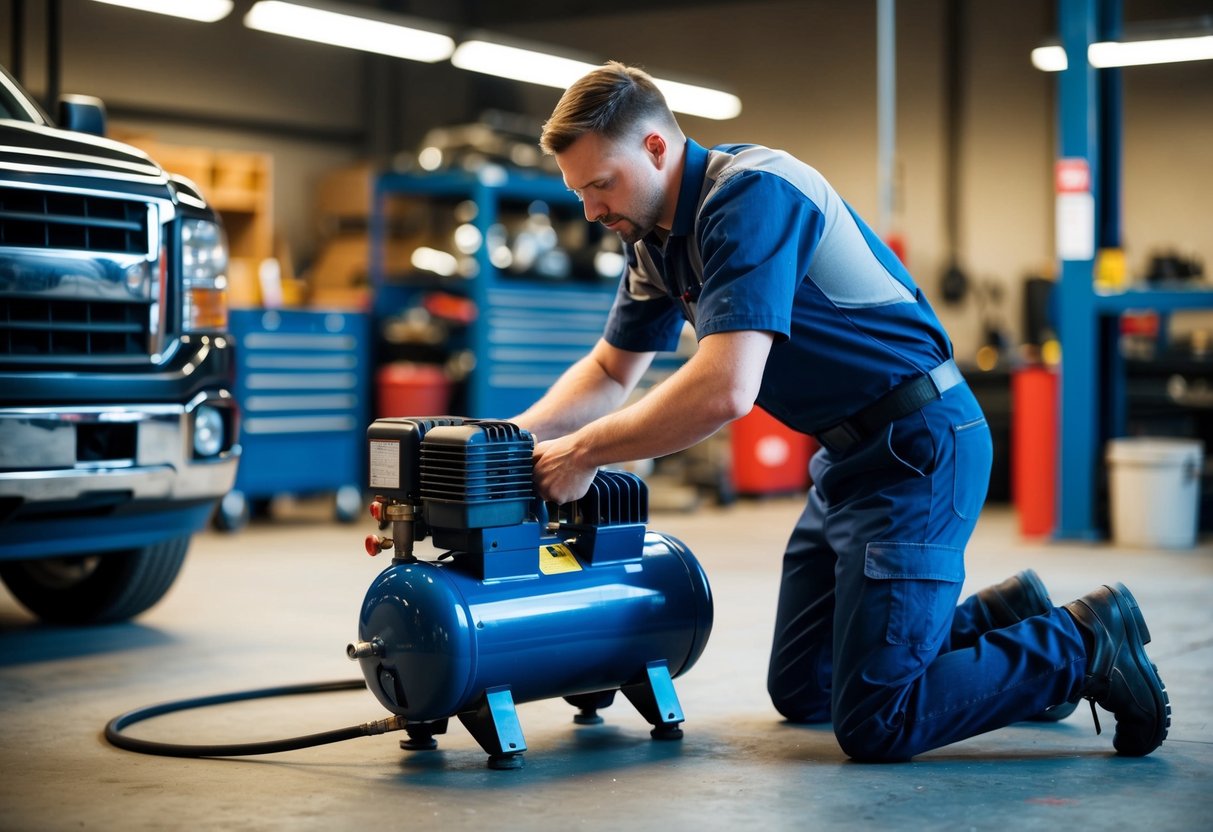
Proper maintenance is key to keeping your air compressor running efficiently. Regular upkeep helps reduce energy consumption and extends the life of your equipment.
Routine Maintenance Procedures
Check your air compressor’s oil level weekly. Change the oil every 3 months or 500 hours of use, whichever comes first. Clean or replace air filters monthly to maintain good airflow.
Inspect belts for wear and proper tension every month. Replace worn belts promptly to avoid breakdowns. Tighten loose bolts and fittings as needed.
Drain condensate from the tank daily to prevent rust. Clean the compressor’s exterior regularly to spot potential issues early.
Test safety valves monthly to ensure they work correctly. Lubricate moving parts as recommended in your owner’s manual.
Advanced Monitoring and Leak Detection
Use an ultrasonic leak detector to find small air leaks in your system. Fix leaks promptly to improve efficiency and reduce energy waste.
Install pressure gauges at key points in your air system. Monitor these regularly to spot pressure drops that may indicate leaks or other issues.
Consider adding a data logger to track your compressor’s performance over time. This can help you identify trends and optimize settings for better efficiency.
Conduct vibration analysis periodically to detect potential bearing problems before they cause breakdowns.
Long-term Efficiency and Cost Impacts
Investing in regular maintenance pays off through lower energy bills and fewer repairs. Well-maintained compressors use up to 10% less energy than neglected ones.
Keep detailed maintenance records to track costs and plan for replacements. This helps you budget for future expenses and avoid unexpected downtime.
Consider upgrading older compressors to more efficient models. While the upfront cost may be high, you’ll save money on energy and repairs in the long run.
Optimize your air system design to reduce pressure drops and improve overall efficiency. This may involve updating piping or adding storage tanks.
Train your staff on proper compressor use and basic maintenance. This helps prevent misuse and ensures small issues are caught early.
Frequently Asked Questions
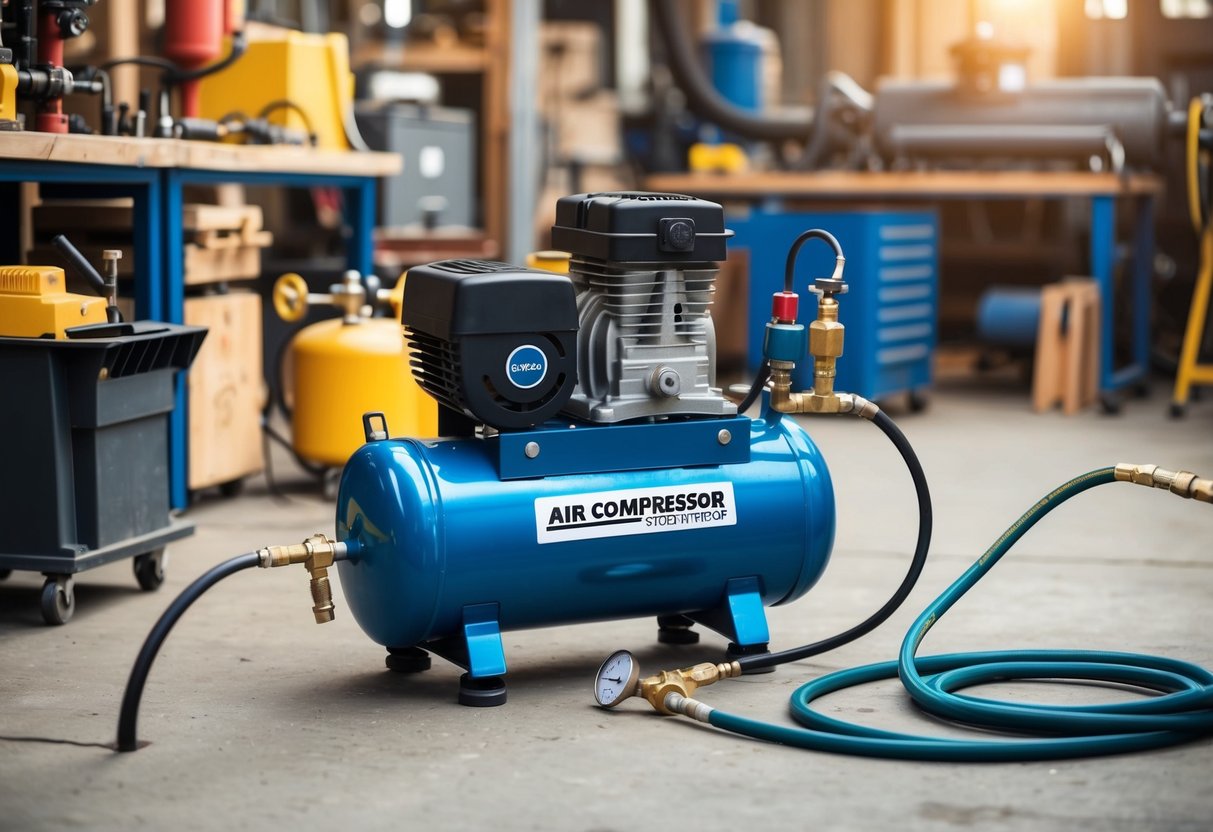
Air compressor efficiency impacts energy use, costs, and performance. The right compressor can save money and boost productivity. Let’s explore key questions about air compressor efficiency.
What characteristics define the top-performing air compressors available today?
Top air compressors have high efficiency ratings and low energy consumption. They use variable speed drives to match output to demand. Advanced cooling systems and low-friction components reduce heat and wear.
Quality seals and tight tolerances minimize air leaks. Smart controls optimize performance and prevent waste. The best compressors also offer heat recovery options to reuse waste heat.
How does compressor efficiency affect overall energy consumption?
Efficient compressors use less electricity to produce the same amount of compressed air. This lowers your energy bills significantly over time. Even small efficiency gains add up in high-use settings.
An efficient compressor reduces strain on electrical systems. It may allow you to downsize other equipment. Proper sizing is key – an oversized compressor wastes energy when not fully utilized.
What are the advantages of using a rotary screw compressor over other types?
Rotary screw compressors offer continuous airflow with minimal pulsation. They handle high-duty cycles well and provide consistent pressure. Rotary screws are very efficient for medium to large air demands.
These compressors have few moving parts, reducing maintenance needs. They run quietly compared to reciprocating types. Many rotary screw models include variable speed drives for optimal efficiency.
In terms of energy use, which compressor is most suitable for HVAC systems?
For HVAC, scroll compressors often provide the best efficiency. They offer smooth, pulse-free air delivery ideal for sensitive applications. Scroll compressors have few moving parts and low vibration.
These units excel at part-load efficiency, matching common HVAC demand patterns. Their compact size and quiet operation suit many HVAC installations. For larger systems, screw compressors may be more suitable.
What innovations in air compressor technology contribute to enhanced efficiency?
Advanced control systems optimize compressor performance in real-time. Variable speed drives precisely match output to demand. New motor designs reduce electrical losses.
Improved airend profiles increase compression efficiency. Better lubricants and seals minimize friction and air leaks. Heat recovery systems capture and reuse waste heat from compression.
How does one evaluate the efficiency of an air compressor for industrial applications?
Check the specific power rating (kW/100 CFM) to compare efficiency across models. Look for CAGI data sheets for standardized performance information. Consider both full-load and part-load efficiency.
Evaluate the compressor’s ability to match your air demand profile. Factor in maintenance requirements and expected lifespan. Calculate total cost of ownership, including energy use, over the compressor’s lifetime.


