


Essential Tools for On-the-Go Tire Maintenance
Portable air compressors for cars are handy tools that can save you time and money. These compact devices plug into your car’s power outlet or battery, making them easy to use anywhere. Portable tire inflators can quickly add air to your tires, helping you maintain proper pressure and improve fuel efficiency.
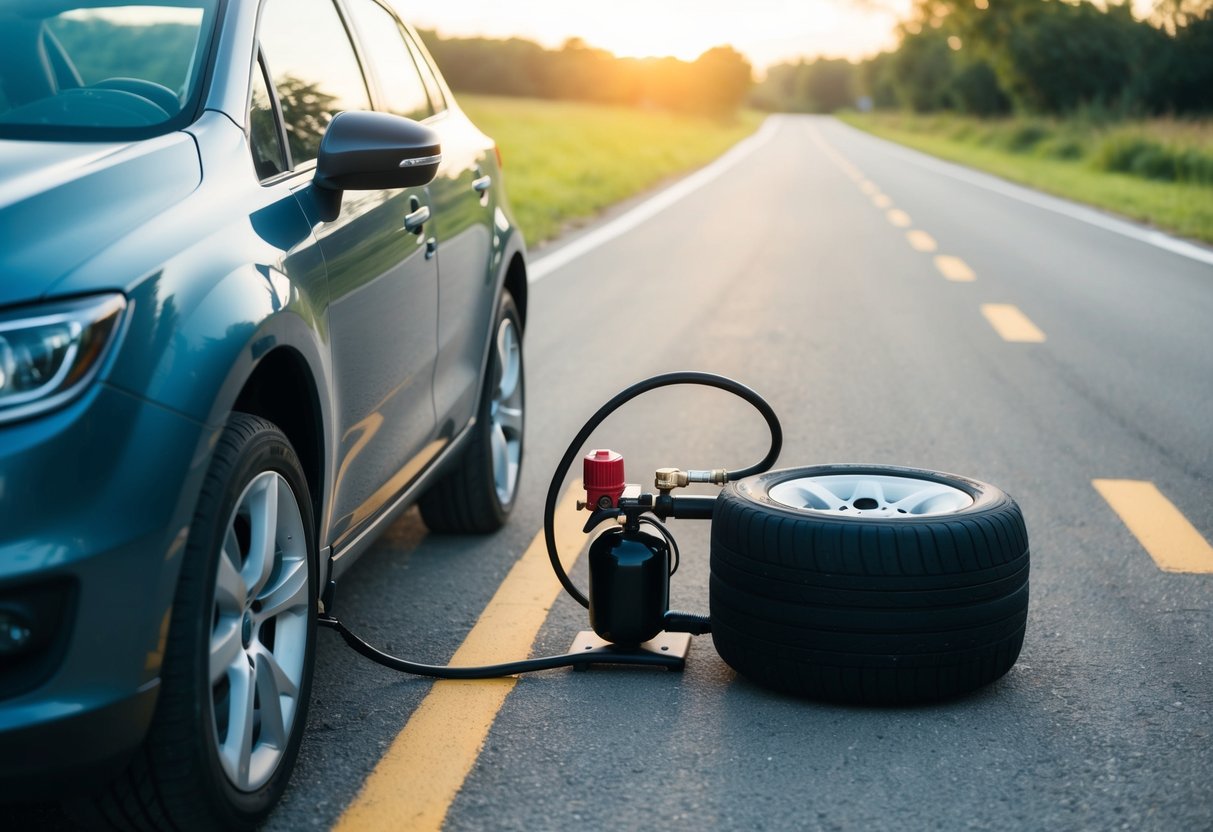
Having a portable air compressor in your car gives you peace of mind. You can fix a flat tire on the go without waiting for roadside assistance. Some models can even inflate sports equipment or air mattresses, making them useful for camping trips.
When choosing a portable air compressor, look for one that’s easy to use and store in your vehicle. Many modern inflators have digital displays and auto-shutoff features. This makes it simple to set the right pressure and avoid over-inflating your tires.
Key Takeaways
- Portable air compressors plug into your car for easy tire inflation anywhere
- Digital displays and auto-shutoff features make these tools simple to use
- Many portable inflators can also handle sports equipment and camping gear
Understanding Portable Air Compressors
Portable air compressors offer handy solutions for tire inflation and other tasks on the go. These compact devices pack power into small packages, making them ideal for car owners.
Advantages of Portable Models
Portable air compressors are light and easy to store in your car. You can use them anywhere, anytime. Many run on your car’s 12V power outlet or have built-in batteries.
These devices save you trips to the gas station for air. You can quickly fix a low tire at home or on the road. Some models can inflate other items too, like sports balls or bike tires.
Portable tire inflators often have preset pressure settings. This helps you avoid over-inflating your tires. Many also have built-in lights for nighttime use.
Types of Portable Air Compressors
There are two main types of portable air compressors for cars:
- Corded models: These plug into your car’s 12V outlet. They’re reliable but limited by cord length.
- Cordless models: These use rechargeable batteries. They offer more freedom but may have shorter run times.
Some portable compressors are made for specific tasks. Tire inflators focus on quick tire pressure adjustments. Multi-purpose models can handle various inflation jobs.
Max PSI is a key spec to check. Higher PSI units can handle larger tires or other high-pressure needs. Most car tires need 30-35 PSI, but some may require more.
Selecting the Right Air Compressor for Your Car
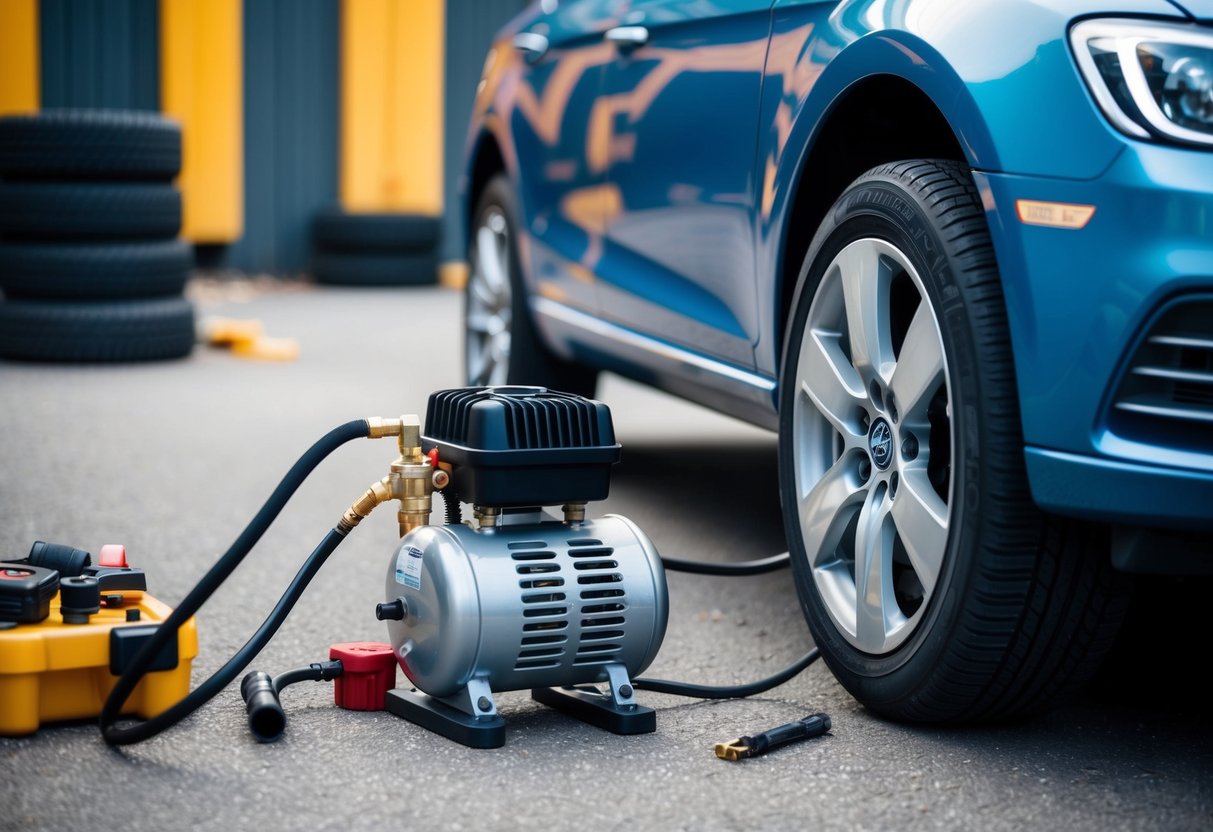
Picking the best portable air compressor for your car involves considering key features, inflation capabilities, and power options. These factors ensure you get a device that meets your specific needs.
Key Features to Look For
When shopping for a portable tire inflator, focus on these important features:
- Size and weight: Choose a compact, lightweight unit for easy storage and handling.
- Durability: Look for sturdy construction to withstand frequent use and travel.
- Accuracy: A built-in tire pressure gauge helps you inflate tires correctly.
- Auto shut-off: This feature prevents over-inflation by stopping at the preset pressure.
- Cord length: Ensure the power cord reaches all tires comfortably.
- Work light: An LED light aids nighttime use.
Additional useful features include multiple nozzle attachments, carrying case, and digital display. These add versatility and ease of use to your air compressor.
Understanding PSI and Inflation Speed
PSI (pounds per square inch) and inflation speed are crucial factors in air compressor performance:
- PSI: Most car tires need 30-35 PSI. Pick a compressor that exceeds your tire’s max PSI by at least 20%.
- Inflation speed: This is measured in liters per minute (L/min) or cubic feet per minute (CFM).
A higher PSI rating means the compressor can handle more demanding tasks. Faster inflation speeds save you time, especially for larger tires.
For example, the Viair 88P offers quick inflation rates, making it ideal for larger tires.
Power Options and Sources
Portable air compressors offer various power options to suit your needs:
- 12V DC (cigarette lighter): Most common, plugs into your car’s 12V outlet.
- Battery-powered: Cordless convenience, but limited run time.
- AC powered: Plugs into household outlets, less portable but more powerful.
- Dual power: Can use both 12V DC and household AC power.
Some models, like certain DeWalt air compressors, offer cordless operation using rechargeable batteries. This gives you flexibility when away from power sources.
Consider your typical usage scenarios when choosing a power option. If you often inflate tires at home, an AC-powered unit might work best. For on-the-go use, a 12V or battery-powered model is more practical.
Top Portable Air Compressor Brands and Models
Several reliable brands offer portable air compressors for your car. These devices provide quick tire inflation and come in various sizes and power options to suit your needs.
Avid Power Air Compressors
Avid Power makes compact and user-friendly tire inflators. Their 10V cordless model is popular for its portability. It has a built-in battery, freeing you from cords.
Key features: • Lightweight design • Digital pressure gauge • Auto shut-off when desired pressure is reached
The Avid Power inflator works well for car and bike tires. It can also inflate sports balls and pool toys. Keep in mind it may take longer to fill large truck tires.
Viair 88P and Competitors
The Viair 88P is a top choice for car enthusiasts. It’s known for its fast inflation and durability. The 88P connects directly to your car’s battery for power.
Competing models include: • AstroAI Portable Car Air Compressor • Teromas Handheld Corded Inflator • NOCO Air10
These options offer similar features like digital displays and various nozzle attachments. The AstroAI stands out for its budget-friendly price, while the NOCO Air10 boasts a sleek design.
Emerging Brands in the Market
New brands are entering the portable air compressor market with innovative features. The Milwaukee M18 Tire Inflator is gaining attention for its compatibility with Milwaukee’s power tool battery system.
The ARB CKMP12 is popular among off-road enthusiasts. It’s built for heavy-duty use and can handle larger tires.
Another noteworthy option is the AstroAI Pistol Grip inflator. Its ergonomic design makes it comfortable to use for extended periods. These newer models often include LED lights and more precise pressure control.
When choosing, consider factors like inflation speed, accuracy, and durability. Your specific needs will determine the best portable air compressor for your car.
Practical Tips for Using Portable Air Compressors
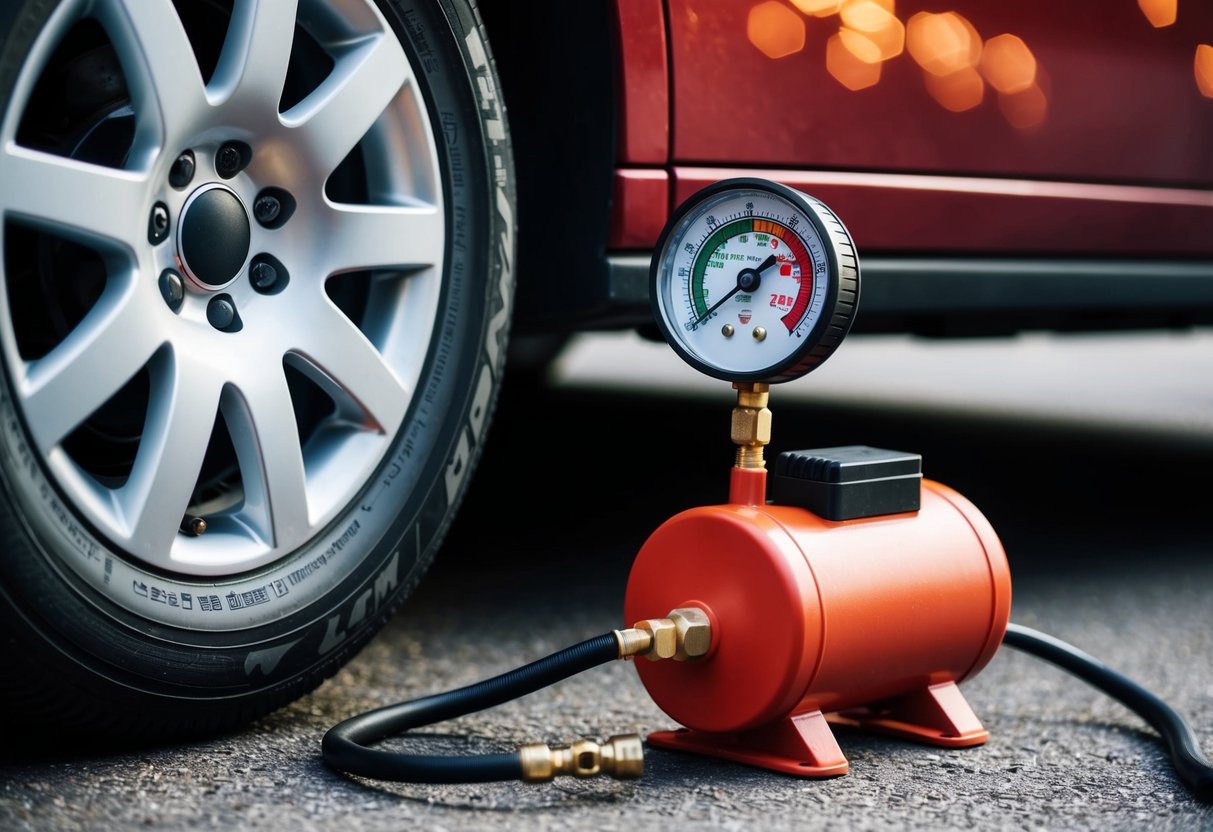
Portable air compressors are handy tools for inflating tires and other automotive needs. Proper use ensures optimal performance and safety.
Efficient Tire Inflation Procedures
To inflate your car tires efficiently, follow these steps:
- Check your tire’s recommended PSI in the owner’s manual or door jamb.
- Remove the valve cap and attach the compressor hose securely.
- Turn on the compressor and monitor the pressure gauge.
- Stop inflating when you reach the correct PSI.
- Replace the valve cap.
For faster inflation, use a cordless inflator with a rechargeable battery. These often have preset PSI functions for easy use.
Remember to check all four tires, including the spare. Proper inflation improves fuel efficiency and tire life.
Maintaining Your Portable Air Compressor
Regular maintenance keeps your compressor running smoothly:
- Clean the unit after each use to prevent dust buildup.
- Check and tighten any loose connections.
- Inspect the power cord for damage if using a 12-volt port model.
- Store in a cool, dry place to protect internal components.
For battery-powered models, charge fully before storage. This extends battery life and ensures the compressor is ready when you need it.
Lubricate moving parts as recommended by the manufacturer. This reduces wear and prolongs the compressor’s lifespan.
Troubleshooting Common Issues
If your compressor isn’t working properly, try these fixes:
- Slow inflation: Check for air leaks in the hose or connections.
- No power: Ensure the 12-volt port or battery has enough charge.
- Overheating: Give the compressor breaks during extended use.
- Strange noises: Tighten loose parts or check for internal damage.
For safety, never leave the compressor unattended while in use. If problems persist, consult the user manual or contact the manufacturer for support.
Regular checks and proper use will keep your portable tire inflator in top shape for years to come.
Safety Measures and Best Practices
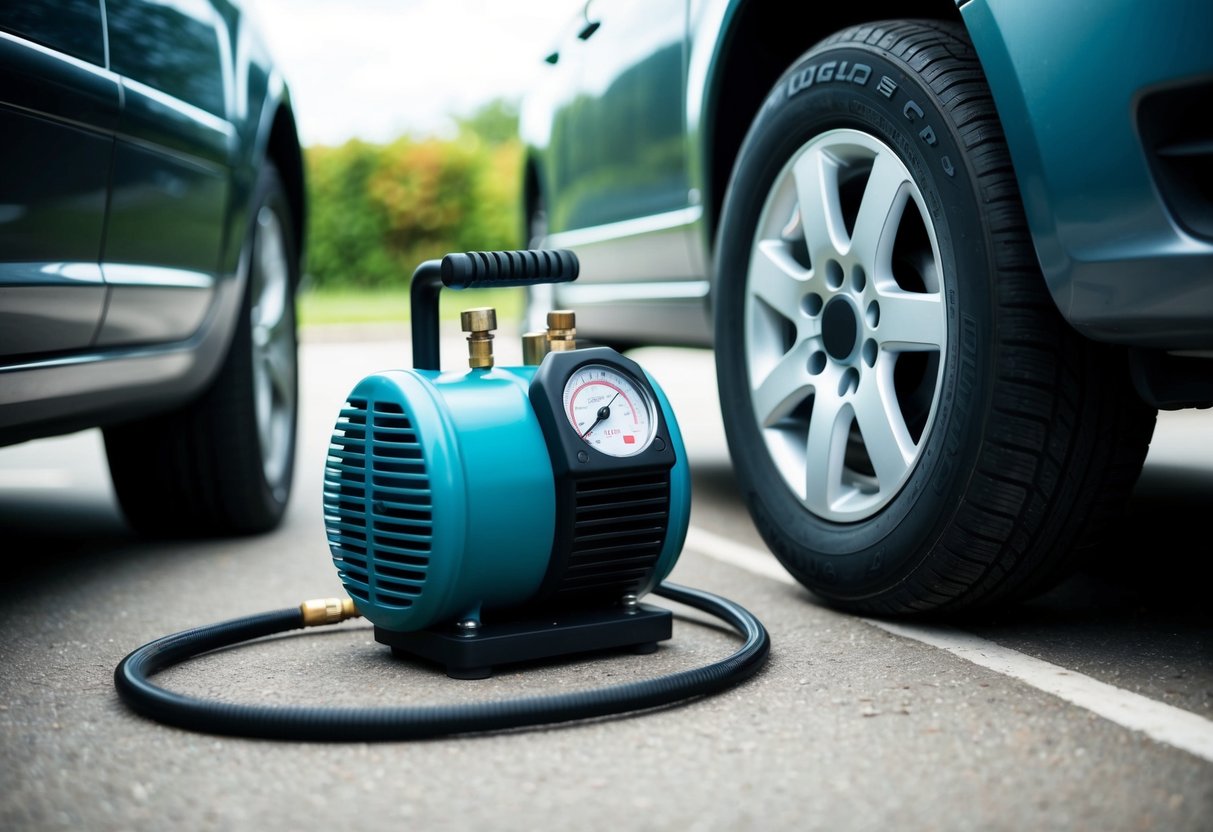
Using a portable air compressor for your car requires care and attention. By following key safety steps and being prepared, you can avoid problems and stay safe.
Operating Precautions
Always check the tire pressure before inflating. Use a tire pressure gauge to get an accurate reading. Don’t overinflate – stick to the pressure listed on your car’s door jamb or owner’s manual.
Keep the compressor on a flat surface when in use. This helps it work better and prevents tipping. Never leave the compressor running unattended.
Watch the digital display closely as you inflate. Many models have auto-shutoff features, but it’s best to monitor the pressure yourself. Stop inflating once you reach the right pressure.
Use the LED light if working at night. This improves visibility and safety. Wear safety glasses to protect your eyes from debris.
Emergency Preparedness
Always keep your portable compressor charged or fueled. Check it regularly, even if you haven’t used it in a while. A dead battery won’t help with a flat tire.
Learn how to use your compressor before you need it. Practice connecting it and inflating a tire in your driveway. This makes roadside use easier and less stressful.
Pack other emergency items with your compressor. Include reflective triangles, a flashlight, and a basic tool kit. Consider adding tire sealant for temporary puncture repairs.
Keep the compressor’s manual in your car. It has important info on troubleshooting and proper use. Save the customer service number in your phone in case you need help.
Innovative Features in New Portable Air Compressors
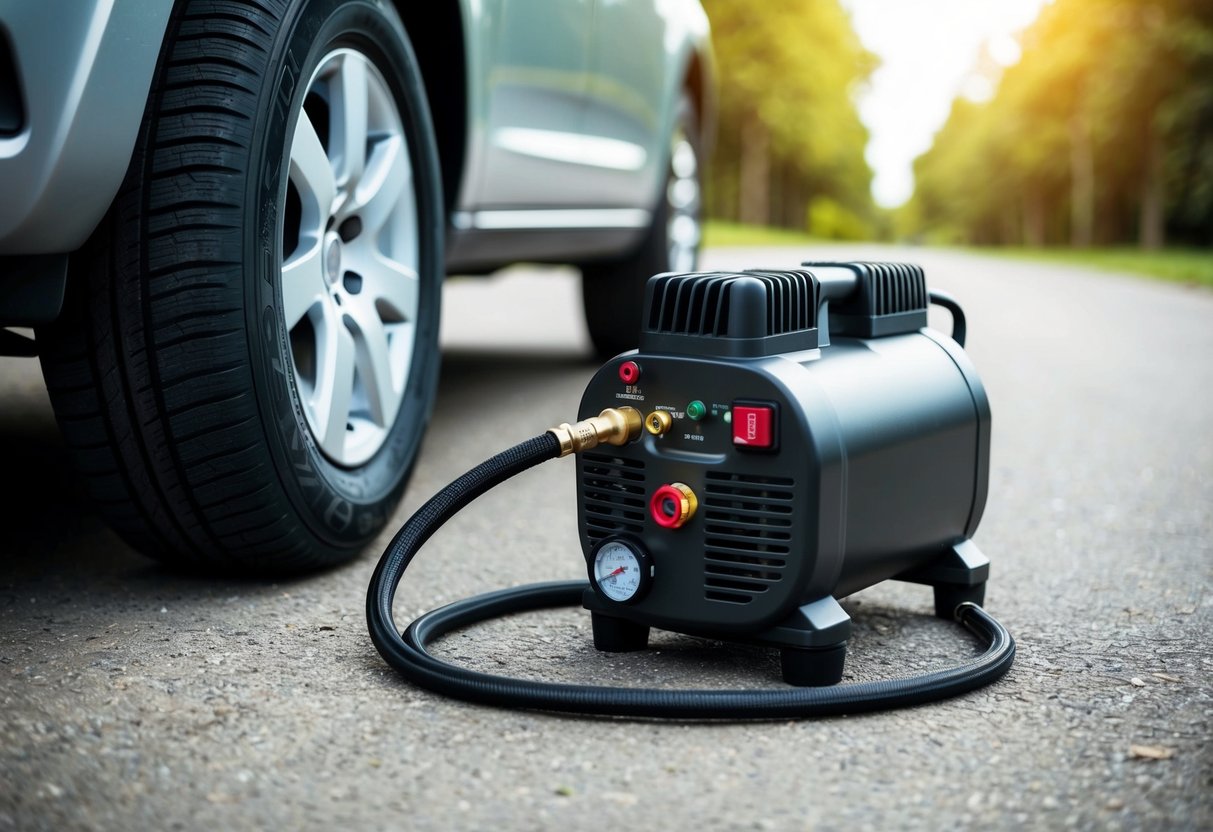
Modern portable air compressors now come with smart features that make tire inflation easier and safer. These upgrades improve accuracy, convenience, and usability in low-light conditions.
Digital Enhancements
New digital tire inflators offer precise pressure readings and auto shut-off. You can set your desired PSI, and the compressor will stop automatically when reached. This prevents over-inflation and saves time.
Some units have preset modes for different tire types. You simply choose car, bike, or sports equipment, and the compressor adjusts accordingly.
Digital displays show real-time pressure readings in large, easy-to-read numbers. This allows you to monitor inflation progress without stopping.
Many compressors now include memory functions. You can save preferred pressure settings for quick access later.
Cordless Convenience
Battery-powered inflators free you from searching for power outlets or cigarette lighter ports. You can use them anywhere, anytime.
USB-equipped batteries let you charge your phone while inflating tires. This dual-use feature is handy during roadside emergencies.
Some models use the same batteries as popular power tools. If you already own these tools, you can swap batteries for extended use.
Cordless units are often more compact and lightweight. This makes them easier to store in your trunk or carry to remote locations.
Lighting Solutions for Nighttime Use
Built-in LED flashlights help you see tire valves and read pressure gauges in the dark. This feature is crucial for nighttime emergencies.
Some compressors have 360-degree lighting. This illuminates your entire work area, making it safer to change tires at night.
Flashing red lights serve as emergency beacons. They alert other drivers if you’re stopped on the roadside.
Many units offer multiple light modes. You can choose between steady beams, flashing patterns, or SOS signals as needed.
Additional Uses Beyond Tire Inflation
Portable air compressors for cars offer more than just tire inflation. They can be handy tools for various activities and emergencies.
Versatility for Recreational Activities
Portable air compressors are great for outdoor fun. You can use them to inflate air mattresses for camping trips. They’re perfect for blowing up beach toys, pool floats, and sports balls too.
These devices can also help with bike tires. Whether you’re on a family cycling trip or a solo mountain bike adventure, a quick inflation is just a button press away.
For boating enthusiasts, portable compressors can inflate small watercraft like kayaks or rafts. This saves you time and effort at the shore.
Emergency Usage Scenarios
In roadside emergencies, a portable air compressor can be a lifesaver. If you get a slow leak in your tire, you can inflate it enough to reach a repair shop safely.
Some models double as portable jump starters, combining two essential emergency tools in one. This feature can be crucial if your battery dies in a remote area.
These devices can also power small air tools. This is useful for quick repairs on the go, like tightening loose parts or cleaning dusty areas of your car.
In winter, you can use the compressor to clear snow from your car’s crevices. This helps prevent ice buildup and makes your vehicle safer to drive.
Cost Considerations and Value Propositions
When buying a portable air compressor for your car, price and value are key factors. You’ll want to find a balance between affordability and quality while considering long-term benefits.
Balancing Price and Quality
Portable air compressors for cars come in a range of prices. Affordable options can start around $20-$30, while high-end models may cost over $100. Cheaper units might lack durability or power, but can still work for basic needs. Mid-range options often offer the best mix of features and reliability.
Look for these key features when comparing prices:
- Max PSI output
- Inflation speed
- Duty cycle
- Included accessories
Remember, the cheapest option isn’t always the most cost-effective in the long run. A slightly pricier model with better build quality could save you money on replacements.
Analyzing Long-Term Value
Think beyond the initial cost when choosing a portable air compressor. A user-friendly design with clear displays and easy controls can save you time and frustration. This becomes especially important during roadside emergencies.
Consider these factors for long-term value:
- Warranty length and coverage
- Battery life (for cordless models)
- Versatility for other inflation needs
- Durability and expected lifespan
Investing in a quality compressor can provide peace of mind and potentially lower costs over time. It may also offer added value through multi-use capabilities, like inflating sports equipment or air mattresses.
Frequently Asked Questions
Portable air compressors for cars offer convenient solutions for tire inflation and maintenance. They come with various features and capabilities to suit different needs.
What are the key features to look for in a portable air compressor for car tires?
When choosing a portable air compressor, look for a compact and lightweight design. You want it to be easy to store in your car.
Auto shut-off is another useful feature. It stops the compressor when it reaches the desired pressure.
A built-in pressure gauge helps you monitor tire inflation accurately.
How does a portable tire inflator operate compared to traditional air compressors?
Portable tire inflators are smaller and less powerful than traditional compressors. They’re designed for quick, on-the-go use.
Most portable inflators plug into your car’s 12V outlet or connect directly to the battery. This makes them easy to use anywhere.
Traditional compressors are usually larger and need a power outlet. They’re better for heavy-duty tasks.
What PSI level should a good portable tire inflator for cars offer?
A good portable tire inflator should offer at least 150 PSI. This is enough for most car tires.
Some high-end models can reach up to 200 PSI. These are good for larger vehicles or off-road tires.
Check your car’s manual for the recommended tire pressure. Make sure the inflator can reach this level easily.
Can all portable air compressors be used for different types of car tires?
Most portable air compressors can handle standard car tires. But not all are suitable for every tire type.
For larger tires, like those on trucks or SUVs, you need a more powerful compressor. Look for models with higher PSI and airflow rates.
Some compressors come with different nozzle attachments. These let you inflate various tire types more easily.
How do I determine the compatibility of a portable air compressor with my vehicle?
Check your vehicle’s tire size and recommended pressure. Make sure the compressor can meet these requirements.
Look at the compressor’s power source. Most use a 12V car outlet, but some need a direct battery connection.
Consider the length of the air hose. It should be long enough to reach all your tires easily.
What are the maintenance requirements for portable air compressors used in cars?
Keep your portable air compressor clean and dry. Wipe it down after each use.
Check the air filter regularly. Replace it if it gets dirty or clogged.
Inspect the power cord and air hose for damage. Replace them if you see any wear or tears.
Store the compressor in a cool, dry place when not in use. This helps prevent damage from heat or moisture.


