

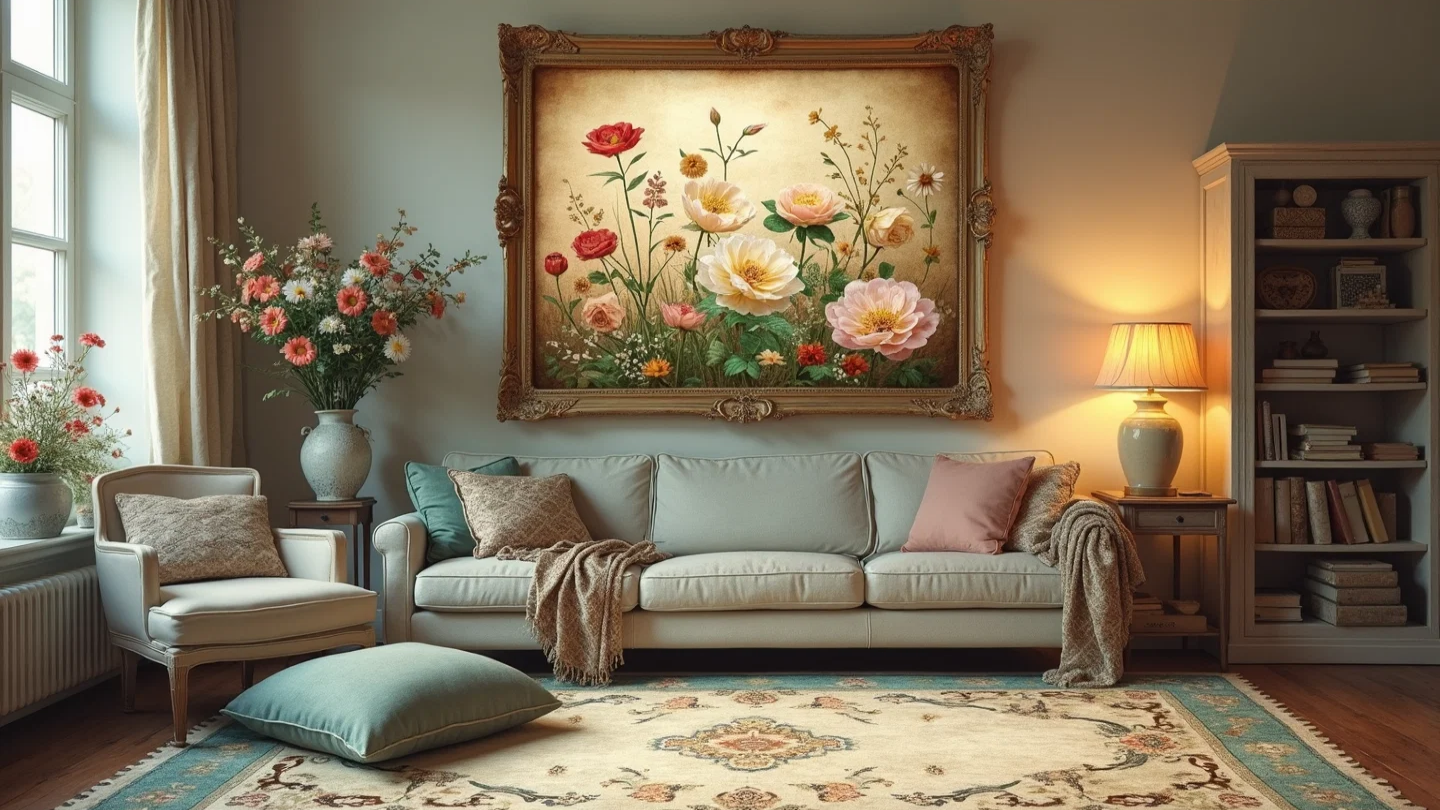
The Ultimate Guide – Transform Your Home’s Aesthetics and Coziness
Area rugs are more than just floor coverings. They can transform a room, add warmth, and define spaces in your home. A well-chosen area rug can tie together your décor, create visual interest, and make your living space more inviting and comfortable.
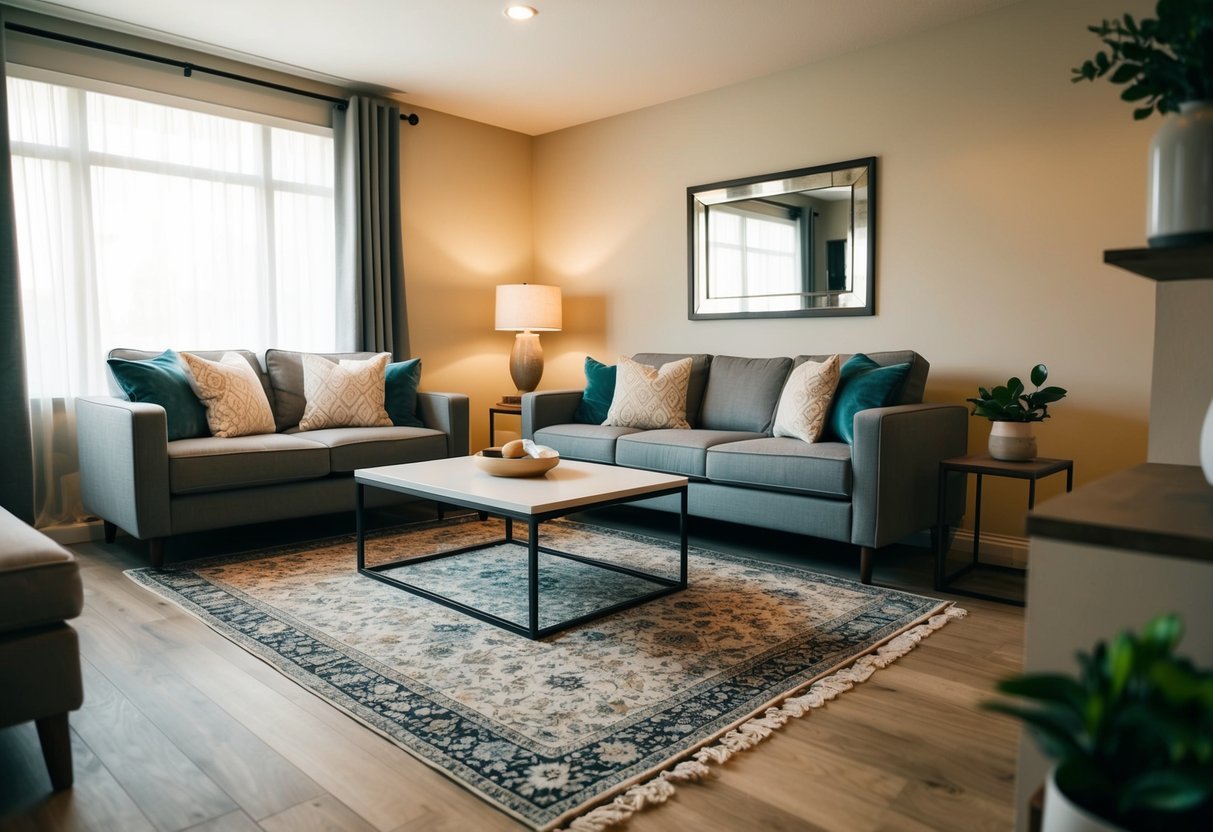
⁴When picking an area rug, think about the room’s size, your furniture layout, and the rug’s purpose. A large rug in the living room can anchor your seating area, while a smaller rug in the bedroom can add a cozy touch underfoot. The material matters too – wool rugs are durable and soft, while synthetic fibers are often easier to clean.
Don’t forget about style! Area rugs come in countless colors, patterns, and textures. You can use them to complement your existing décor or make a bold statement. Whether you prefer a classic Persian design or a modern geometric pattern, there’s a rug out there to suit your taste and enhance your home’s style.
Key Takeaways
- Area rugs can boost your home’s style, comfort, and functionality
- Choose the right size, material, and design for your specific space and needs
- Regular care and cleaning help maintain your rug’s beauty and longevity
The Importance of Area Rugs in Home Comfort and Style
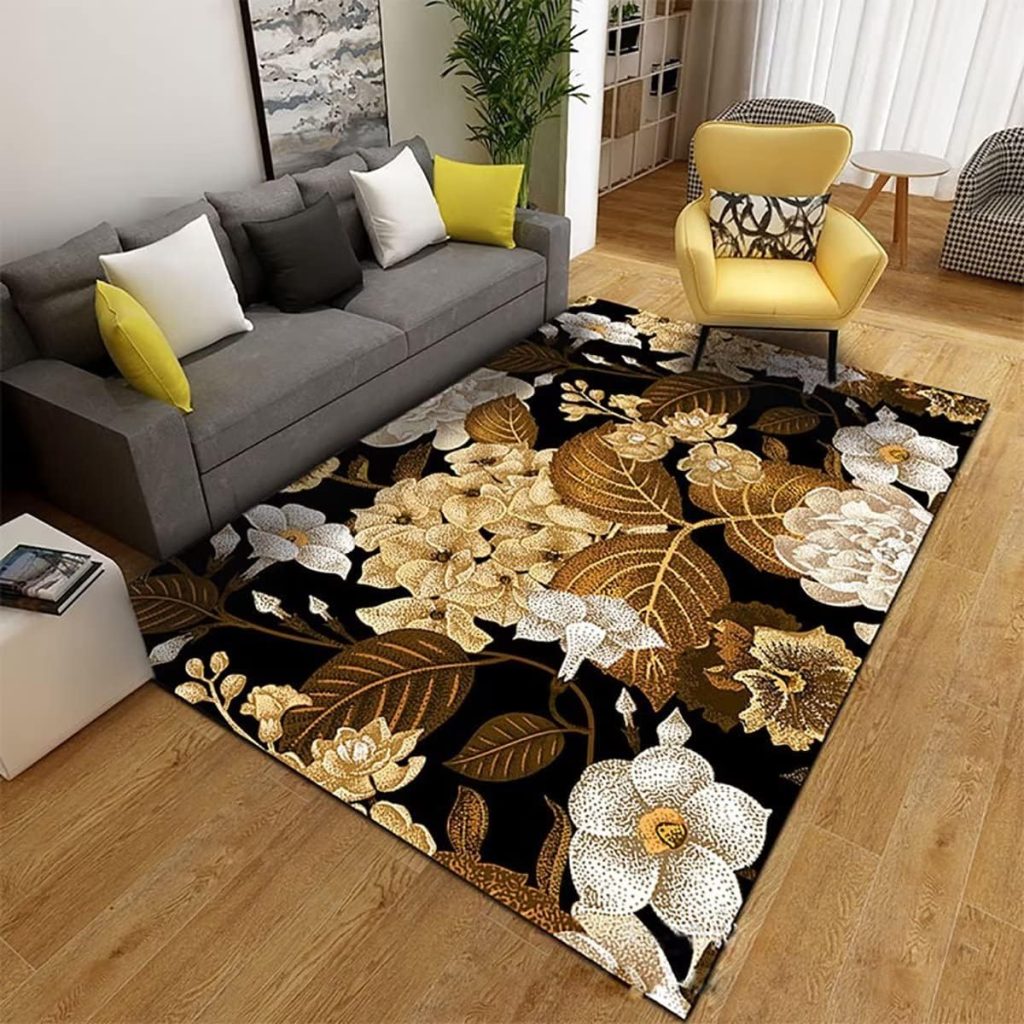

Area rugs play a key role in making your home cozy and stylish. They add warmth, reduce noise, and protect your floors while tying your decor together.
Defining Style Through Rugs
Area rugs are like artwork for your floors. They can set the tone for a room and create a focal point. You can use them to add color, pattern, and texture to your space.
Choose a rug that matches your style:
- Traditional: Persian or Oriental patterns
- Modern: Geometric shapes or solid colors
- Bohemian: Colorful, eclectic designs
Rugs can also help define spaces in open floor plans. Place a rug under your dining table or in your living area to create distinct zones.
Remember to pick the right size. A too-small rug can make your room feel off-balance. Aim for a rug that’s large enough to fit under the front legs of your furniture at least.
Comfort: More Than Just Softness
Area rugs do more than just look good – they make your home more comfortable too. Walking on a soft rug is much nicer than cold, hard floors.
Rugs add a layer of insulation to your home. This helps keep your feet warm in winter and can even lower your heating bills. They also absorb sound, making your space quieter and more peaceful.
Don’t forget about safety. Rugs can prevent slips on slick floors, especially important for young kids or older adults. They also protect your floors from scratches and wear.
Choose materials based on your needs:
- Wool: Soft and durable
- Cotton: Easy to clean
- Synthetic fibers: Resistant to stains
By picking the right rug, you can make your home more stylish, comfortable, and functional all at once.
Different Types of Area Rugs
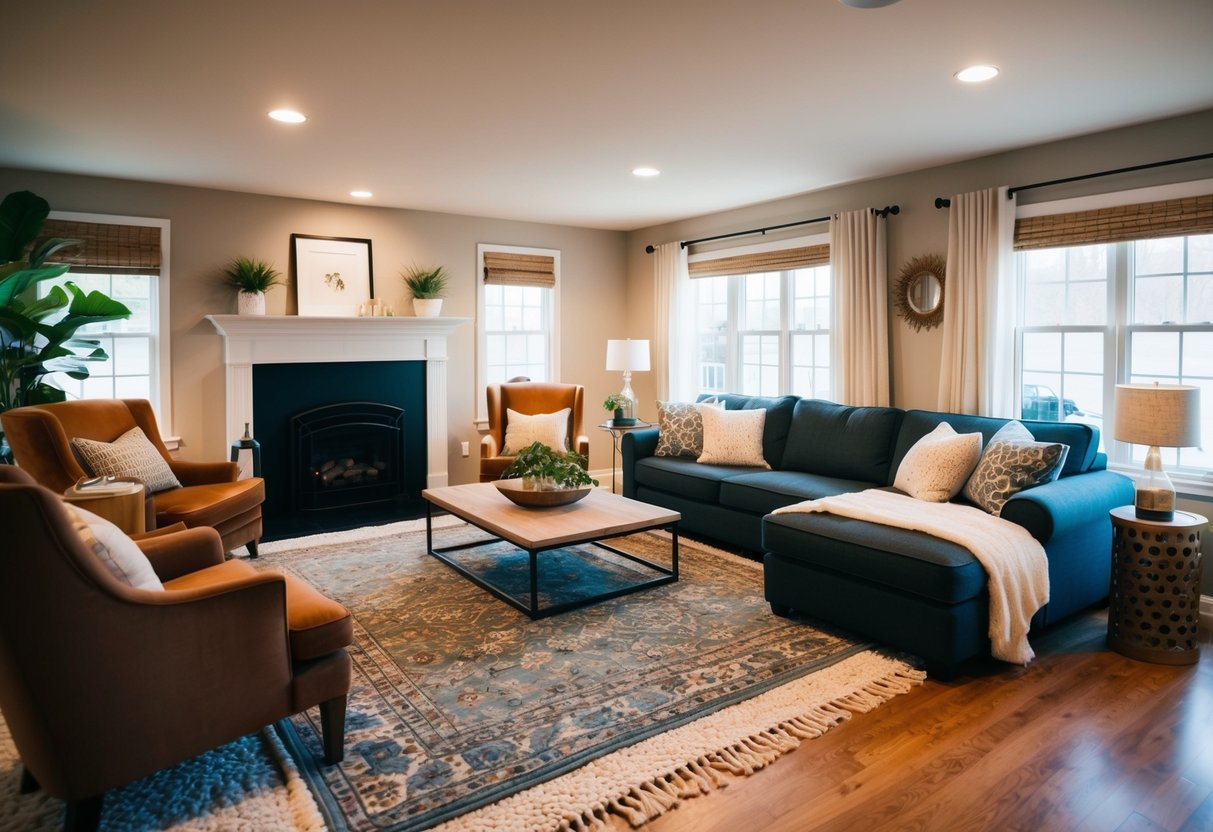
Area rugs come in a wide variety of materials, designs, and patterns. Each type offers unique benefits and style options to suit different preferences and needs.
Identifying Rugs by Material
Area rugs are made from many different materials, both natural and synthetic. Natural fiber rugs include wool, cotton, and silk. Wool rugs are durable and soft, making them great for high-traffic areas. Cotton rugs are lightweight and easy to clean. Silk rugs are luxurious but delicate.
Synthetic rugs are often more affordable and easier to maintain. These include nylon, polyester, and polypropylene. They resist stains and fading better than natural fibers.
Jute and sisal rugs offer a natural, earthy look. They work well in casual spaces but can be rough underfoot.
Exploring Rug Designs and Patterns
Rug designs range from traditional to modern. Persian and Oriental rugs feature intricate patterns and rich colors. They add elegance to formal spaces.
Modern rugs often have bold geometric shapes or abstract designs. These can make a strong statement in contemporary homes.
Shag rugs have a deep, plush pile that adds texture and warmth. They’re cozy in bedrooms but can be hard to clean.
Flatweave rugs like kilims and dhurries are thin and easy to move. They work well in dining rooms or as layering pieces.
Solid color rugs are versatile and can anchor a room’s color scheme. Patterned rugs add visual interest and can hide stains better.
Choosing the Right Rug for Your Space
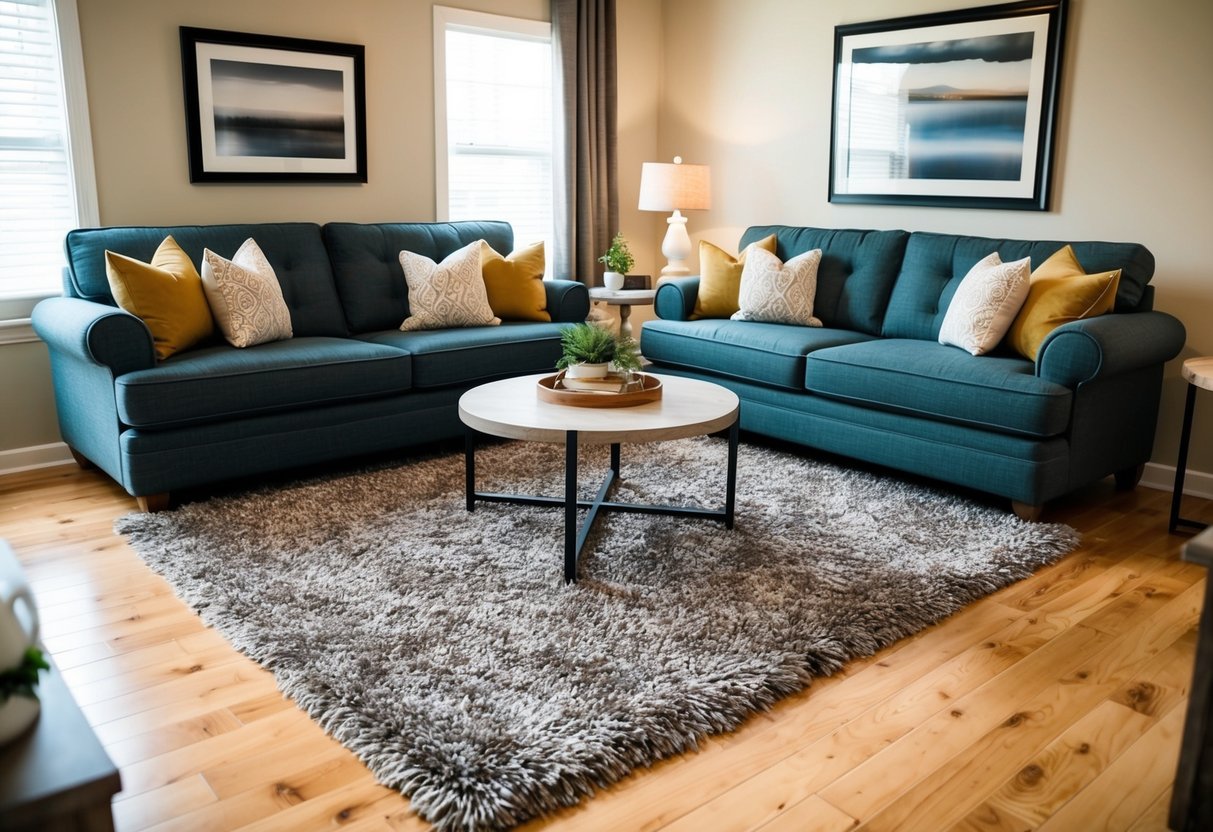
Picking the perfect area rug can make or break your room’s design. The right size and placement are key to creating a cohesive look that ties your space together.
Size and Proportion Matters
Choosing the right rug size is crucial for balance and harmony in your room. For living rooms, aim for a rug that’s large enough to fit under the front legs of your furniture. This creates a unified seating area.
In bedrooms, place a large rug under the bed, extending 18-24 inches on each side. For dining rooms, ensure your rug is at least 24 inches wider than your table on all sides.
Don’t forget to measure your space before shopping. A rug that’s too small can make a room feel disjointed, while one that’s too large can overwhelm the space.
The Art of Rug Placement
Rug placement is just as important as size when creating a polished look. In living rooms, center your rug in the seating area to anchor the space. Leave 12-18 inches of floor visible around the edges for a balanced look.
For bedrooms, place the rug under the bottom two-thirds of the bed. This gives you a soft landing spot when you wake up.
In open-concept spaces, use rugs to define separate areas. Place a rug under your dining table to create a distinct eating zone within a larger room.
Remember, there’s no one-size-fits-all rule. Trust your eye and adjust as needed to create a look you love.
Area Rug Practicality in High-Traffic Zones
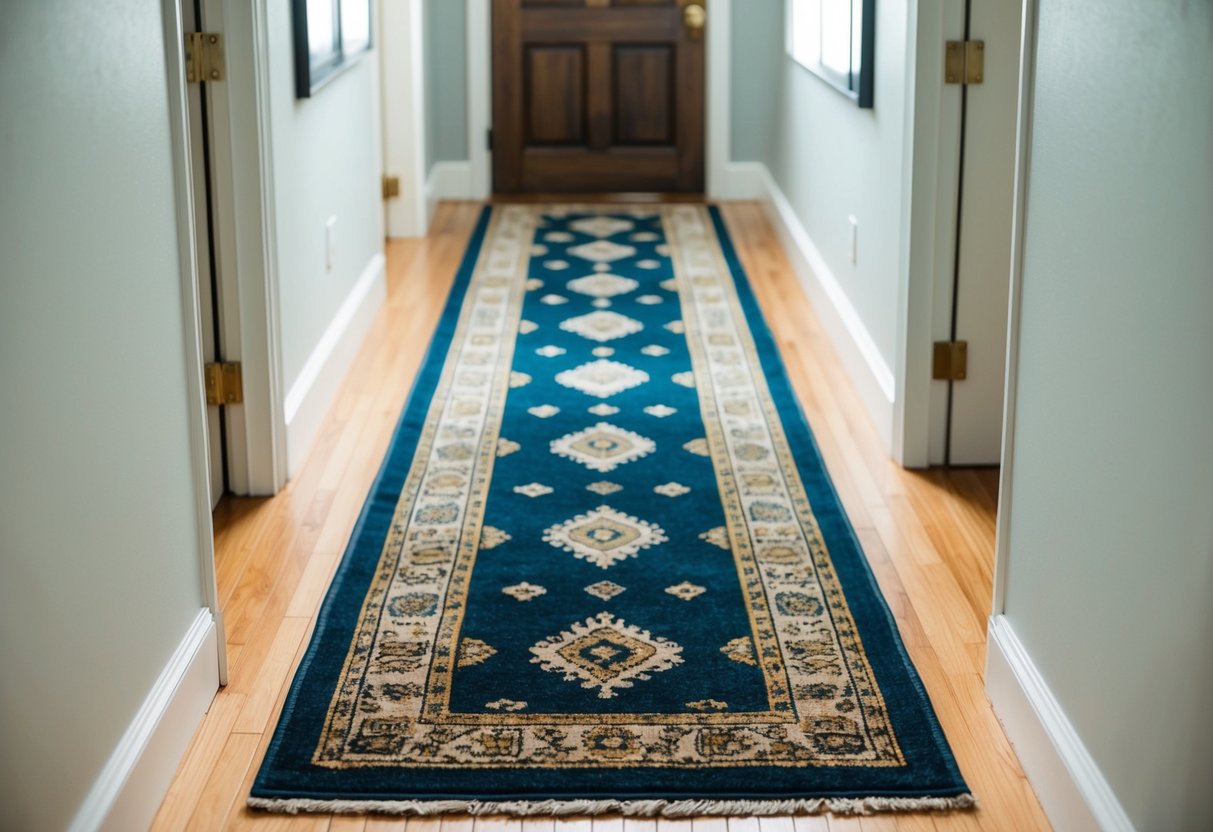
Area rugs can be both stylish and functional in busy areas of your home. Choosing the right rug and caring for it properly will help it withstand heavy foot traffic while enhancing your space.
Selecting Rugs for Durability
When picking rugs for high-traffic areas, focus on durable materials. Synthetic fibers like polyester and polypropylene are tough and easy to clean. Natural fibers such as wool and sisal also hold up well.
Look for low-pile rugs. These have shorter fibers that are less likely to get matted down. Flat-weave rugs are another good option for busy spots.
Consider darker colors or patterns. These hide dirt and stains better than light, solid-colored rugs. Multi-colored rugs are great at masking wear.
Runner rugs work well in hallways and entryways. They protect your floor and add style to narrow spaces.
Maintenance Tips for Preserving Rugs
Regular care keeps your rugs looking good longer. Vacuum high-traffic rugs at least twice a week. This removes dirt before it gets ground in.
Clean spills right away. Blot, don’t rub, to avoid spreading the stain.
Rotate your rug every few months. This helps it wear evenly.
Use rug pads. They provide cushioning and keep rugs in place, reducing wear.
For deep cleaning, hire professionals once a year. They can remove built-up dirt and refresh your rug’s appearance.
Consider using indoor/outdoor rugs in very high-traffic areas. These are made to withstand tough conditions and are super easy to clean.
Layering and Pairing Rugs for Enhanced Aesthetics
Layering rugs can transform your space, adding depth and visual interest. This technique allows you to play with textures, patterns, and colors to create a unique look.
Creating an Inviting Space with Layers
Layering rugs is a great way to add warmth and style to your home. Start with a large, neutral base rug made of natural fibers like jute or sisal. This will anchor your space and provide a solid foundation.
On top of the base, add smaller rugs with more personality. You can use different shapes to create contrast. For example, place a round rug over a square one.
Consider your furniture placement when layering. Make sure the edges of your rugs don’t interfere with door openings or create tripping hazards.
Experiment with overlapping rugs at different angles. This can add visual interest and help define separate areas within a larger room.
Combining Textures and Patterns
When pairing rugs, mix textures to create depth. Combine a flat-weave rug with a plush, high-pile one for an interesting contrast.
Don’t be afraid to mix patterns. Pair a neutral base rug with a patterned top layer for a bold look. Abstract patterns work well with geometric ones, creating a dynamic visual effect.
Consider the colors in your room when choosing rug combinations. Pick rugs that complement your existing decor or introduce new accent colors.
For a cohesive look, choose rugs with at least one color in common. This will tie the layers together and create a harmonious feel in your space.
Area Rug Care and Maintenance
Proper care keeps your area rugs looking great and lasting longer. Regular cleaning and quick action on spills are key to maintaining your rug’s beauty.
Routine Cleaning Strategies
Vacuum your area rug regularly to remove dirt and dust. Use a vacuum with adjustable height settings for different pile lengths. For delicate rugs, use a brush attachment or handheld vacuum.
Rotate your rug every few months to even out wear. This is especially important for rugs in high-traffic areas.
For washable rugs, follow care labels carefully. Many can be machine washed on a gentle cycle with cold water. Air dry flat to prevent shrinking or distortion.
Consider professional cleaning every 12-18 months for deep cleaning. This helps remove embedded dirt and refreshes your rug’s appearance.
Dealing with Spills and Stains
Act fast when spills happen. Blot the area with a clean cloth to absorb as much liquid as possible. Don’t rub, as this can spread the stain and damage fibers.
For water-soluble stains, mix a few drops of mild dish soap with cold water. Gently blot the stain with this solution using a soft brush or cloth. Rinse thoroughly with clean water and blot dry.
For tougher stains, try a mix of equal parts water and white vinegar. Apply to the stain, let sit briefly, then blot and rinse.
Always test cleaning solutions on a small, hidden area first to check for colorfastness. For valuable or antique rugs, consult a professional cleaner to avoid damage.
Rug Accessories and Safety
Rug accessories and safety features are key to getting the most out of your area rugs. They help keep your rugs in place and make them last longer.
The Importance of Anti-Slip Pads
Rug pads offer many benefits, including making your rugs safer. Anti-slip pads keep rugs from moving around, which can prevent trips and falls. This is extra important if you have kids, older adults, or pets in your home.
Anti-slip pads also help protect your floors. They act as a buffer between the rug and the floor, reducing wear and tear. Plus, they can make your rug feel softer and more plush underfoot.
When choosing an anti-slip pad, pick one that fits your rug size. Make sure it’s made for your type of flooring to avoid damage.
Additional Accessories for Rugs
There are other accessories that can help you care for and enjoy your rugs:
- Rug grippers: These stick to the corners of your rug to keep it flat.
- Rug tape: This helps secure the edges of your rug to prevent curling.
- Furniture coasters: Place these under heavy furniture to prevent dents in your rug.
- Rug brushes: Use these to keep your rug clean and fluffy.
For high-traffic areas, consider rug runners. They protect your main rug while adding style. In damp areas, use a rug pad with moisture protection to prevent mold and mildew.
Remember, the right accessories can make your rugs safer, more comfortable, and longer-lasting.
Innovations in Rug Materials and Manufacturing
Rug making has seen big changes in recent years. New materials and methods are making rugs better, more eco-friendly, and easier to clean.
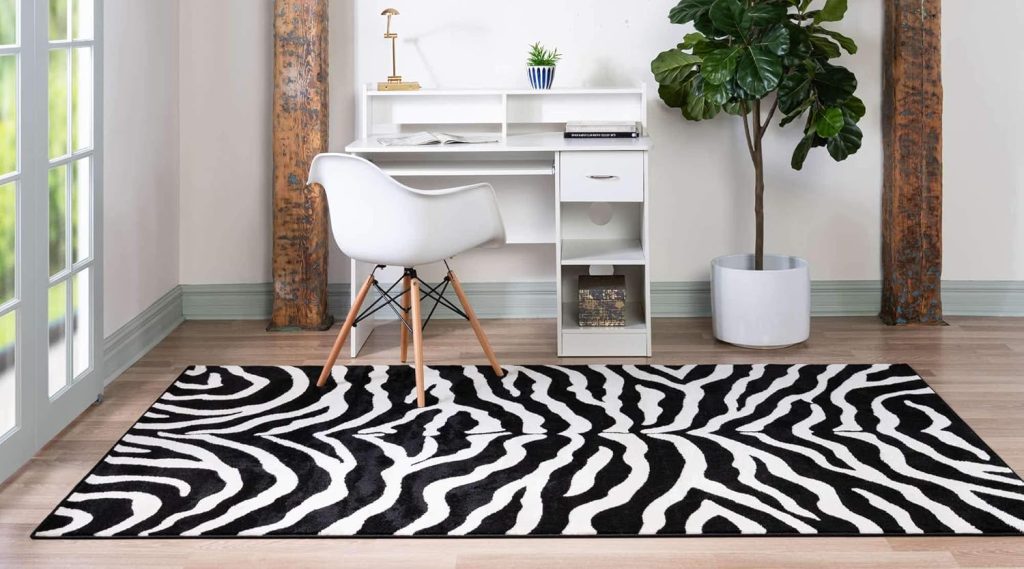
Advancements in Synthetic Rug Technology
Synthetic rugs have come a long way. They now look and feel more like natural fiber rugs. New types of nylon and polyester are stronger and softer than ever. These rugs resist stains and fading better too.
Some new synthetic rugs use recycled plastic bottles. This helps cut down on waste. You can find these rugs in many styles and colors. They’re great for busy homes with kids or pets.
Smart rugs are another cool new thing. These high-tech rugs can do things like:
- Change color with an app
- Light up when you walk on them
- Track your steps
Eco-Friendly Rug Solutions
Green rugs are getting more popular. Many people want rugs that are good for the planet. Natural fiber rugs like jute, sisal, and seagrass are eco-friendly choices. They’re tough and look great in many rooms.
Some companies now make rugs from plant-based materials. These include corn fibers and bamboo. These rugs break down easily when thrown away.
New dyes are also better for the earth. They use less water and fewer harsh chemicals. This means less pollution from rug making.
Rug makers are finding ways to use less energy too. Some use solar power in their factories. Others have found ways to save water when cleaning rugs.
Selecting Rugs for Outdoor Spaces
Outdoor rugs can make your patio or deck more cozy and stylish. They add color and comfort to your outdoor living areas. Let’s look at how to choose the right outdoor rug for your space.
The Functionality of Outdoor Rugs
Outdoor rugs serve many purposes. They help define seating areas and create an inviting space for relaxing or entertaining. These rugs can also protect your deck or patio surface from scratches and stains.
When picking an outdoor rug, think about its size and shape. A large rug can tie together a whole seating area. Smaller rugs work well under tables or in cozy corners. Round rugs soften square spaces, while rectangular rugs fit nicely under most patio furniture.
Look for rugs that are easy to clean. Many outdoor rugs can be hosed off or spot cleaned. This makes it simple to keep them looking fresh all season long.
Material Considerations for Outdoor Use
The right material is key for an outdoor rug. You need something that can stand up to sun, rain, and heavy use. Polypropylene rugs are a popular choice. They resist fading, mold, and mildew.
Other good options include:
- Nylon: Durable and easy to clean
- Polyester: Resists stains and fading
- Jute or Sisal: Natural fibers for a more eco-friendly choice
Avoid materials like wool or cotton for outdoor use. They can rot or mildew when exposed to moisture.
Look for rugs labeled as “indoor/outdoor” to ensure they can handle the elements. These rugs often dry quickly and resist UV damage.
Frequently Askedx Questions
Area rugs can transform a space, but they often raise questions about sizing, care, and selection. Here are some common queries to help you make informed decisions about area rugs for your home.
How do you determine the appropriate size of an area rug for a living room?
The right size rug for your living room depends on your furniture layout. For most rooms, you’ll want a rug that’s large enough to fit under all furniture legs. This usually means a rug that’s at least 8×10 feet or larger.
Leave about 12-18 inches of floor space between the rug edge and walls. This creates a balanced look and avoids a cramped feel.
What are the benefits of using area rugs in interior design?
Area rugs offer both style and function. They add color, pattern, and texture to a room, tying together your decor. Rugs also define spaces within larger rooms, creating visual boundaries.
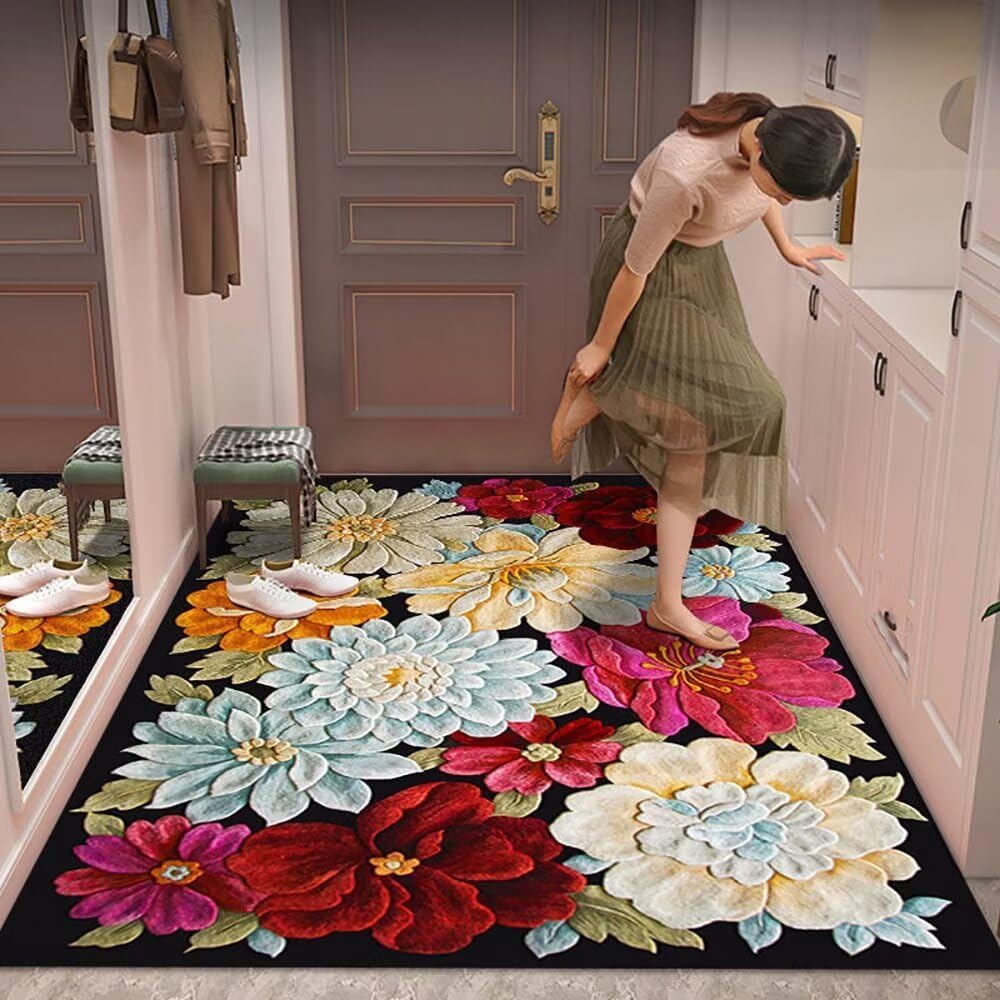
On a practical level, rugs provide comfort underfoot and reduce noise. They can also protect your floors from scratches and wear.
How can you effectively clean and maintain an area rug?
Regular vacuuming is key for rug maintenance. Aim to vacuum at least once a week, or more in high-traffic areas. For deeper cleaning, use a rug shampoo or hire a professional cleaner yearly.
Rotate your rug every few months to ensure even wear. Address spills immediately by blotting, not rubbing, to prevent stains from setting.
What are the current trends in area rug materials and patterns?
Natural fibers like wool and cotton remain popular for their durability and softness. Sustainable materials like jute and sisal are gaining traction too.
Pattern-wise, geometric designs and abstract prints are trending. Vintage-inspired patterns with a modern twist are also in vogue.
How do you choose an area rug that complements the color scheme of a room?
Consider your existing color palette when selecting a rug. You can either match the dominant colors in your room or choose a contrasting hue for visual interest.
If your furniture and walls are neutral, a colorful rug can be a great focal point. For rooms with bold colors, a more subdued rug can balance the space.
Can area rugs be used on top of wall-to-wall carpeting, and if so, how?
Yes, you can use area rugs over carpeting. Choose a rug with a low pile to avoid a bulky look. Secure the rug with double-sided tape or a non-slip pad to prevent shifting.
Layering rugs can add texture and define spaces within a carpeted room. It’s a great way to update your decor without replacing the carpet.
Disclosure
As an Amazon Associate, I earn from qualifying purchases. This means that if you click on an Amazon link and make a purchase, I may receive a small commission at no additional cost to you. Your support helps me continue creating valuable content and sharing my knowledge with you. I appreciate your trust and strive to provide helpful information to assist you in making informed decisions.


