

Beyond the Basics – Essential Tools for Culinary Mastery
Specialty knives open up a world of culinary possibilities. They go beyond basic kitchen tools, letting you work with more precision and skill. Each knife is made for a specific job, making cooking tasks easier and more enjoyable.
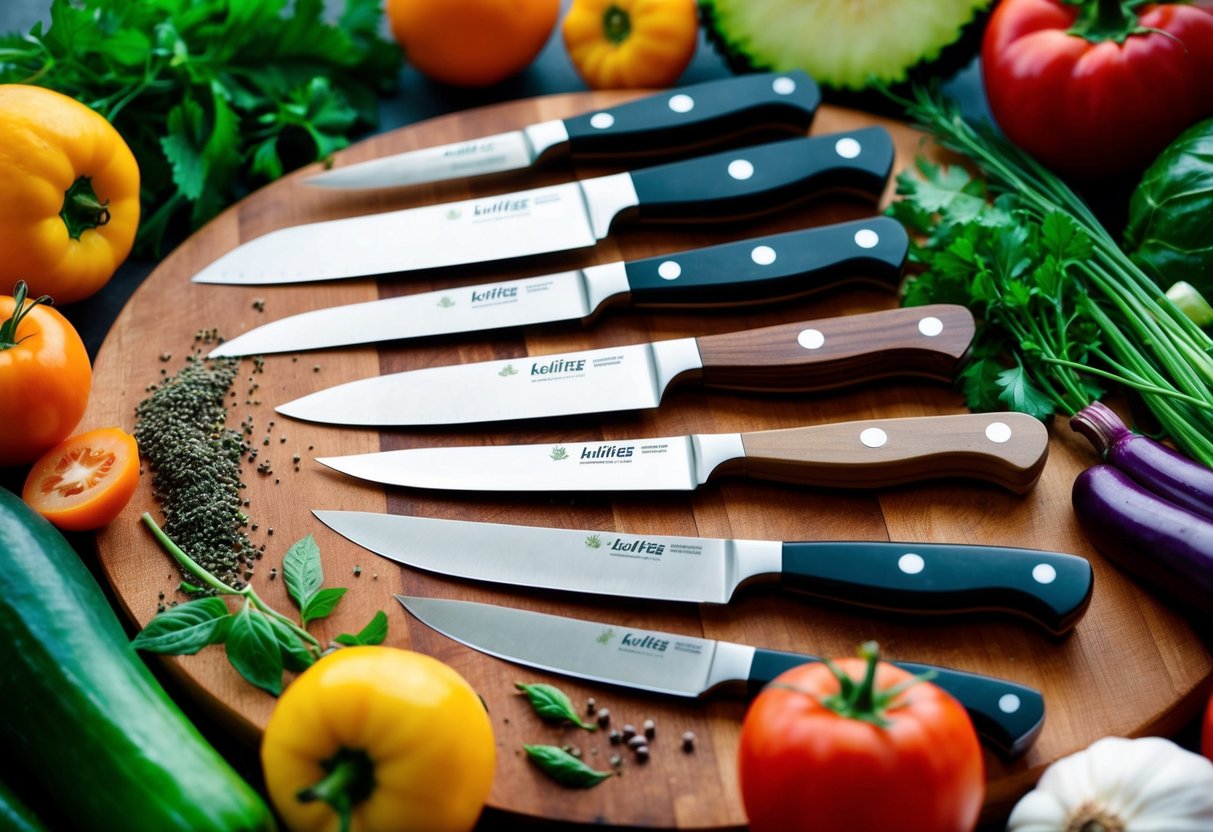
Specialty knives can take your cooking to new heights by allowing you to work with a wider range of ingredients and techniques. From the versatile Santoku knife to the precise fillet knife, each tool has a unique purpose. These knives can help you slice, dice, and chop with greater ease and accuracy.
Adding specialty knives to your kitchen doesn’t just improve your cooking – it can make the whole process more fun. You’ll find yourself trying new recipes and techniques as you explore what each knife can do. Whether you’re filleting fish or shucking oysters, the right knife makes all the difference.
Key Takeaways
- Specialty knives are designed for specific tasks, enhancing precision and efficiency in the kitchen
- Investing in quality specialty knives can greatly expand your culinary capabilities
- Regular practice and proper care of your knives are key to improving your cooking skills
Understanding Knife Basics
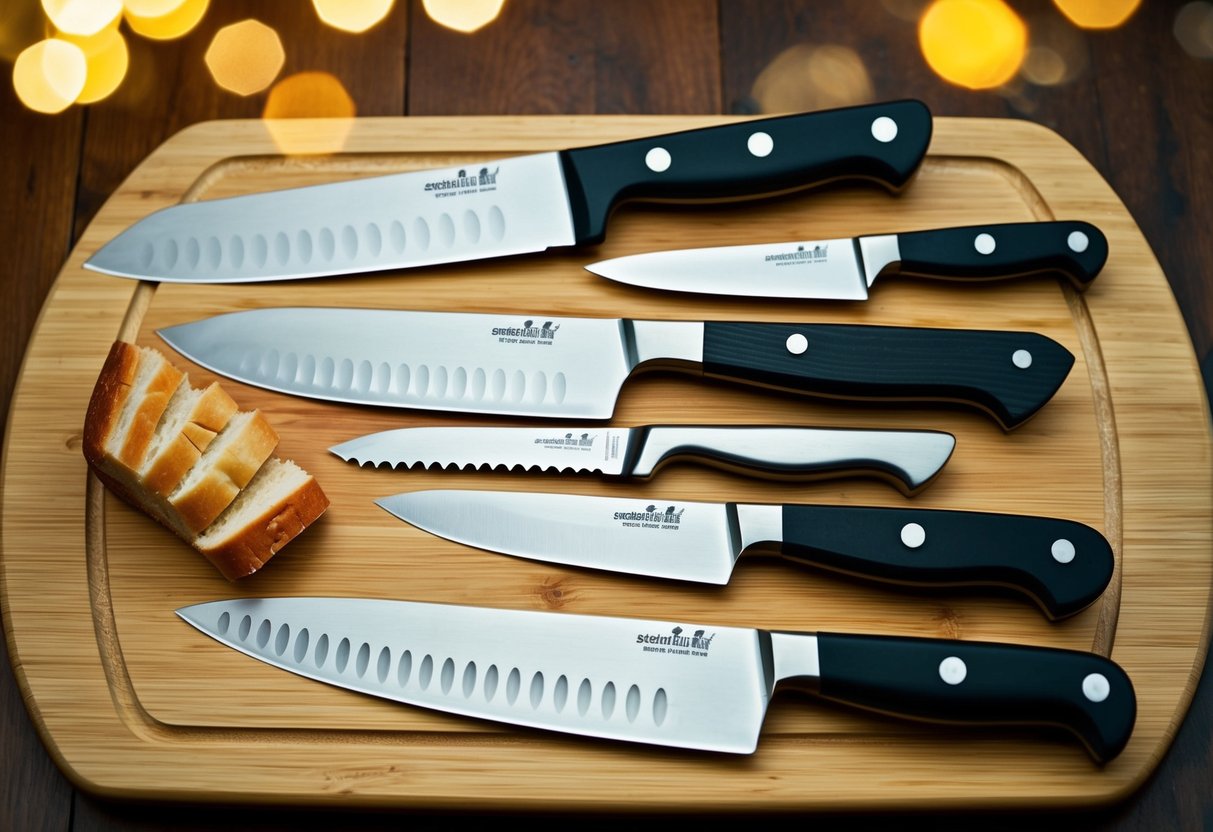
Knives are essential tools in any kitchen. They come in various types and have specific parts that contribute to their function and performance.
Types of Kitchen Knives
Kitchen knives come in many shapes and sizes, each designed for specific tasks. The chef’s knife is a versatile tool with a broad blade and slightly curved edge. It’s great for chopping, slicing, and dicing.
For precise cuts, you might use a paring knife. Its small size makes it perfect for peeling fruits or deveining shrimp.
The santoku knife is a Japanese-style knife that excels at slicing, dicing, and mincing. Its flat edge and wide blade make it ideal for vegetables.
Other common types include bread knives, utility knives, and boning knives. Each has unique features that help with specific cooking tasks.
Knife Anatomy and Terminology
Understanding knife parts helps you choose and use knives better. The blade is the cutting part of the knife. It can be made from various materials like stainless steel or carbon steel.
The edge is the sharpened part of the blade that does the cutting. It can be straight, serrated, or scalloped.
The handle is where you grip the knife. It’s often made of wood, plastic, or metal.
The bolster is the thick part between the handle and blade. It adds weight and balance to the knife.
The tang is the part of the blade that extends into the handle. Full tang knives are generally stronger and more durable.
Specialty Knives and Their Uses
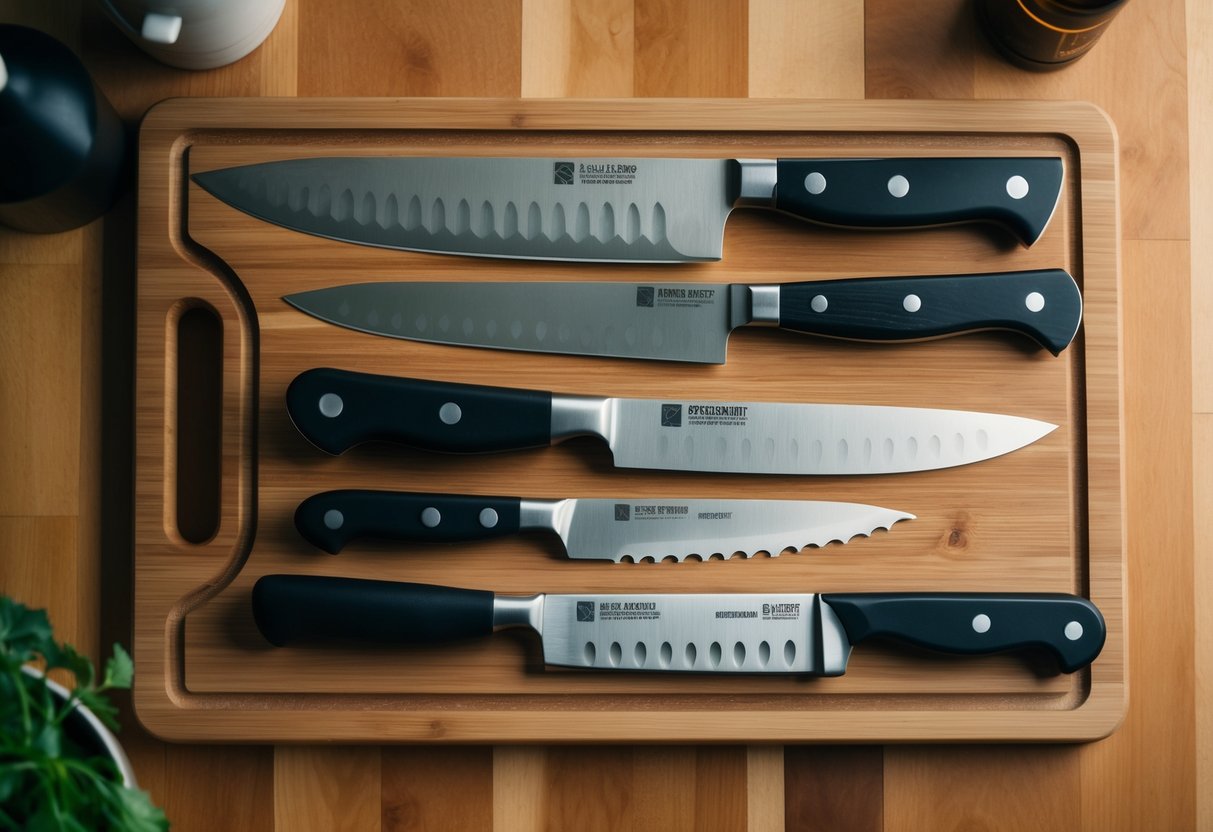
Specialty knives offer unique features for specific culinary tasks. These tools can make your kitchen work easier and more precise. Let’s explore some popular specialty knives and their uses.
Paring Knives: Peeling and Slicing Small Produce
Paring knives are small but mighty. You’ll find them useful for detailed work with fruits and vegetables.
These knives typically have a 3-4 inch blade. The short length gives you better control for intricate tasks.
Use a paring knife to:
- Peel apples or potatoes
- Remove seeds from peppers
- Cut small garnishes
- Hull strawberries
The pointed tip helps with precision work. You can easily remove blemishes from produce or create decorative cuts.
Bread Knives: Cutting Through Crusts and Crumbs
Bread knives have long, serrated blades. This design helps you slice through crusty loaves without squashing the soft inside.
Key features of bread knives:
- 8-10 inch blade length
- Saw-like serrated edge
- Offset handle for knuckle clearance
Use gentle sawing motions when cutting bread. Let the knife do the work. This technique preserves the bread’s shape and texture.
Bread knives aren’t just for bread. Try them on:
- Ripe tomatoes
- Cakes with delicate frosting
- Large melons
Santoku and Chef’s Knives: Versatile Cuts
Santoku and chef’s knives are all-purpose workhorses. They handle a wide range of kitchen tasks with ease.
Santoku knives have:
- A shorter, wider blade than chef’s knives
- A flat edge for push-cutting
- A rounded tip
Chef’s knives feature:
- A longer, curved blade
- A pointed tip for precision work
- A versatile design for rocking cuts
Both excel at:
- Chopping vegetables
- Slicing meats
- Mincing herbs
Choose based on your hand size and cutting style. Many cooks enjoy having both in their kitchen arsenal.
Boning Knives: Deboning Meats with Precision
Boning knives have thin, flexible blades. This design allows you to maneuver around bones and joints easily.
Key features:
- 5-7 inch blade length
- Narrow blade profile
- Sharp, pointed tip
Use boning knives to:
- Remove bones from chicken, beef, or fish
- Trim fat from meat cuts
- Butterfly pork chops or chicken breasts
The flexibility of the blade helps you make clean cuts close to the bone. This reduces waste and saves you money on meat prep.
Carving Knives and Cleavers: From Roasts to Chops
Carving knives and cleavers handle larger cuts of meat with ease.
Carving knives have:
- Long, slender blades (8-14 inches)
- A sharp, pointed tip
- A straight or slightly curved edge
Use them for:
- Slicing roasts or turkeys
- Carving ham
- Portioning large fish
Cleavers feature:
- A wide, rectangular blade
- A heavy design for chopping through bone
- A flat side for crushing garlic or ginger
Cleavers excel at:
- Cutting through chicken bones
- Chopping large vegetables
- Tenderizing meat
Cheese and Steak Knives: Serving in Style
Cheese knives come in various shapes for different cheese types. Common features include:
- Holes in the blade to prevent sticking
- Forked tips for picking up slices
- Short blades for control
Steak knives have:
- Serrated or straight edges
- Sharp points for cutting through meat
- Comfortable handles for dining
Both add elegance to your table setting while serving their specific purposes.
Specialty Asian Knives: Tradition Meets Modern Kitchens
Asian specialty knives bring unique designs to your kitchen.
Some popular types include:
- Nakiri: Rectangular blade for chopping vegetables
- Deba: Thick spine for filleting fish
- Usuba: Single-bevel edge for precise vegetable cuts
These knives often feature high-quality steel and traditional craftsmanship. They can elevate your cooking with their specialized designs and sharp edges.
Selecting the Right Knife
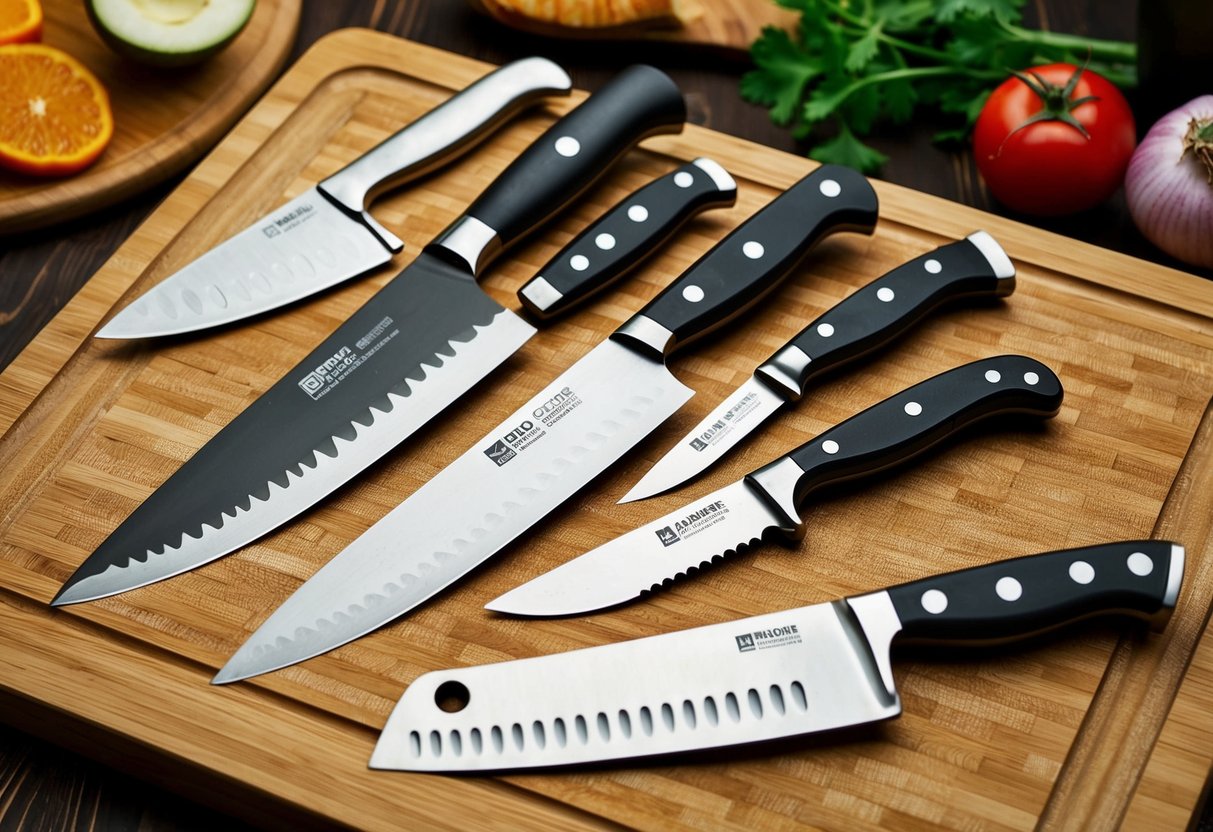
Choosing the perfect knife involves considering several key factors. The right blade, handle, weight, and quality can greatly impact your cooking experience and results.
Blade Material and Sharpness
Knife blades come in various materials, each with unique properties. High-carbon stainless steel is popular for its durability and edge retention. It resists rust and stays sharp longer.
Ceramic blades are incredibly sharp but can be brittle. They’re great for precision cuts but require careful handling.
Damascus steel offers both beauty and performance. Its layered construction creates a striking pattern and enhances strength.
When assessing sharpness, look for a blade that can easily slice through paper. A sharp knife is safer and more efficient than a dull one.
Remember to consider how often you’ll need to sharpen the blade. Some materials hold an edge longer but may be harder to resharpen at home.
Handle Comfort and Safety
A comfortable handle is crucial for extended use. Look for ergonomic designs that fit your hand size and grip style.
Materials like wood offer a classic look and feel. Synthetic materials like rubber or plastic can provide better grip when wet.
Safety features are important too. A finger guard helps prevent your hand from slipping onto the blade.
Some handles have a full tang, meaning the blade extends through the entire handle. This improves balance and durability.
Test the knife’s comfort by mimicking cutting motions in the store. A comfortable grip reduces fatigue and enhances control.
Knife Weight and Balance
The ideal weight varies based on personal preference and intended use. Heavier knives can help with tough cuts, while lighter ones offer more control for delicate tasks.
Balance is key. Hold the knife at the bolster (where the blade meets the handle). It should feel steady, not tipping forward or backward.
A well-balanced knife reduces hand strain and improves precision. It should feel like a natural extension of your hand.
Consider the tasks you’ll use the knife for most often. A heavier chef’s knife might be great for chopping, while a lighter paring knife suits detailed work.
Assessing Craftsmanship and Quality
High-quality knives show attention to detail. Look for smooth transitions between the blade and handle.
The blade should be free from imperfections like chips or uneven grinding. A single piece of steel from tip to tang often indicates better quality.
Reputable brands typically offer warranties, reflecting confidence in their craftsmanship.
Consider the knife’s intended use. A professional chef might need top-tier craftsmanship, while a home cook could be satisfied with good quality at a lower price point.
Examine how the blade is attached to the handle. Full tang construction, where the blade extends through the entire handle, often indicates higher quality and durability.
Knife Care and Maintenance
Taking good care of your knives keeps them sharp, safe, and long-lasting. Regular upkeep improves their cutting ability and protects your investment.
Sharpening Your Knives
Sharpening your knives is key for top performance. Use a whetstone for the best results. Start with a coarse grit, then move to a finer one. Hold the blade at a 20-degree angle and slide it across the stone. Repeat on both sides until sharp.
For serrated knives, use a special sharpener. These have tapered rods that fit between the teeth. Pull the knife through gently to sharpen each serration.
Electric sharpeners are quick but can remove too much metal. Use them carefully if you choose this option.
Honing for Optimal Performance
Honing realigns the blade’s edge between sharpenings. Use a honing steel before each use. Hold it vertically with the tip on a cutting board. Draw the knife down at a 20-degree angle. Repeat 5-10 times on each side.
Ceramic honing rods work well for harder steel blades. They’re gentler than metal rods.
Honing doesn’t replace sharpening, but it extends the time between sharpenings.
Cleaning and Storage Solutions
Clean knives right after use. Wash with warm, soapy water and dry immediately. Never put them in the dishwasher.
Store knives properly to protect the blades. Use a knife block, magnetic strip, or blade guards. Don’t toss them loose in a drawer.
For long-term storage, lightly oil carbon steel blades to prevent rust. Use food-grade mineral oil.
Keep knives away from heat and moisture. Both can damage the blade and handle.
When to Replace Your Knives
Even with good care, knives won’t last forever. Replace them when:
- The blade is chipped or bent
- You can’t sharpen out nicks or dull spots
- The handle is loose or damaged
- Rust has formed deep pits in the blade
Quality knives can last decades with proper care. But if they’re unsafe or don’t cut well, it’s time for new ones.
Invest in good knives and maintain them well. They’ll serve you better and last longer than cheap, disposable ones.
Knife Skills and Techniques
Mastering knife skills is key to efficient and safe food preparation. Good techniques improve your cooking speed and precision while reducing waste.
Basic Cutting Techniques: Chopping and Dicing
Chopping and dicing are fundamental skills you’ll use often. To chop, grip the knife handle firmly and use a rocking motion. Keep your fingers curled under on the hand holding the food.
For dicing, make parallel cuts, then turn the food and cut across. This creates even cubes. Practice on soft vegetables like onions or bell peppers.
Use the claw grip to protect your fingers. Curl your fingertips under and use your knuckles to guide the knife.
Advanced Skills: Filleting and Carving
Filleting fish requires a flexible, sharp blade. Hold the fish firmly and cut along the backbone. Use smooth, long strokes to separate the fillet from the bones.
For carving meat, use a long slicing knife. Cut against the grain in thin, even slices. Let the knife do the work – don’t saw back and forth.
Practice these skills on cheaper cuts before tackling expensive ingredients.
Safety First: Proper Handling and Usage
Always keep your knives sharp. Dull knives are more dangerous as they require more force.
Never try to catch a falling knife. Step back and let it fall.
Clean knives immediately after use. Don’t leave them in a sink of soapy water where you can’t see them.
Store knives in a block or on a magnetic strip. Don’t toss them loosely in a drawer.
When passing a knife, offer the handle to the other person. Never toss knives.
Beyond Utility: Aesthetics and Design
Specialty knives blend form and function, elevating kitchen tools to works of art. These knives combine stunning looks with top performance, making cooking more enjoyable.
The Art of Layered Steel: Damascus Knives
Damascus knives feature blades made from layered steel, creating unique patterns. This ancient technique produces knives that are both beautiful and strong.
The layered steel gives each knife a one-of-a-kind look. You’ll see swirls, waves, and other intricate designs on the blade. These patterns aren’t just for show – they can also help the knife resist sticking while cutting.
Damascus knives often use high-carbon steel, known for holding a sharp edge. This makes them great for precise cuts in the kitchen. You’ll find Damascus versions of many knife types, from chef’s knives to specialty blades.
Unique Features and Custom Creations
Beyond Damascus steel, many specialty knives boast unique design elements. You might see handles made from exotic woods, colorful resins, or even animal horn. Some knives have blades with special coatings or etched designs.
Custom knife makers push aesthetics even further. They create one-of-a-kind pieces that are as much art as tool. You can find knives with intricate engravings, jeweled handles, or unusual blade shapes.
Despite their good looks, these knives are still made for use. Makers focus on ergonomic handles and balanced designs. This ensures the knives perform well, even while looking amazing in your kitchen.
The Impact of Knife Selection on Culinary Arts
Choosing the right knife can dramatically change your cooking experience. The right blade enhances your culinary skills and makes food prep easier and more enjoyable.
Different knives serve unique purposes in the kitchen. A chef’s knife is versatile for many tasks. A paring knife helps with small, precise cuts. A bread knife’s serrated edge slices through crusty loaves without squishing.
Your knife choice affects the texture and appearance of your dishes. Clean cuts from sharp knives keep vegetables crisp and meats juicy. Dull knives can crush delicate ingredients, altering flavors and presentation.
Specialty knives open up new cooking techniques. A filleting knife lets you prepare fish with ease. A santoku knife excels at chopping vegetables. An oyster knife makes seafood preparation simpler.
The right knife can boost your confidence in the kitchen. When you have the proper tool, you’re more likely to try new recipes and techniques. This expands your culinary experience and skills.
Knives also carry cultural significance in many cuisines. Using traditional knives can help you connect with different culinary traditions and techniques from around the world.
Remember, the best knife is one that feels comfortable in your hand. A knife that fits well allows for better control and safer cooking. Take time to find knives that work best for you and your cooking style.
Building Your Knife Collection
Starting a knife collection can be fun and rewarding. Focus on quality over quantity when beginning. Pick knives that fit your cooking style and needs.
Start with essential kitchen knives:
- Chef’s knife
- Paring knife
- Serrated bread knife
Add specialty knives as you grow your skills:
- Santoku for vegetables
- Boning knife for meat prep
- Filleting knife for fish
Consider factors like blade material, handle comfort, and brand reputation. High-carbon stainless steel is a good all-around choice for blades.
Store your knives properly to keep them in top shape. Use a knife block, magnetic strip, or individual blade guards. Clean and dry knives after each use.
As your collection grows, you might want to explore different types of kitchen knives. Each has a unique purpose and can enhance your cooking.
Remember to sharpen your knives regularly. A sharp knife is safer and more efficient than a dull one. You can use a honing steel for quick touch-ups between full sharpenings.
Frequently Asked Questions
Specialty knives offer unique features for specific culinary tasks. They can enhance precision and efficiency in the kitchen when used correctly and maintained properly.
What are the essential types of specialty knives everyone should have in their kitchen?
A good starter set of specialty knives includes a santoku knife, a fillet knife, and a bread knife. These cover a range of tasks beyond what a chef’s knife can do.
A santoku is great for chopping vegetables and slicing meat. A fillet knife helps with preparing fish. A bread knife’s serrated edge cuts through crusty loaves without squashing them.
How do you properly maintain and care for high-end specialty knives?
Keep your specialty knives sharp with regular honing and occasional sharpening. Clean them by hand and dry immediately after use.
Store knives in a block or on a magnetic strip to protect the blades. For carbon steel knives, apply a thin layer of mineral oil to prevent rust.
What is the difference between a santoku knife and a traditional chef’s knife?
A santoku knife has a shorter, wider blade with a flat cutting edge. This design is ideal for up-and-down chopping motions.
A chef’s knife has a longer, curved blade that allows for a rocking motion when cutting. Santoku knives excel at precision cuts, while chef’s knives are more versatile.
What criteria should be used when selecting a quality hunting knife?
Look for a sturdy, full-tang blade made of high-carbon stainless steel. The handle should provide a secure grip, even when wet.
Consider the knife’s intended use. A drop-point blade is versatile for most hunting tasks. A clip-point blade offers more precision for skinning.
Can you explain the various blade shapes and their specific uses in specialty knives?
Specialty knives often have unique blade shapes designed for specific tasks. For example, a curved blade on a fillet knife helps it glide along fish bones.
Serrated edges are great for cutting through tough exteriors without crushing soft interiors. Hollow-ground blades reduce friction and sticking when slicing.
Which specialty knife is recommended for intricate tasks like carving or peeling?
For carving, a long, thin slicing knife works well. It allows you to make clean cuts through large roasts or poultry.
For peeling, a small paring knife gives you precise control. Its short blade is perfect for detailed work like removing blemishes from fruits and vegetables.


