

A Comprehensive Guide to Essential Hand Tools
Hammers are essential tools for many projects. They come in different shapes and sizes, each designed for specific tasks. Picking the right hammer can make your work easier and more efficient.
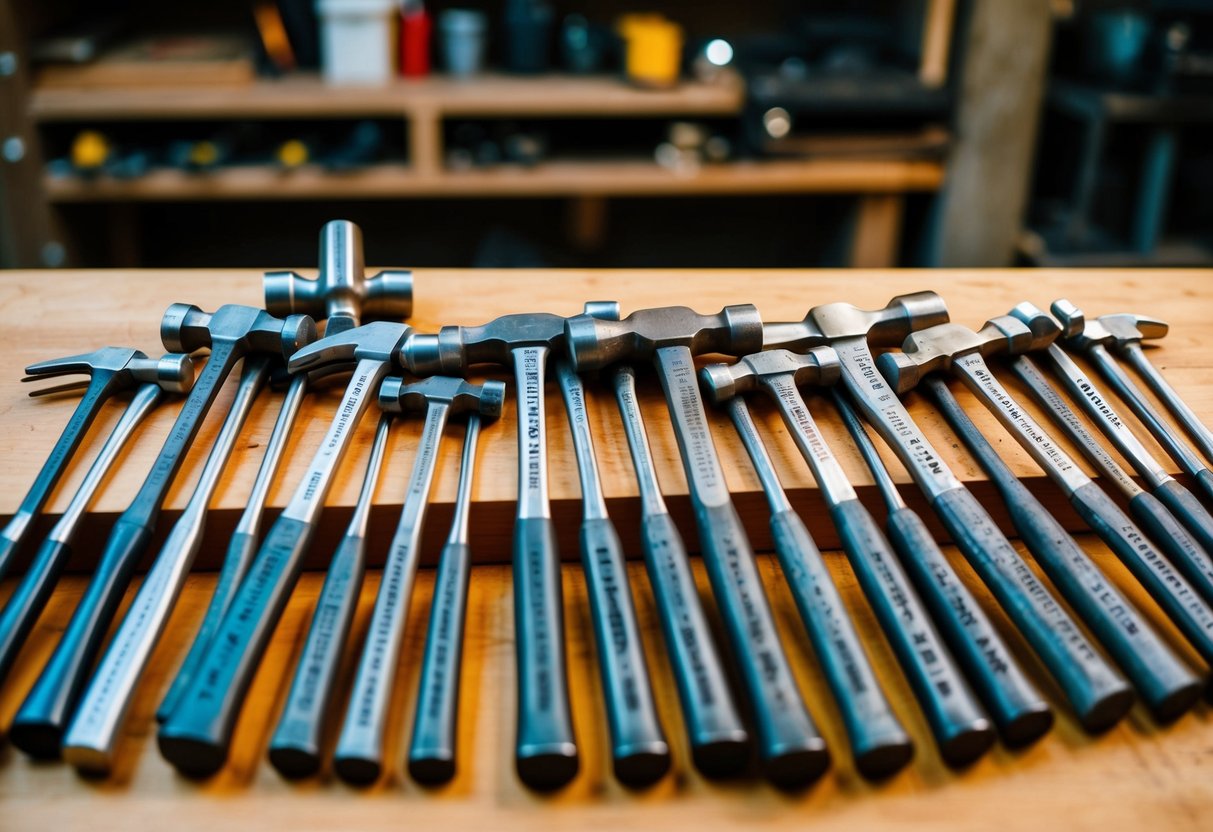
Different types of hammers include claw hammers, sledgehammers, and ball-peen hammers. Each has unique features that help with tasks like driving nails, breaking concrete, or shaping metal. Learning about these tools can help you choose the best one for your needs.
Whether you’re a DIY enthusiast or a professional, knowing how to use various hammers can improve your work. This guide will help you understand the different types and their uses, so you can tackle your projects with confidence.
Key Takeaways
- Hammers come in many types, each suited for specific tasks
- Choosing the right hammer improves work efficiency and results
- Regular maintenance and proper use ensure hammer safety and longevity
History and Evolution of Hammers
Hammers have been around for a very long time. The first hammers were simple stones used over 3 million years ago. Early humans picked up rocks to pound and shape other materials.
As time went on, people made better hammers. They attached wooden handles to stone heads. This made hammers easier to use and more powerful.
During the Stone Age, hammers were used to make tools and weapons. In the Bronze Age, metal hammers appeared. These were stronger and could be used for metalworking.
The Iron Age brought even better hammers. Blacksmiths made hammers from iron and steel. These tools could handle tougher jobs.
In the Middle Ages, specialized hammers developed. There were hammers for different trades like carpentry, masonry, and metalworking. Each had a unique shape for its job.
The Industrial Revolution changed hammers again. Machines could now make hammers quickly and cheaply. This led to more types of hammers for specific tasks.
Today, you can find many kinds of hammers:
- Claw hammers for woodworking
- Sledgehammers for demolition
- Ball-peen hammers for metalworking
- Rubber mallets for gentle tapping
Hammers keep evolving. New materials like titanium make hammers lighter and stronger. But the basic idea stays the same – a tool to hit things with force.
Understanding Hammer Construction and Features
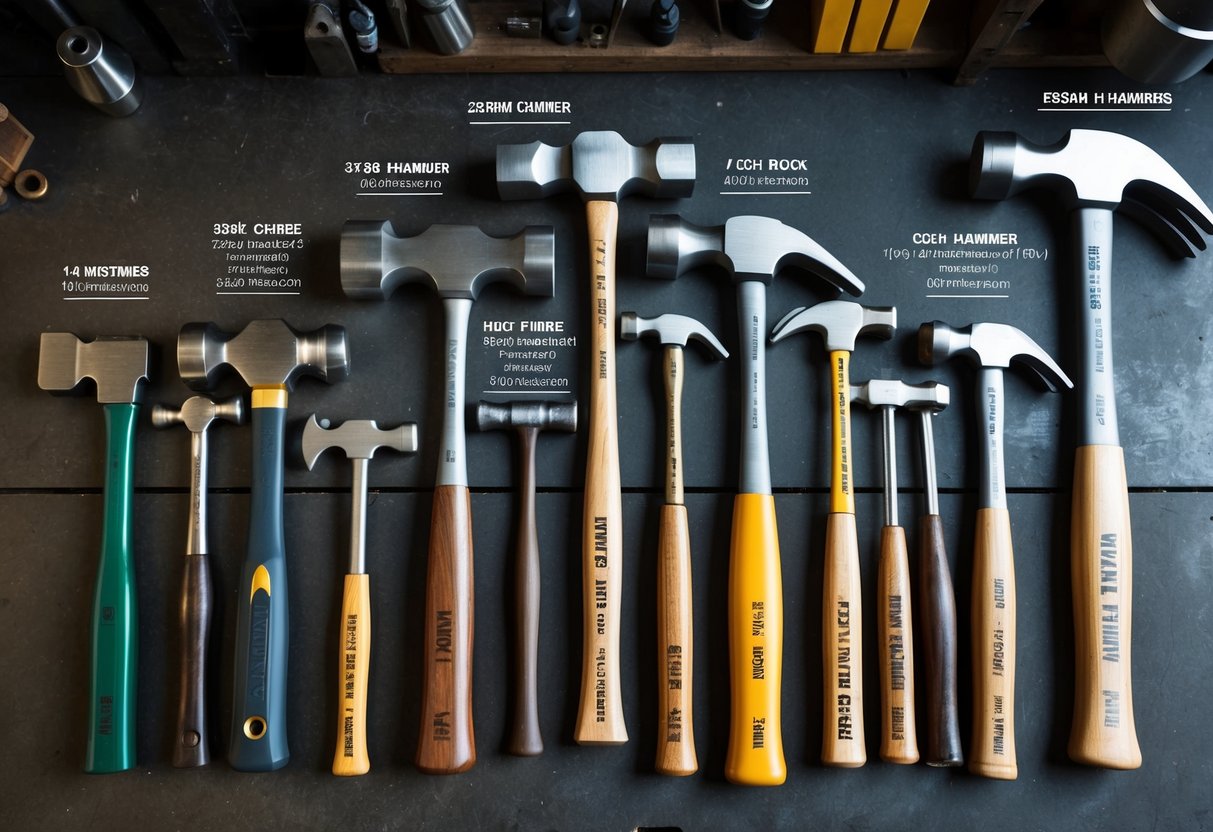
Hammers have different parts and designs that affect how they work. The materials, handle types, and head shapes all play a role in a hammer’s performance and use.
Materials and Design
Hammer heads are usually made of steel. Claw hammers often use high-carbon steel for strength. Some specialty hammers use brass, copper, or plastic for their heads.
The way a hammer is made affects how it works. Forged steel heads are very strong. Cast heads are cheaper but may not last as long.
Heat treatment makes hammer heads harder and more durable. This process involves heating and cooling the metal in a controlled way.
Handle Types and Grips
You’ll find hammer handles made of wood, fiberglass, or steel. Each material has pros and cons:
- Wood: Absorbs shock well, lightweight
- Fiberglass: Strong, reduces vibration
- Steel: Very durable, but can transmit more shock
Grip design is important for comfort and control. Rubber grips help prevent slipping. Some handles have curved shapes to fit your hand better.
The length of the handle affects leverage and swing force. Longer handles give more power but less control.
Head Shapes and Weight Distribution
Hammer head shapes vary based on their purpose. Ball-peen hammers have a rounded peen for shaping metal. Claw hammers have a flat face for driving nails and a curved claw for removing them.
The weight of a hammer head ranges from light tack hammers to heavy sledgehammers. A typical claw hammer weighs 16 to 20 ounces.
How the weight is spread out in the head affects the hammer’s balance and striking power. Some hammers have extra weight near the striking face for more force.
The shape of the striking face matters too. A slightly curved face helps prevent marks on the work surface. A flat face is better for precise hits.
Types of Hammers and Their Uses
Hammers come in many shapes and sizes, each designed for specific tasks. From basic home repairs to specialized trades, there’s a hammer for every job.
Claw Hammer
The claw hammer is the most common type you’ll find in toolboxes. It has a flat striking face on one side and a curved claw on the other. You’ll use the face to drive nails and the claw to pull them out.
Claw hammers typically weigh between 16 and 20 ounces. The handle can be wood, fiberglass, or steel. For home use, a 16-ounce claw hammer with a wooden handle works well for most tasks.
When using a claw hammer:
- Hold it near the end of the handle for more power
- Aim carefully to avoid damaging the surface
- Let the weight of the hammer do the work
Framing Hammer
Framing hammers are beefier versions of claw hammers. They’re made for heavy-duty construction work. You’ll find them on job sites where carpenters are framing houses.
Key features of framing hammers:
- Heavier head (20-32 ounces)
- Longer handle for more leverage
- Waffle-patterned face to grip nail heads
- Straight claw for prying boards
The extra weight and length help you drive nails faster with fewer swings. This makes framing hammers ideal for large projects but less suitable for delicate work.
Ball Peen Hammer
Ball peen hammers have a flat face on one side and a rounded “peen” on the other. You’ll often see them in metalworking shops. The rounded end is used for shaping metal and closing rivets.
Common uses for ball peen hammers:
- Rounding off edges of metal pins
- Creating dome shapes in sheet metal
- Striking punches and chisels
These hammers come in various sizes, from 4 to 32 ounces. For general use, a 12 or 16-ounce ball peen hammer is a good choice.
Sledgehammer
When you need maximum force, reach for a sledgehammer. These heavy-duty tools have long handles and large, flat heads. You’ll use them for demolition work, driving stakes, or breaking up concrete.
Sledgehammer weights range from 2 to 20 pounds. For home use, an 8 or 10-pound sledge is versatile enough for most tasks. Always wear safety goggles and gloves when using a sledgehammer.
Tips for using a sledgehammer:
- Maintain a wide stance for balance
- Swing from your hips, not just your arms
- Let the weight of the hammer do the work
Mallets
Mallets have softer heads than metal hammers. You’ll use them when you need to apply force without damaging the surface you’re striking. There are several types of mallets:
- Rubber mallets: For general assembly work
- Wooden mallets: Often used in woodworking
- Rawhide mallets: For metalworking without marring
When using a mallet, choose one that’s heavy enough to do the job but light enough for you to control easily. Avoid using too much force, as even soft-faced mallets can cause damage.
Specialty Hammers
Many trades have their own specialized hammers. Here are a few you might encounter:
- Drywall hammer: Has a serrated face and hatchet-like blade
- Electrician’s hammer: Features a long, thin handle for tight spaces
- Brick hammer: Used for cutting and shaping bricks
- Tack hammer: Small, lightweight hammer for driving tacks
These specialty hammers are designed to make specific tasks easier and more efficient. If you frequently do a particular type of work, investing in the right specialty hammer can save you time and effort.
Hammers for Metalworking
Metalworking requires a variety of specialized hammers. Each type serves a specific purpose in shaping and working metal.
Common metalworking hammers:
- Cross peen hammer: For starting small nails and creating linear texture
- Straight peen hammer: Used for stretching metal
- Planishing hammer: For smoothing metal surfaces
- Chasing hammer: Features a large flat face for detail work
When choosing a metalworking hammer, consider the type of metal you’re working with and the specific techniques you’ll be using.
Hammers for Automotive and Upholstery Work
Automotive work often requires specialized hammers for body repair and mechanical tasks. Upholstery work also uses unique hammers for fabric and trim installation.
Automotive hammers:
- Body hammer: For shaping metal panels
- Brass hammer: Non-sparking for use around flammable materials
- Dead blow hammer: Filled with shot to prevent rebound
Upholstery hammers:
- Magnetic tack hammer: Holds tacks for easy placement
- Upholstery hammer: Has a wide, flat face to avoid damaging fabric
Choose hammers with the right weight and head shape for your specific automotive or upholstery tasks. Using the correct tool will help you achieve better results with less effort.
Hammer Safety and Maintenance
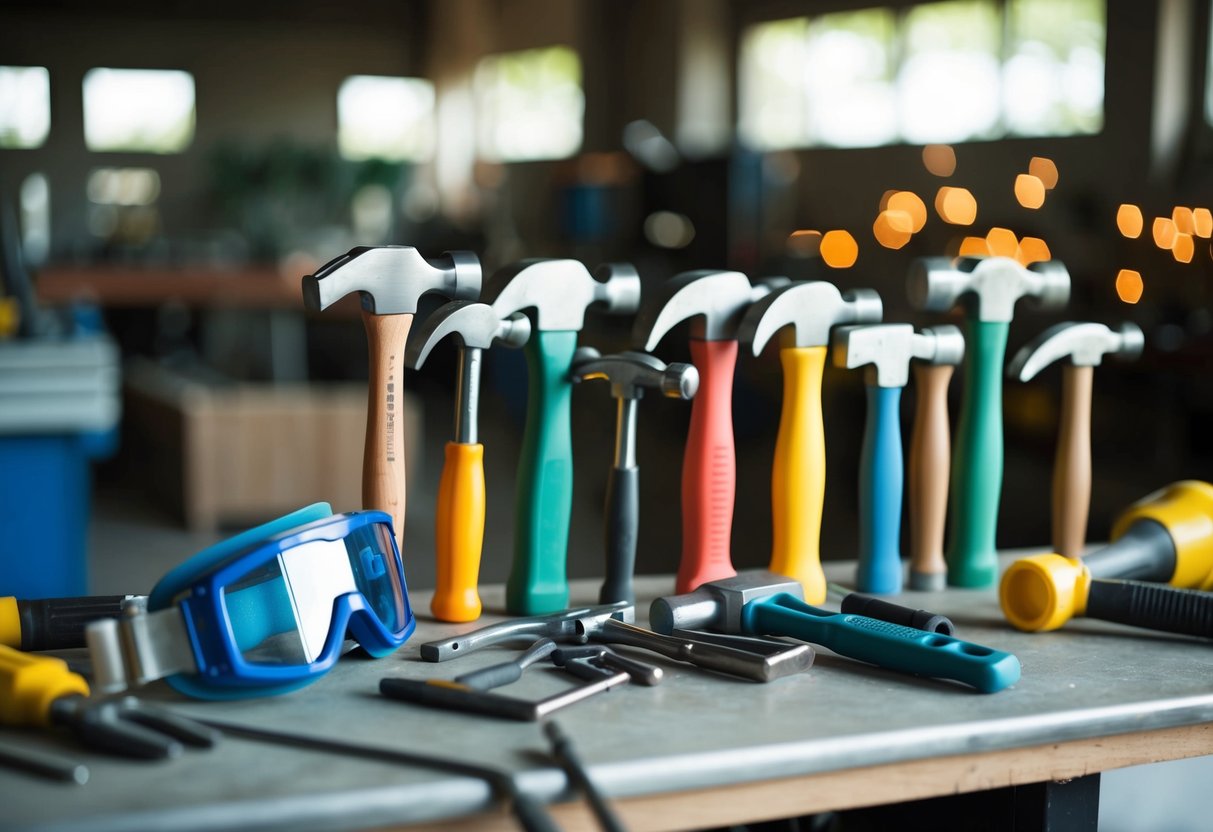
Using hammers safely and keeping them in good condition is crucial for effective and injury-free work. Proper techniques, safety measures, and regular care will help you get the most out of your tools.
Proper Usage Techniques
Hold the hammer near the end of the handle for maximum leverage and control. Aim for the target with your entire arm, not just your wrist. Keep your eyes on the striking point, not the hammer head.
For best results, use a hammer suitable for the task. A claw hammer works well for general carpentry, while a ball-peen hammer is better for metalwork.
Avoid using the side of the hammer head to strike. This can damage the tool and reduce its effectiveness. Instead, always use the face of the hammer for striking.
When removing nails, use the claw end to grip the nail shaft. Pull the handle towards you to extract the nail smoothly.
Safety Precautions
Wear safety glasses to protect your eyes from flying debris. This is especially important when working with metal or concrete.
Check the hammer head before each use. Ensure it’s securely fastened to the handle. A loose head can fly off during use, causing serious injury.
Keep your free hand away from the striking area. If you need to hold a nail, use pliers instead of your fingers.
Don’t use a hammer with a damaged or split handle. Replace it immediately to prevent accidents.
Be aware of your surroundings. Make sure no one is in the path of your swing or in danger from flying debris.
Maintenance and Care
Clean your hammer after each use. Wipe off dirt, dust, and moisture with a clean cloth. This prevents rust and keeps the tool in good condition.
Oil wooden handles occasionally to prevent drying and cracking. Use linseed oil or a commercial wood preservative.
Inspect the hammer head regularly for signs of wear or damage. If the face becomes too worn or chipped, replace the hammer.
Store your hammer in a dry place to prevent rust. A tool belt or toolbox is ideal for keeping it safe and easily accessible.
If the handle becomes loose, don’t use the hammer. Tighten it or replace the handle to ensure safe operation.
Choosing the Right Hammer for the Job
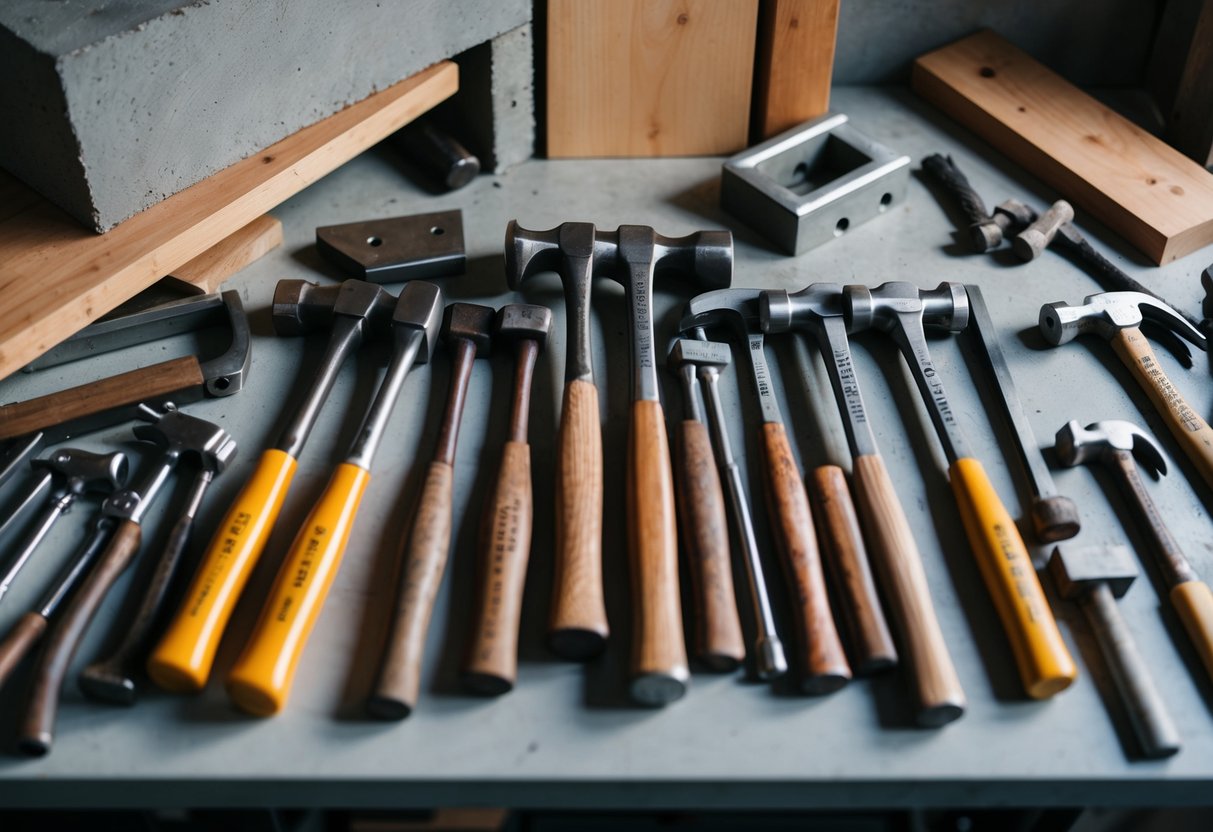
Picking the best hammer depends on your task and materials. You’ll need to think about weight, head shape, and handle type to get the job done right.
Factors to Consider
When choosing a hammer, think about these key things:
- Weight: Heavier hammers give more force but tire you out faster. Lighter ones offer better control.
- Head shape: Different shapes suit different jobs. Claw hammers work well for general tasks. Ball peen hammers are good for metalwork.
- Handle material: Wood absorbs shock but can break. Steel lasts longer but transfers more vibration.
- Grip: Look for non-slip grips to prevent accidents.
- Job type: Nail pulling needs a claw hammer. Metalworking might need a cross peen hammer.
Comparison of Hammer Types
Here’s a quick look at some common hammer types:
- Claw hammer: Best for driving and removing nails. Good for DIY and carpentry.
- Framing hammer: Heavier than a claw hammer. Used in construction for driving large nails.
- Ball peen hammer: Great for metalwork. The round end shapes metal without leaving marks.
- Sledgehammer: Very heavy. Used for demolition or driving stakes.
- Rubber mallet: Soft head won’t damage surfaces. Good for woodworking or tile setting.
Pick based on your most common tasks. For general use, a claw hammer is a solid choice. If you work with metal often, add a ball peen hammer to your toolkit.
Professional and DIY Projects
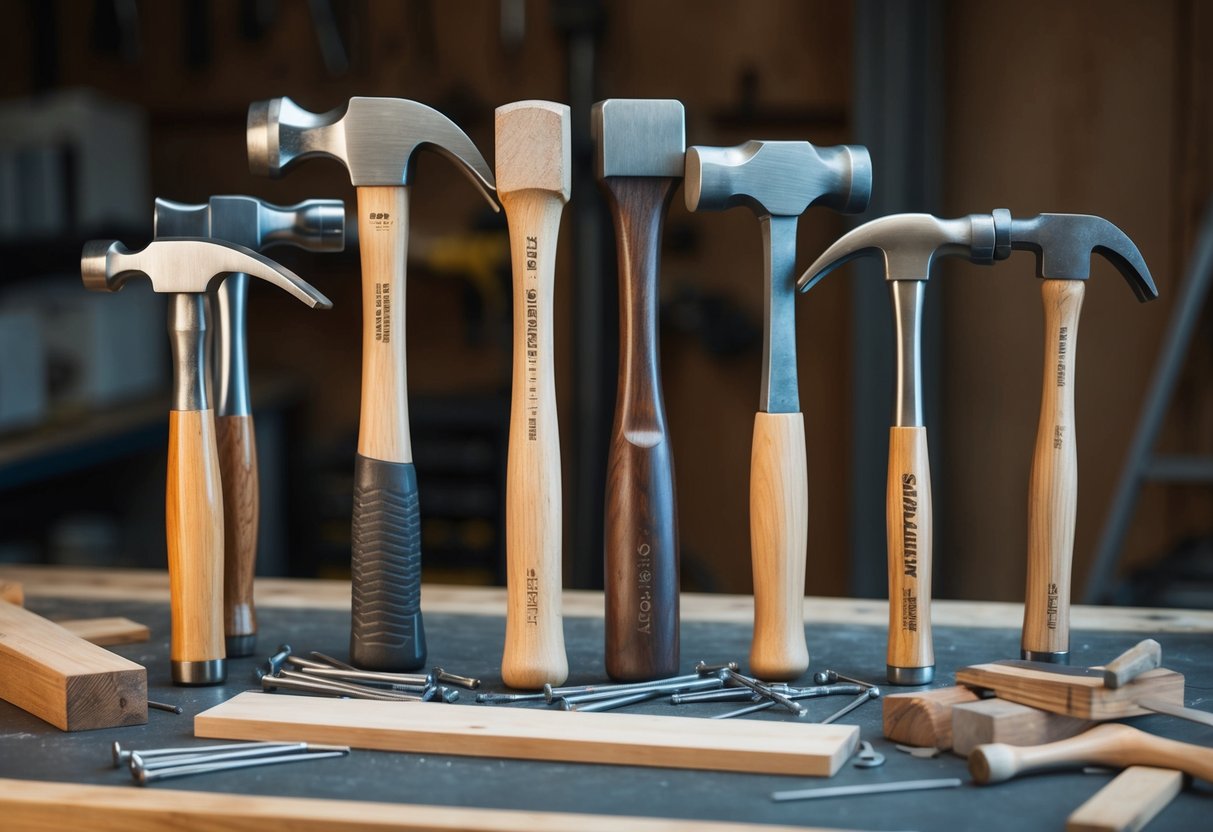
Hammers play a crucial role in both professional construction and DIY projects. They come in various types, each designed for specific tasks and materials.
Hammers in Construction
Construction hammers are built for heavy-duty use. The club hammer, also called a lump hammer, is perfect for demolition work and driving stakes. It has a short handle and a heavy head for maximum force.
Brick hammers have a flat face on one side and a chisel-like edge on the other. They’re used for cutting and shaping bricks and concrete blocks.
The cross peen hammer has a wedge-shaped peen opposite the striking face. It’s great for starting small nails and tacks in tight spaces.
Mason’s hammers are specialized tools for working with stone and brick. They have a square face for striking and a pointed peen for chipping and scoring.
Lineman’s hammers are used in electrical work. They have a long handle for reach and a head designed to drive staples and pull nails.
Hammers in Craftsmanship and DIY
For DIY projects, you’ll often use different hammers than professionals. Claw hammers are versatile tools for general household tasks. They’re good for driving and removing nails.
Ball peen hammers are useful for metalworking. You can use them to shape metal and close rivets.
For woodworking, a wooden mallet is gentle enough to use with chisels without damaging them.
Tack hammers have a lightweight head perfect for small nails and tacks in upholstery or crafts.
When working with delicate materials, rubber mallets are your best choice. They won’t mar surfaces but still provide enough force for assembly work.
Innovations in Hammer Design
Hammer design has come a long way in recent years. You’ll find new materials and features that make hammers more effective and comfortable to use.
One big change is the use of shock-absorbing materials. Many hammers now have handles made of fiberglass or steel wrapped in rubber. This helps reduce vibration and strain on your hands.
The soft face hammer is a great example of innovation. It has replaceable plastic or rubber faces that won’t damage delicate surfaces. This makes it perfect for working on cars or furniture.
Anti-vibration technology is another key advance. Some hammers use special construction to dampen vibrations before they reach your hand. This can help prevent fatigue during long jobs.
Ergonomic designs are also becoming more common. Handles are shaped to fit your hand better, reducing strain and improving control. Some even have textured grips for a more secure hold.
Here are a few other innovative hammer types you might encounter:
- Finish hammer: Lightweight with a smooth face for detail work
- Mechanic’s hammer: Often has interchangeable tips for different tasks
- Tinner’s hammer: Designed for sheet metal work with a unique peen shape
- Machinist’s hammer: Precision-made for working on machines and tools
These innovations make hammers more specialized and effective than ever before. You can now find a hammer perfectly suited to almost any job.
Frequently Asked Questions
Hammers come in many types, each designed for specific tasks. Let’s explore some common questions about different hammers and their uses.
What are the primary uses for a ball peen hammer?
Ball peen hammers are great for metalworking. You can use them to shape metal and create rounded edges. They’re also handy for closing rivets and striking punches or chisels.
How do the various claw hammers differ in use?
Claw hammers vary in weight and design. Lighter ones work well for small tasks like hanging pictures. Heavier claw hammers are better for framing and construction. Some have waffle-face heads to prevent slipping when driving nails.
For what purposes would a sledge hammer be most appropriate?
Sledge hammers are ideal for demolition work. You can use them to break up concrete, drive stakes, or split wood. They’re also useful for heavy-duty construction tasks that require a lot of force.
Can you list three common types of hammers found in most workshops?
Most workshops have claw hammers, ball peen hammers, and rubber mallets. Claw hammers are versatile for general use. Ball peen hammers work well for metalworking. Rubber mallets are great for gentle tapping without damaging surfaces.
What characteristics make certain hammers more suitable for specific tasks?
The head shape, weight, and material of a hammer determine its best use. A flat face is good for driving nails. Rounded peens help shape metal. Lighter hammers offer more control, while heavier ones provide more force.
What are some unique or lesser-known applications of tack hammers?
Tack hammers are small and lightweight. You can use them for delicate work like upholstery or jewelry making. They’re also great for placing small nails or tacks in tight spaces where larger hammers won’t fit.


