

Compact Solutions for Every Photographer – Simplifying High-Quality Imaging
Point-and-shoot cameras offer a perfect mix of simplicity and quality for many photographers. These compact devices pack impressive features into small, portable bodies. They’re ideal for beginners and casual shooters who want good photos without the complexity of bigger cameras.
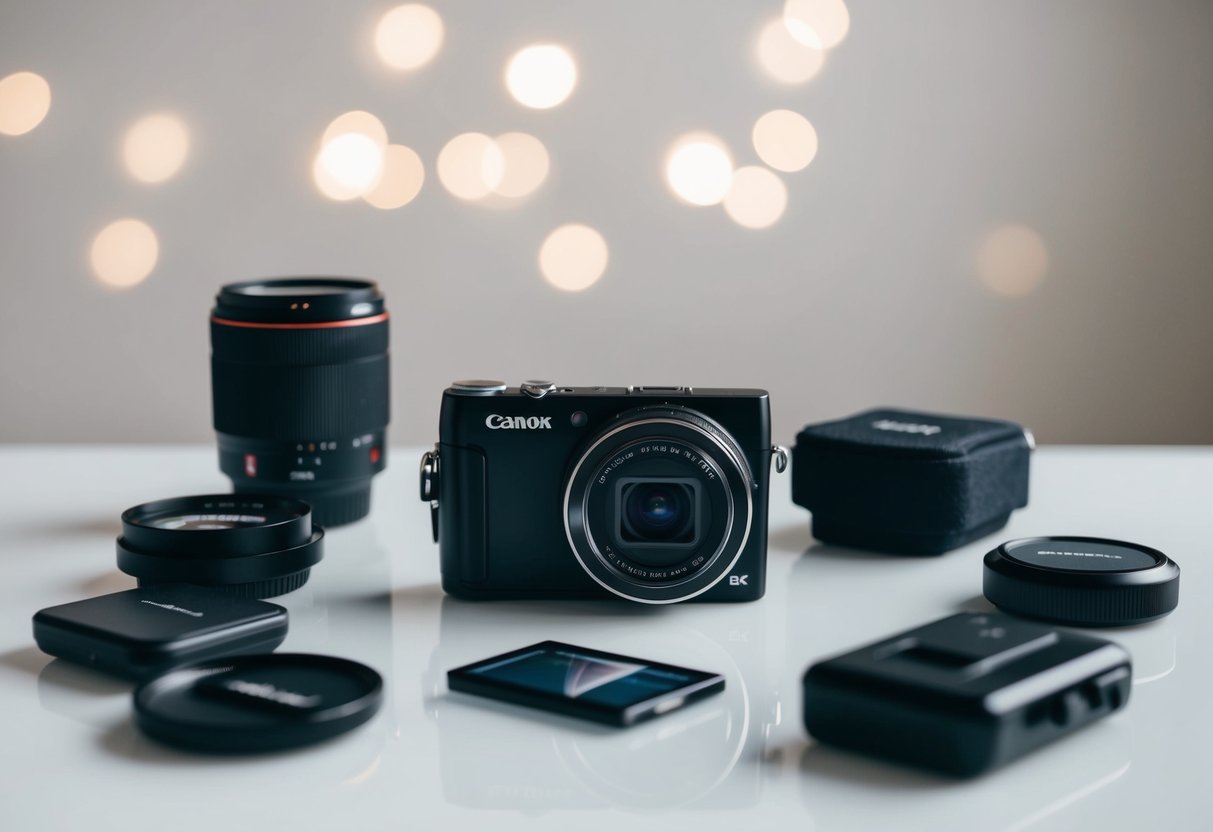
Point-and-shoot cameras give you high-quality images with minimal effort. Many models now rival more advanced cameras in image quality. The Sony RX100 VII takes great photos and shoots 4K video. It’s a top choice for those who want pro-level results in a small package.
You don’t need to be a pro to use these cameras. They have auto modes that make it easy to capture nice shots. But they also offer manual controls if you want to learn more about photography. Some newer models even have touchscreens and Wi-Fi for easy sharing.
Key Takeaways
- Point-and-shoot cameras blend quality and ease of use in a compact size
- Many models now offer advanced features like 4K video and Wi-Fi connectivity
- These cameras suit both beginners and experienced photographers looking for portability
Understanding Point-and-Shoot Cameras
Point-and-shoot cameras offer simple operation and compact design. These devices balance convenience with quality, making them popular for casual photographers and beginners.
What Defines a Point-and-Shoot Camera
Point-and-shoot cameras are known for their ease of use and portability. They have fixed lenses and automatic settings, allowing you to simply aim and press the shutter button.
Key traits: • Compact size • Fixed lens • Automatic modes • Built-in flash
These cameras are great for everyday photos. You don’t need to change lenses or adjust complex settings. Most models fit in a pocket or small bag, making them ideal for travel and events.
Image quality has improved over the years. Many now use larger sensors and advanced processors to capture sharp, clear photos in various lighting conditions.
Point-and-Shoot vs. Smartphone Cameras
While smartphone cameras have become very capable, point-and-shoot cameras still offer some advantages:
• Better zoom: Optical zoom lenses provide higher quality close-ups • Larger sensors: Can capture more light and detail • Dedicated controls: Physical buttons for faster adjustments • Better low-light performance: Larger sensors and better lenses help in dim settings
Point-and-shoot cameras excel in situations where you need more zoom or better image quality than a phone can provide. They’re great for travel, outdoor adventures, and events where you want higher quality photos without carrying bulky gear.
Key Features of Compact Cameras
When looking at point-and-shoot cameras, pay attention to these important features:
- Sensor size: Larger sensors generally produce better image quality
- Zoom range: Look for cameras with powerful optical zoom
- Autofocus speed: Fast, accurate focusing helps capture sharp images
- Image stabilization: Reduces blur from camera shake
- Wi-Fi/Bluetooth: For easy photo sharing and remote control
Many models now offer 4K video recording, RAW file support, and manual controls. These features give you more creative options as your skills grow.
Consider your needs and budget when choosing a camera. Higher-end models offer better low-light performance and more advanced features, but even budget-friendly options can produce great results for everyday use.
Top Brands and Models
Point-and-shoot cameras offer a range of options from leading manufacturers. These compact devices pack advanced features into small, easy-to-use packages for photographers of all skill levels.
Canon’s Powerhouse Compacts
Canon produces some of the best point-and-shoot cameras on the market. The PowerShot G7 X Mark III stands out with its large 1-inch sensor and 4K video capabilities. It’s ideal for vloggers and content creators.
For more zoom, the PowerShot SX740 HS offers a 40x optical zoom lens in a pocket-sized body. This makes it great for travel and wildlife photography.
Canon’s budget-friendly ELPH series, like the ELPH 180, provides good image quality in an ultra-compact form. These are perfect for casual snapshots and everyday use.
Sony’s Advanced Point-and-Shoot Range
Sony’s RX100 series leads the pack in advanced compact cameras. The RX100 VII boasts a 1-inch sensor, 4K video, and blazing-fast autofocus. It’s pricey but delivers near-professional quality in a pocket-sized package.
For a more affordable option, the Cyber-shot WX350 offers an 18.2-megapixel sensor and 20x optical zoom. It’s a versatile choice for everyday photography.
Sony’s rugged cameras, like the Cyber-shot DSC-RX0 II, are built for extreme conditions. They’re waterproof, shockproof, and crushproof, making them ideal for adventure seekers.
Fujifilm’s Creative Compact Options
Fujifilm stands out with its retro designs and film simulation modes. The X100V is a premium compact with a fixed 23mm lens and hybrid viewfinder. It’s perfect for street photography and travel.
The XF10 offers APS-C image quality in a truly pocketable form. Its 28mm equivalent lens is great for landscapes and everyday shots.
For instant gratification, Fujifilm’s Instax series combines digital capture with instant printing. The Instax Mini Evo blends retro style with modern features for fun, shareable prints.
Other Notable Brands and Models
Panasonic’s Lumix line includes the ZS200, which pairs a 1-inch sensor with a 15x zoom lens. It’s a versatile travel companion with 4K video capabilities.
Ricoh’s GR III is a favorite among street photographers. Its APS-C sensor and 28mm equivalent lens deliver high-quality images in a compact body.
The Olympus Tough TG-6 is built for underwater and extreme conditions. It’s waterproof to 50 feet and features a variety of shooting modes for challenging environments.
These options from various brands cater to different needs and budgets, ensuring you can find the right point-and-shoot camera for your photography style.
Essential Features for Quality Photography
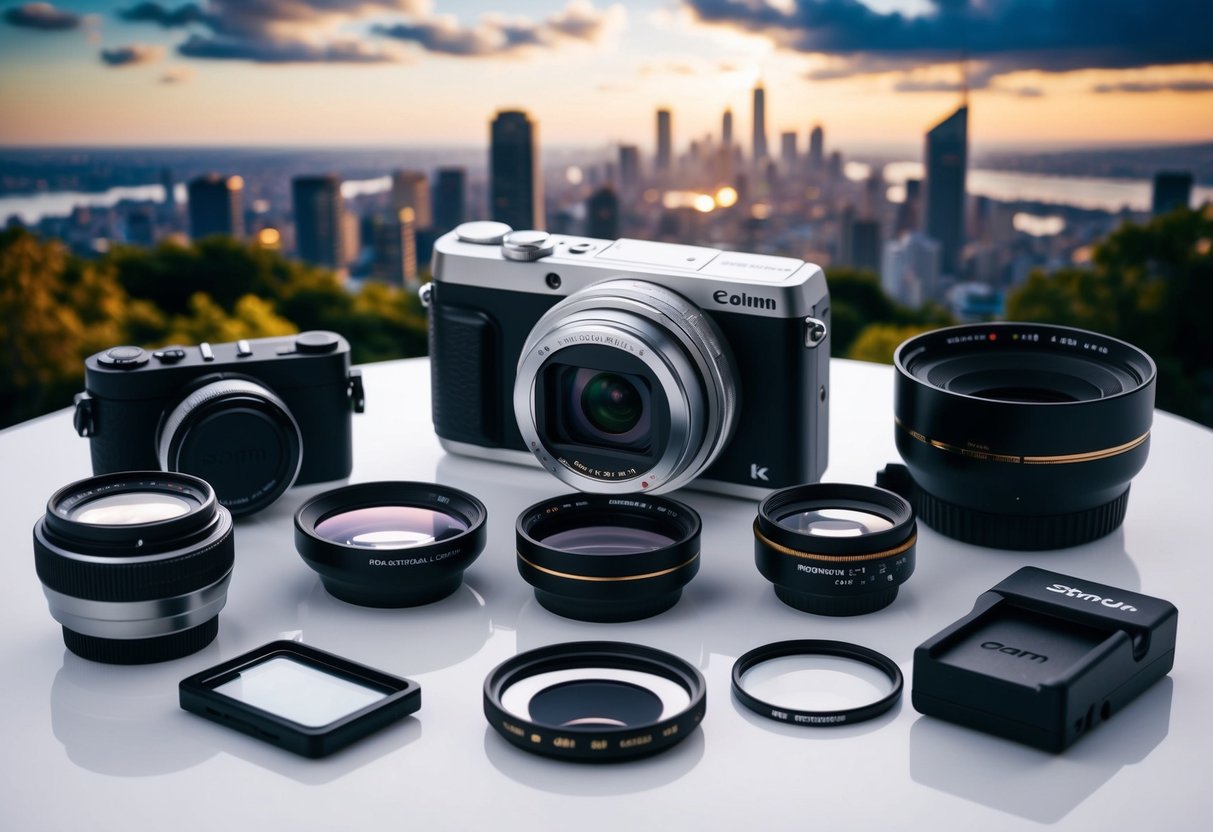
Point-and-shoot cameras pack powerful features in small packages. Key elements like sensors, autofocus, stabilization, and video capabilities work together to produce high-quality images.
The Role of Sensors in Image Clarity
Large sensors are crucial for capturing detailed, clear photos. Many top point-and-shoot models now include 1-inch sensors, which offer better low-light performance and image quality than smaller sensors.
These larger sensors allow for:
• More light capture • Improved dynamic range • Reduced noise in photos
When shopping for a camera, pay attention to sensor size. A 1-inch sensor can significantly boost your photo quality compared to smaller sensors often found in budget models or smartphones.
Importance of a Reliable Autofocus System
A fast, accurate autofocus system helps you capture sharp images of moving subjects. Modern point-and-shoots often feature advanced autofocus technologies like:
• Face and eye detection • Subject tracking • Multiple focus points
These systems work quickly to lock onto your subject, keeping it in focus as it moves. This is especially useful for action shots or photographing children and pets.
Look for cameras with hybrid autofocus systems that combine phase-detection and contrast-detection methods. These provide the best balance of speed and accuracy.
The Impact of Image Stabilization
Image stabilization is a must-have feature for sharp photos, especially in low light or when using zoom. It helps counteract camera shake from hand-holding your camera.
There are two main types:
- Optical stabilization (in-lens)
- Sensor-shift stabilization (in-body)
Both can be effective, but sensor-shift stabilization works with any lens you might attach to your camera. This feature lets you use slower shutter speeds without introducing blur, expanding your shooting options in challenging light conditions.
Advantages of High-Resolution Video Capability
Many point-and-shoot cameras now offer 4K video recording, bringing professional-quality video to compact devices. This high resolution provides several benefits:
• Sharper, more detailed footage • Ability to crop and reframe in post-production • Future-proof content creation
Even if you don’t need 4K now, it’s a valuable feature to have as more devices support higher resolutions. Look for cameras that offer both 4K and high frame rate options for slow-motion recording.
Some models also include advanced video features like:
• Log profiles for color grading • External microphone inputs • Clean HDMI output
These options can greatly expand your creative possibilities when shooting video with a point-and-shoot camera.
Design and Portability
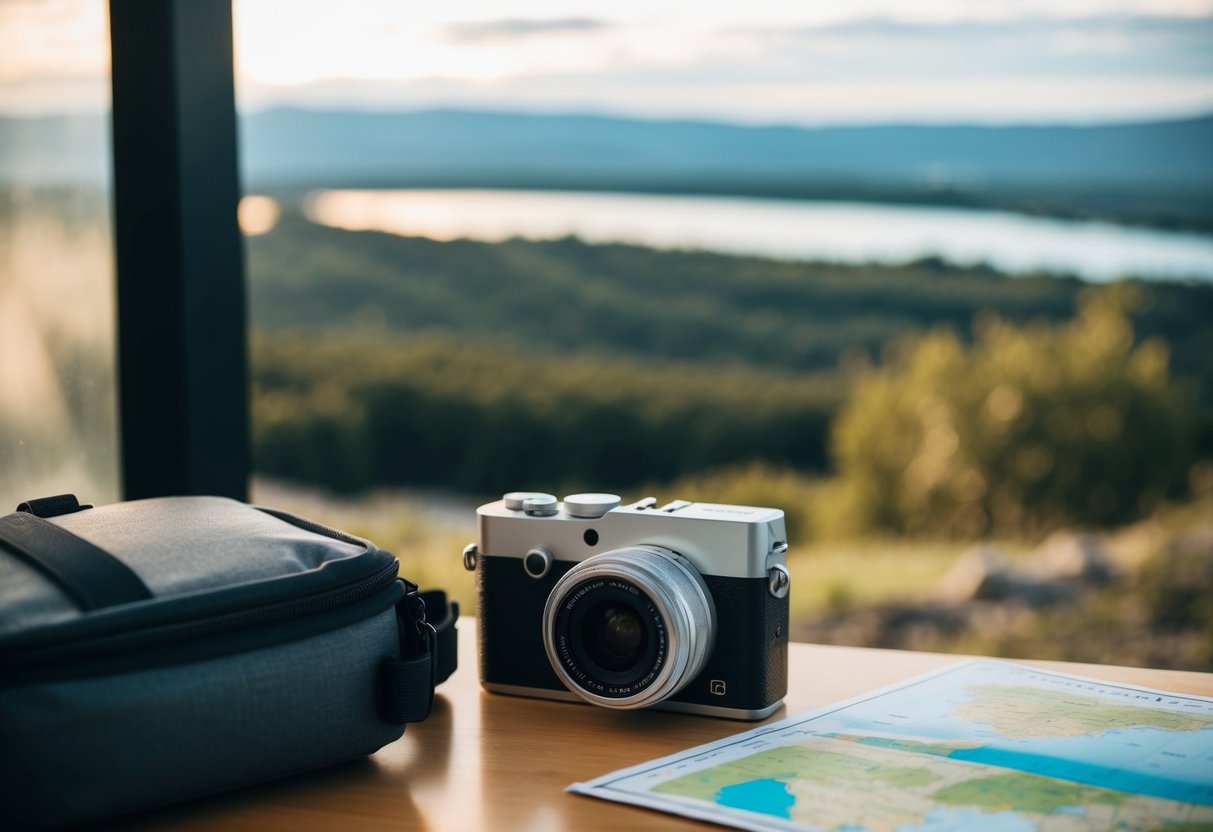
Point-and-shoot cameras are known for their compact size and easy-to-use design. These features make them ideal for photographers who want to capture great shots without lugging around heavy equipment.
Compactness and Travel Readiness
Compact cameras are perfect for travel and everyday use. Many models can easily fit in your pocket or handbag. This makes them great for spontaneous photo opportunities.
Some cameras are small enough to carry in a shirt pocket. Others may require a small bag. Either way, they’re much lighter than larger camera systems.
Travel-friendly features often include:
- Built-in lens covers
- Durable bodies that resist scratches and bumps
- Long battery life for extended shooting
When choosing a compact camera, consider how you’ll carry it. If you want true pocket-size, look for ultra-slim models. For more features, a slightly larger camera might be worth the trade-off.
Ergonomics and Camera Handling
Good ergonomics make a camera comfortable to use. This is crucial for getting great shots, especially in challenging situations.
Key ergonomic features to look for:
- Textured grips for a secure hold
- Well-placed buttons for easy access
- Touchscreens for quick settings changes
Handbag cameras often have simplified controls. This makes them user-friendly for beginners. More advanced models may offer additional dials and buttons for quicker adjustments.
Consider the size of your hands when choosing a camera. A camera that’s too small might be hard to hold steady. One that’s too large defeats the purpose of a compact design.
Some cameras offer tilting screens. These can help you frame shots from awkward angles. This feature is especially useful for selfies or low-angle shots.
Advancements in Camera Technologies
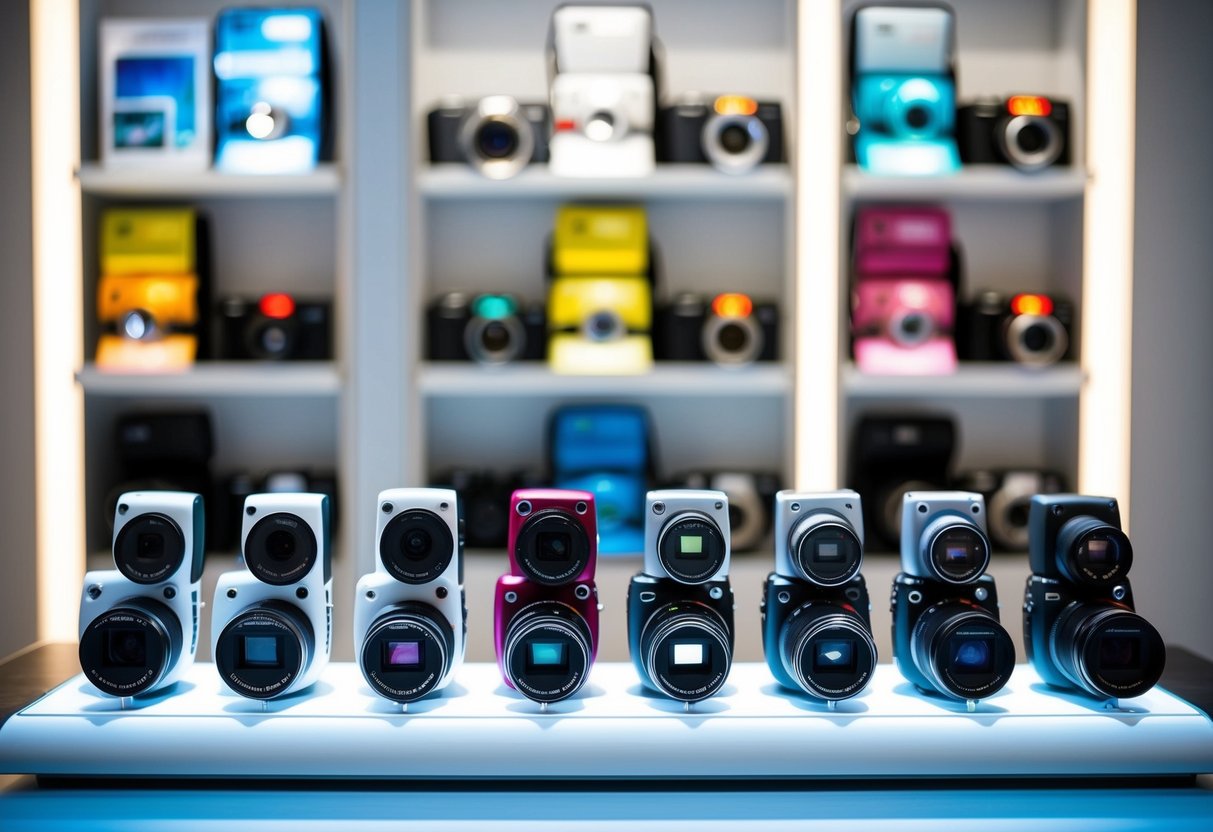
Point-and-shoot cameras have come a long way with impressive tech upgrades. These improvements make taking great photos easier than ever.
Understanding Touchscreens and Electronic Viewfinders
Many modern point-and-shoot cameras now feature touchscreens for easier control. You can tap to focus or swipe through menus, just like on your smartphone. This makes adjusting settings quick and simple.
Electronic viewfinders (EVFs) are another big upgrade. Unlike optical viewfinders, EVFs show you exactly what the camera sensor sees. This helps you frame shots more accurately and see how changes in settings will affect your photo before you take it.
EVFs work well in bright sunlight when it’s hard to see the main screen. They also use less battery power than always using the main display.
Connectivity Features: Wi-Fi and Bluetooth
Wi-Fi and Bluetooth in point-and-shoot cameras let you easily share photos. You can send pictures straight to your phone or tablet for quick editing and posting on social media.
Some cameras even let you control them remotely with your phone. This is great for group shots or when you want to avoid camera shake.
Wi-Fi also allows for automatic backups to your computer or cloud storage. This keeps your photos safe and frees up space on your camera’s memory card.
Bluetooth uses less power than Wi-Fi, so it’s good for maintaining a constant connection to your phone. This makes sharing photos even faster.
Shooting Experience
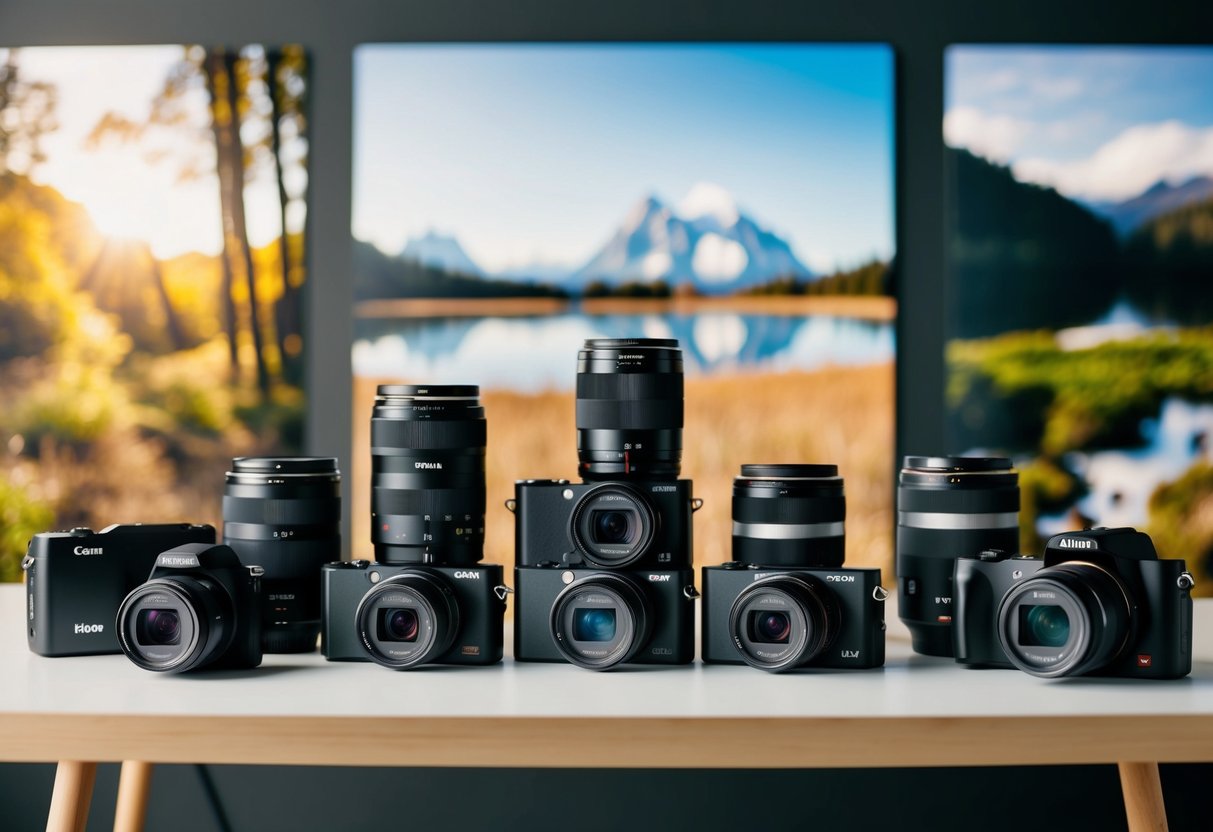
Point-and-shoot cameras offer a user-friendly shooting experience with intuitive controls and creative options. These compact devices balance simplicity and functionality to help you capture great photos easily.
Navigating Menus and Custom Settings
Most point-and-shoot cameras have straightforward menus that are easy to use. You’ll find common settings like image quality, white balance, and ISO readily accessible.
Many models let you customize buttons for quick access to your most-used features. This saves time and helps you adjust settings fast when shooting.
Look for cameras with touchscreens for even easier navigation. You can tap to focus or change settings, just like on your smartphone.
Some advanced models offer more in-depth custom options. These let you fine-tune the camera’s performance to match your shooting style.
Variety of Shooting Modes and Creative Options
Point-and-shoot cameras come with several shooting modes to fit different scenes. Auto mode handles all settings for you, making it perfect for beginners.
For more control, try these modes:
- Aperture Priority: You set the aperture, camera chooses shutter speed
- Shutter Priority: You pick shutter speed, camera selects aperture
- Manual: You control both aperture and shutter speed
Many cameras offer creative modes like panorama, HDR, and various scene presets. These help you capture unique shots without complex editing.
Some models include built-in filters and effects. These let you add artistic touches to your photos right in the camera.
Advanced point-and-shoots may offer features like burst shooting and 4K video. These expand your creative options for action shots and high-quality video recording.
Specialty Cameras for Different Needs
Point-and-shoot cameras come in various types to suit specific photography needs. These specialized models offer features tailored to different styles and situations.
Vlogging-Friendly Options
Vlogging cameras are designed with content creators in mind. They often have flip-up screens so you can see yourself while recording. Many models offer 4K video and good audio quality.
Key features to look for:
- Flip screen
- Wide-angle lens
- Image stabilization
- External microphone input
The Sony RX100 VII is a top choice for vloggers. It has a compact body but packs powerful features. You get 4K video, fast autofocus, and a mic input.
Rugged Cameras for Adventure Photography
If you love outdoor activities, a waterproof camera is a must. These tough models can handle drops, dust, and deep water.
What to expect:
- Waterproof (usually to 50 feet or more)
- Shockproof
- Freezeproof
- Built-in GPS
The Olympus Tough TG-6 is popular among adventurers. It’s waterproof to 50 feet and can survive drops from 7 feet. The macro mode is great for underwater close-ups.
Contemporary Instant Cameras
Instant cameras have made a comeback. These fun devices print photos right after you take them.
Modern features include:
- Digital screens
- Multiple exposure modes
- Smartphone connectivity
- Rechargeable batteries
The Fujifilm Instax Mini 11 is a user-friendly option. It’s affordable and easy to use. The auto-exposure feature helps you get good shots in various lighting conditions.
Some models, like the Polaroid Now+, even let you control settings via a smartphone app. This gives you more creative control over your instant photos.
Choosing the Best Camera for You
Picking the right point-and-shoot camera depends on your needs and budget. Think about what features matter most to you and how you plan to use the camera.
Balancing Cost and Functionality
Point-and-shoot cameras come in a wide price range. Cheaper models often have fewer features but can still take good photos. More expensive ones offer better image quality and more control.
Budget cameras may have:
- Smaller image sensors
- Less zoom range
- Fewer manual controls
Higher-end models typically include:
- Larger sensors for better low-light performance
- Longer zoom ranges
- More advanced autofocus systems
Consider how much you’re willing to spend. A budget point-and-shoot camera around $200-$300 can be great for casual use. If you want more features, expect to pay $500 or more.
Considering Camera Size and Feature Set
Think about how you’ll use your camera. Do you need something that fits in a pocket? Or are you okay with a larger camera that offers more features?
Compact models:
- Easily fit in a pocket or small bag
- Often have fewer controls
- May have limited zoom range
Larger point-and-shoots:
- Offer better grip and handling
- Usually have more physical controls
- Often include longer zoom lenses
Look for features that match your needs. If you take lots of low-light photos, prioritize a larger sensor and fast lens. For action shots, focus on burst shooting speed and autofocus performance.
Assessing Future-Proofing and Upgrade Paths
Consider how long you want to keep your camera. Some models offer more room for growth as your skills improve.
Features to look for:
- Manual exposure controls
- Raw image capture
- Hot shoe for external flash
- 4K video recording
These options let you do more as you learn. They can also help your camera stay useful for longer.
Think about connectivity too. Wi-Fi and Bluetooth make it easy to share photos. Some cameras even let you add new features through firmware updates.
Remember, the best point-and-shoot camera is one that fits your needs and budget while giving you room to grow. Take your time to compare options and find the right balance for you.
Care and Maintenance
Taking good care of your point-and-shoot camera is key to keeping it working well. Regular maintenance helps your camera last longer and take better photos.
Protecting Your Compact Camera
Keep your camera safe by using a protective case when you’re not using it. This guards against scratches and dust. Clean the lens gently with a soft cloth or brush made for cameras. Avoid touching the lens with your fingers.
If your camera gets wet, dry it off right away with a soft cloth. For beach trips, use a waterproof case to keep out sand and salt water. These can damage your camera.
Store your camera in a cool, dry place when you’re not using it. Extreme heat or cold can harm the battery and other parts.
Maintaining Battery Life and Storage
To make your battery last, turn off your camera when you’re not using it. Take out the battery if you won’t use the camera for a long time. This stops the battery from slowly draining.
Charge your battery fully before a big photo day. It’s smart to have a spare battery for longer trips.
For storage, use a high-quality memory card. Format it in your camera, not on your computer. This helps prevent errors. Back up your photos often to your computer or cloud storage.
Keep your camera’s software up to date. Check the maker’s website for new updates. These can fix bugs and add new features to your compact camera.
Frequently Asked Questions
Point-and-shoot cameras offer unique benefits for different types of photographers. They blend portability with quality and ease of use. Let’s explore some common questions about these compact devices.
What are the best point-and-shoot cameras for travel purposes?
For travel, you want a camera that’s light and versatile. The Sony RX100 VII is a top choice. It’s small but packs a powerful zoom and great image quality.
The Canon PowerShot SX740 HS is another good option. It has a long zoom range, perfect for capturing distant subjects on your trips.
How do professional photographers benefit from using point-and-shoot cameras?
Pro photographers often use point-and-shoots as backup cameras. They’re great for quick shots or when carrying big gear isn’t practical.
These cameras are also useful for scouting locations. Their small size lets pros explore and plan shoots without lugging heavy equipment.
Are there still advantages to using point-and-shoot cameras over smartphone cameras?
Yes, point-and-shoots still have some edges over smartphones. They usually have better zoom capabilities and larger image sensors.
Many point-and-shoots also offer more manual controls. This gives you more creative freedom than most smartphone cameras allow.
What are the main disadvantages of compact point-and-shoot cameras?
The main drawback is image quality compared to larger cameras. Point-and-shoots have smaller sensors, which can limit performance in low light.
They also tend to have less manual control than DSLRs or mirrorless cameras. This can be frustrating for more experienced photographers.
Why might some compact cameras be frequently out of stock?
Popular models often sell out due to high demand. Supply chain issues can also affect stock levels.
Limited production runs for high-end compact cameras can make them hard to find. This is especially true for newer or highly anticipated models.
Which point-and-shoot camera models are considered the best for 2024?
The Fujifilm X100VI is highly rated for its image quality and retro design. It’s a top pick for street photography.
For versatility, the Sony RX100 VII remains a favorite. It offers excellent video capabilities alongside its strong photo performance.
The Canon PowerShot G7 X Mark III is another standout. It’s great for vloggers and content creators who need good video features.


