

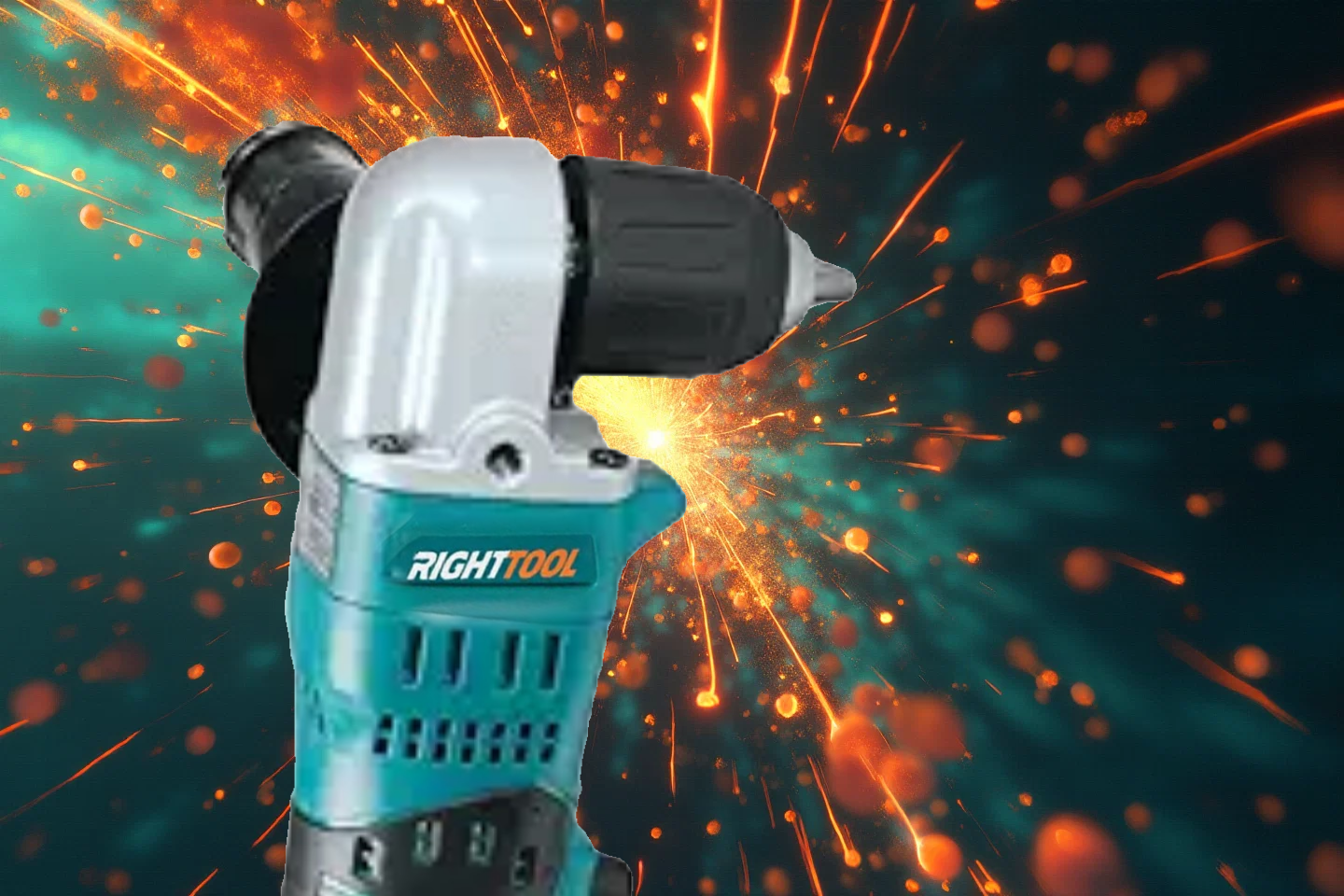
Essential Tool for Tight Space Efficiency
Right angle drills are handy tools for DIY enthusiasts and professionals alike. These drills can reach tight spots that regular drills can’t, making them perfect for working in cramped spaces. A right angle drill has a head that’s bent at 90 degrees, allowing you to drill holes in corners and other hard-to-reach areas.

You’ll find different types of right angle drills on the market. Some are corded for constant power, while others are cordless for better mobility. Brands like DeWALT and Makita offer popular models with various features to suit your needs.
When picking a right angle drill, think about what you’ll use it for. If you’re doing light work around the house, a basic model might be enough. For tougher jobs, you might want a more powerful drill with extra features like variable speed control or a quick-change chuck.
Key Takeaways
- Right angle drills let you work in tight spaces regular drills can’t reach
- You can choose between corded and cordless models based on your needs
- Consider the power and features you need for your specific projects
What is a Right Angle Drill?
A right angle drill is a compact power tool designed to fit into tight spaces. Its unique 90-degree head allows you to drill in areas where a standard drill can’t reach.
Design and Form Factor
Right angle drills have a distinct L-shaped design. The motor sits perpendicular to the chuck, creating a 90-degree angle. This shape lets you work in confined spaces like between wall studs or inside cabinets.
The tool’s body is usually shorter and more compact than a regular drill. Many models have a pistol-grip handle for better control. The chuck size can vary, but 3/8-inch is common for most DIY tasks.
Some right angle drills offer adjustable heads. This feature lets you change the angle for even more flexibility in tight spots.
Applications in Tight Spaces
Right angle drills excel in cramped areas where standard drills don’t fit. You’ll find them useful for:
- Plumbing work under sinks
- Installing electrical boxes between studs
- Drilling pilot holes in tight corners
- Working on car engines or other machinery
These tools are great for home renovations and repairs in confined spaces. They can drill holes, drive screws, and even mix paint with the right attachments.
For professional use, right angle drills are essential in construction, automotive repair, and HVAC installation. Their compact size and power make them ideal for tasks in hard-to-reach areas.
Types of Right Angle Drills
Right angle drills come in different types to suit various needs. You’ll find options that offer power, convenience, and advanced features for your drilling tasks.
Corded vs Cordless
Corded right angle drills plug into an outlet for constant power. They’re great for long jobs where you don’t want to worry about battery life. These drills often have more power for heavy-duty tasks.
Cordless models use lithium-ion batteries. They give you freedom to move without cords. You can take them anywhere, even where there’s no power source. Cordless drills are lighter and easier to use in tight spaces.
When choosing, think about your needs. Do you need to work far from outlets? Go cordless. Need non-stop power for big jobs? Pick corded.
Brushless Motors
Brushless motors are a newer technology in right angle drills. They offer several benefits over traditional brushed motors.
These motors are more efficient. They use less power, which means longer battery life for cordless models. Brushless drills also have more power and torque for their size.
Brushless motors last longer because they have fewer parts that wear out. They run cooler and quieter too. This makes them more comfortable to use for long periods.
You’ll find brushless motors in both corded and cordless right angle drills. They cost more upfront but can save you money over time with their durability and efficiency.
Key Features to Consider

When shopping for a right angle drill, pay attention to these important features. They affect the tool’s performance, ease of use, and suitability for different tasks.
Battery Life and Performance
Right angle drills come in corded and cordless models. Cordless drills offer more freedom of movement. They rely on batteries, usually lithium-ion.
Look for drills with long-lasting batteries. A good battery should provide at least an hour of continuous use. Some high-end models offer up to 4 hours of runtime.
Check the voltage rating. Higher voltage often means more power. Common options are 12V, 18V, and 20V.
Many brands offer interchangeable batteries. This lets you use the same battery across different tools.
Chuck Size and Type
The chuck is the part that holds the drill bit. It’s a key feature of any right angle drill.
Chuck sizes typically range from 1/4 inch to 1/2 inch. Larger chucks can hold bigger bits for tougher jobs.
Keyless chucks are popular. They allow quick bit changes without extra tools. Some models have a hex chuck for easy bit swapping.
Consider a drill with a metal chuck. It’s more durable than plastic ones.
Speed Settings and Control
Variable speed control is crucial for right angle drills. It lets you adjust the drill’s speed for different materials.
Look for drills with a wide speed range. A good range might be 0-1500 RPM.
Two-speed gearboxes are common. They offer a low speed for high torque and a high speed for faster drilling.
Some models have a trigger lock. This maintains a constant speed without holding the trigger.
Ergonomic and Lightweight Design
Right angle drills are used in tight spaces. A lightweight design is important for comfort and control.
Look for drills weighing less than 4 pounds. This reduces arm fatigue during long jobs.
Check the grip design. A rubberized, textured grip provides better control and comfort.
Some models have angled handles. These can improve your reach in tight spots.
LED lights are a helpful feature. They illuminate dark work areas, improving accuracy.
Popular Brands and Products

Right angle drills come in various models from top manufacturers. These tools offer unique features and capabilities to suit different needs and budgets.
DeWalt’s Offerings
DeWalt produces high-quality right angle drills for professionals and DIY enthusiasts. Their 20V MAX Right Angle Drill stands out for its power and versatility. This cordless model allows you to work freely without being tethered to a power outlet.
Key features include:
- 360-degree side handle for better control
- LED light for improved visibility in dark spaces
- Compact design for tight spots
You’ll find this drill useful for various tasks, from cabinet installation to framing work.
Makita’s Innovations
Makita is known for its innovative power tools, and their right angle drills are no exception. The Makita DA3010F is a popular corded option that combines power and compactness.
This model offers:
- 4.0 AMP motor for tough jobs
- Variable speed control (0-2,400 RPM)
- Built-in LED light for better visibility
Weighing less than 3.5 lbs, you’ll find it easy to maneuver in confined spaces. Its paddle switch design allows for comfortable operation during extended use.
Budget-Friendly Options
If you’re looking for a more affordable right angle drill, several brands offer budget-friendly options without sacrificing quality. These tools are ideal for occasional use or light-duty tasks.
Some cost-effective choices include:
- Black+Decker models: Known for their affordability and reliability
- Ryobi right angle drills: Offer good value for money
- Harbor Freight brands: Provide basic functionality at lower prices
When choosing a budget option, consider factors like power output, battery life (for cordless models), and warranty coverage. While these may not have all the features of premium brands, they can still handle most household drilling tasks effectively.
Usage Tips and Techniques
Right angle drills require specific techniques to use effectively. Proper handling leads to better results and safer operation.
Achieving Precision and Accuracy
To get precise holes with a right angle drill, start slow. Choose the right speed setting for your material. Slowly engage the drill and increase speed as needed. Let the drill do most of the work.
Mark your drilling spot clearly. Use a punch to create a starter dimple if needed. This stops the bit from wandering.
For straight holes, use a level or guide. Clamp a block of wood next to your workpiece as a guide. This helps keep the drill at 90 degrees.
In tight spaces, take your time. Go slow and steady. Check your angle often to stay on track.
Safety Precautions
Safety comes first when using a right angle drill. Always wear safety glasses to protect your eyes from debris. Use ear protection in noisy settings.
Secure your workpiece firmly. Use clamps or a vise to prevent movement. This stops accidents and improves accuracy.
Keep your hands away from moving parts. The drill can catch loose clothing or long hair. Tuck in shirts and tie back long hair.
Unplug the drill before changing bits or making adjustments. This prevents accidental starts.
Maintenance and Storage
Clean your right angle drill after each use. Wipe off dust and debris with a cloth. Use compressed air to clear vents and moving parts.
Oil moving parts regularly. Check your manual for the right type of oil. This keeps the drill running smoothly.
Store the drill in a dry place. Moisture can cause rust and damage electrical parts. Use the case it came in or a toolbox.
Check the power cord for damage before each use. Replace frayed or cut cords right away. This prevents electrical hazards.
Sharpen or replace dull bits. Dull bits make the drill work harder and can cause accidents.
Applications Across Industries
Right angle drills are versatile tools used in many trades. They excel at drilling in tight spaces where regular drills can’t fit. Their compact design makes them invaluable for professionals working in cramped conditions.
Plumbing and Electrical Work
Plumbers and electricians often work in confined spaces. Right angle drills are indispensable for these trades. You can use them to drill holes for pipes and wires in hard-to-reach areas.
In plumbing, you’ll find these drills helpful when:
- Installing fixtures in tight corners
- Drilling through floor joists for pipe runs
- Working under sinks or behind toilets
For electrical work, right angle drills shine when:
- Running wires through wall studs
- Installing outlet boxes in tight spots
- Drilling holes for conduit in cramped electrical panels
The compact size lets you work efficiently in small spaces. This saves time and reduces strain on your body.
Construction and Remodeling
In construction and remodeling, right angle drills prove their worth daily. You’ll find them useful for various tasks in tight spots.
Key uses include:
- Drilling pilot holes for screws in corners
- Installing cabinets in kitchens and bathrooms
- Placing fasteners in narrow wall cavities
During remodels, these drills help when:
- Retrofitting old houses with new wiring or plumbing
- Adding support beams in crawl spaces
- Installing new fixtures in existing bathrooms
The drill’s compact design lets you work in confined areas without removing walls or ceilings. This saves time and money on your projects.
Carpentry and Woodworking
Carpenters and woodworkers value right angle drills for their precision in tight spaces. You’ll find them handy for detailed work on furniture and cabinetry.
Common applications include:
- Drilling holes for drawer pulls and knobs
- Creating pilot holes in tight corners of furniture
- Installing hinges in hard-to-reach cabinet areas
These drills excel at:
- Making mortises for door hinges
- Drilling angled holes for dowel joints
- Creating pilot holes for screws in tight furniture joints
The drill’s small size lets you work accurately in confined spaces. This improves the quality and appearance of your woodworking projects.
Accessories and Enhancements
Right angle drills become even more versatile with the right add-ons. These accessories boost functionality and make your work easier in tight spaces.
Drill Bits and Extensions
You’ll need the right drill bits to tackle various jobs. For right angle drills, compact hex bits are ideal. They fit easily into tight spaces and come in different sizes for wood, metal, or masonry.
Extensions are crucial for reaching deep into corners. Look for flexible extensions that can bend around obstacles. Some models offer quick-release chucks for fast bit changes.
Consider getting a set with multiple bits and extensions. This gives you options for different tasks without constantly switching tools.
Carrying Cases and Holsters
Protect your right angle drill with a sturdy carrying case. Hard plastic cases shield against drops and impacts. Soft cases are lighter but still offer decent protection.
Holsters let you keep your drill at hand while working. Belt-mounted holsters free up your hands when climbing ladders or moving materials. Some holsters have extra pockets for bits and small parts.
Choose a case or holster that fits your specific drill model. This ensures a snug fit and proper protection.
Additional Lighting and Visibility
Good lighting is key when working in dark corners. Many right angle drills come with built-in LED lights. If yours doesn’t, you can add a clip-on light.
Attachable LED lights illuminate your work area without casting shadows. Some rotate to adjust the beam angle.
For even more visibility, consider a headlamp. This keeps your hands free while providing consistent light wherever you look.
Reflective tape on your drill’s body can help you spot it in low-light conditions. This is especially useful if you set the tool down in a dimly lit area.
Technological Advancements
Right angle drills have seen major improvements in recent years. New technologies have made these tools more powerful, efficient, and user-friendly.
Innovative Battery Technology
The 18V LXT battery platform has revolutionized cordless right angle drills. This lithium-ion technology provides longer run times and more power than older nickel-cadmium batteries.
You’ll notice the difference when working on tough jobs. The 18V LXT batteries can drill hundreds of holes on a single charge.
These batteries also charge faster. You can often get an 80% charge in just 30 minutes. This means less downtime on the job site.
Some models now feature built-in fuel gauges. You can easily check the remaining battery life at a glance.
Smart Controls and Features
Modern right angle drills come with advanced controls for better performance. Many now include brushless motors, which are more efficient and longer-lasting than traditional brushed motors.
You’ll find models with variable speed triggers. This gives you precise control over drilling speed. It’s especially useful when working with different materials.
Some drills now have electronic clutches. These prevent over-tightening and protect both the tool and the workpiece.
LED work lights are another common feature. They illuminate your work area, making it easier to drill accurately in tight spaces.
Star Protection Computer Controls are found in some high-end models. This technology monitors the drill’s temperature and power draw. It can shut off the tool to prevent overheating or battery damage.
Choosing the Right Angle Drill for Your Needs
When picking a right angle drill, consider your specific tasks. These tools come in different sizes and power levels to suit various jobs.
For versatility, look at models with adjustable speeds and multiple attachments. This lets you tackle different materials and tasks easily.
Maneuverability is key in tight spaces. Check the drill’s head size and overall length. Smaller dimensions mean better access in cramped areas.
For precision work, choose a drill with good balance and a comfortable grip. This helps you control the tool accurately.
Durability matters for long-term use. Look for drills with robust construction and quality materials. Metal gearing often lasts longer than plastic.
Consider whether you need a corded or cordless model. Corded drills offer constant power, while cordless ones give you more freedom of movement.
Pay attention to the chuck size. A larger chuck allows for bigger drill bits, which can be useful for some jobs.
Don’t forget about weight. Lighter drills reduce arm fatigue during extended use, especially when working overhead.
Finally, think about your budget. While pricier models often offer more features, there are quality options at various price points to fit your needs.
Support and Customer Service
When you buy a right angle drill, you’ll want to know about the support options available. Top brands offer warranties and various ways to get help if issues come up.
Warranty and Repairs
Most right angle drills come with a warranty. This covers defects in materials and workmanship. Warranty periods can range from 1 to 5 years, depending on the brand.
If your drill needs repairs, you have options. Many companies have authorized service centers across the country. These centers can fix your tool quickly.
Some brands also offer factory service. This means you can send your drill directly to the manufacturer for repairs.
Keep your receipt and register your product online. This makes warranty claims easier if needed.
Customer Support Channels
You can get help with your right angle drill in several ways. Many brands offer phone support. You can call to ask questions or get troubleshooting help.
Email support is also common. You can send detailed questions and get written answers.
Some companies have online chat on their websites. This lets you get quick answers during business hours.
Self-service options are growing. Many brands have online manuals, FAQs, and how-to videos. These can help you solve problems on your own.
Social media is another way to reach out. Some companies respond to questions on platforms like Twitter or Facebook.
Frequently Asked Questions
Right angle drills have unique features and capabilities. Let’s explore some common questions about these tools.
What are the benefits of using a cordless right angle drill compared to a corded one?
Cordless right angle drills offer greater mobility and flexibility. You can use them anywhere without worrying about power outlets or cord length.
They’re ideal for tight spaces where cords might get tangled. Cordless models are often lighter, making them easier to handle in awkward positions.
How does a right angle drill attachment enhance drilling capabilities?
A right angle drill attachment expands your regular drill’s versatility. It allows you to drill in tight spots where a standard drill won’t fit.
This attachment is perfect for working between joists, inside cabinets, or in other confined areas. It turns your existing drill into a multi-functional tool.
In what situations would a 1/2 inch chuck size be significant for right angle drills?
A 1/2 inch chuck size is important for heavy-duty tasks. It can hold larger drill bits and handle more torque.
This chuck size is useful when you need to drill through thick materials or use hole saws. It’s often preferred for construction or professional-grade work.
Are there specific features to look for in a right angle drill for electricians?
Electricians benefit from right angle drills with slim profiles and long necks. These features help reach tight spots in electrical boxes and between studs.
Look for models with LED lights to illuminate dark work areas. Variable speed settings are also crucial for precision work.
What distinguishes a Milwaukee right angle drill from those offered by Makita or DEWALT?
Milwaukee right angle drills are known for their durability and power. They often feature compact designs for tight spaces.
Makita and DEWALT also offer high-quality options. Each brand has unique features, so compare specifications to find the best fit for your needs.
How does a RIDGID right angle drill compare in terms of durability and performance?
RIDGID right angle drills are built for durability. They often come with lifetime warranties, showing confidence in their build quality.
Performance-wise, RIDGID drills typically offer good power and battery life. Compare specific models to other brands to ensure they meet your requirements.
Disclaimer
As an Amazon Associate, I earn from qualifying purchases. This means that if you click on an Amazon link and make a purchase, I may receive a small commission at no additional cost to you. Your support helps me continue creating valuable content and sharing my knowledge with you. I appreciate your trust and strive to provide helpful information to assist you in making informed decisions.


